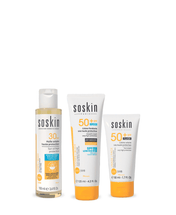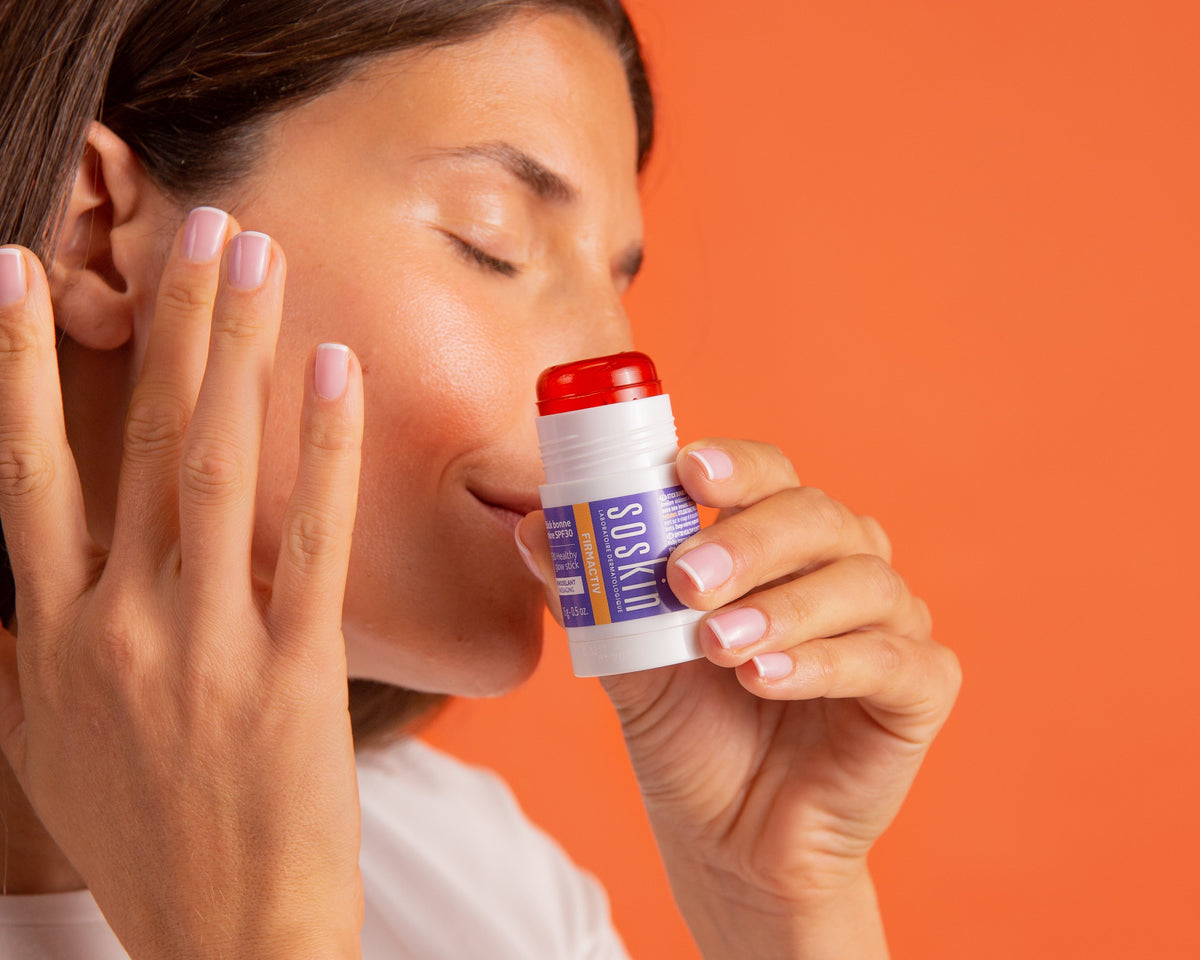


This question concerns us more since each year in France, between 140,000 and 240,000 new cases of skin cancer are detected. This alarming figure doubles almost every ten years.
Turns out, the answer isn't as simple as social media influencers suggest. According to Santé Publique France, UV indices lower than 3 do not require the use of sunscreen. However, an Australian study shows that daily application of sunscreen slows down skin aging. Furthermore, it is important to note that the quantity of ultraviolet rays to which we are occasionally exposed represents 80% of our total exposure to solar radiation.
In this article, we will explore together the different aspects of this question, in particular the situations where sun protection becomes essential, such as in the mountains where the UV intensity is 30% higher compared to the beach, or when snow causes an increase in UV reflection by up to 80%. We will also see if the trend of wearing daily sunscreen is justified or just a marketing strategy.
The daily sunscreen trend
Daily sun protection has become a real phenomenon in recent years. This practice, once reserved for beach days, is now considered an essential beauty gesture by many dermatologists.
Why this habit became popular
An American study showed that with daily protection, even at a low index (SPF 5) started in childhood, cumulative exposure to UV rays is reduced by 65% over a lifetime. In fact, skin health and beauty are now seen as indicators of overall health, which has led to a growing demand for anti-aging products.
Scientific research has consistently proven that regular use of sunscreen reduces the incidence of skin cancer and slows the signs of aging. An Australian clinical trial notably revealed that daily use of sunscreen reduced the incidence of melanoma by 50%, while a Norwegian study found that protection of at least SPF 15 reduced this risk by 30%.
Do you really need to wear sunscreen every day?
To determine whether daily sunscreen application is necessary, it is essential to understand the different types of ultraviolet rays and their impact on our skin.
Difference between UVA and UVB
UVA rays account for about 95% of ultraviolet rays reaching Earth. Unlike UVB, they penetrate deeper into the skin, down to the dermis layer, and can penetrate clouds and even windows. These silent rays are responsible for premature aging and contribute significantly to the development of skin cancers.
UVB, for their part, represents only 5% of UV rays. They penetrate less deeply, mainly reaching the epidermis, but are directly responsible for sunburn. Their intensity varies more depending on the season, time and geographic location, being strongest between 10 a.m. and 2 p.m.

When the UV index justifies protection
The UV index is a valuable indicator for determining when sun protection becomes necessary. According to international recommendations:
- UV index 1-2: Protection not necessary
- UV index 3-7: Recommended protection (SPF 15+ cream and protective clothing)
- UV index 8+: Essential and reinforced protection
In fact, once the UV index reaches 3, your skin can suffer damage in just 30 minutes, even without blushing. This rule particularly applies between 11 a.m. and 3 p.m., when the sun is at its highest.
Special cases: skiing, mountain, outdoor work
Certain situations require increased vigilance. In the mountains, UV intensity increases by approximately 10% for every 300 meters of altitude. Thus, at 2000 meters altitude, UV exposure can be up to 20% higher than at sea level, even on cloudy days.
Even more worrying, snow reflects up to 80% of UV rays, creating a double exposure: once by direct rays, another by reflection. This is why SPF 50+ is highly recommended for winter sports.
For outdoor workers, the situation is just as critical. They typically receive 5 to 10 times more UV exposure per year than indoor workers. This cumulative exposure damages the skin's DNA, significantly increasing the risk of skin cancer.
Potential dangers of daily use
Although touted as an essential anti-aging routine, daily sunscreen application raises several medical concerns to consider.
Sunscreen every day: danger for the skin?
Excessive use of sunscreen can disrupt the natural skin barrier and change the skin's microbiome. Ultimately, this can cause increased sensitivity and reduce the skin's natural protection against environmental agents. This phenomenon is particularly observed in people with sensitive or acne-prone skin.
Endocrine disruptors and chemical filters
Certain chemical filters such as oxybenzone and octinoxate are suspected of being endocrine disruptors. These substances can mimic, block, or interfere with the body's natural hormones. Studies show that oxybenzone can affect the production of sex and thyroid hormones. This is why I recommend favoring mineral filters (zinc, titanium) for daily use.
Impact on vitamin D synthesis
Overprotection from the sun can lead to deficiencies in vitamin D, essential for calcium absorption and bone health. In fact, 15 minutes of unprotected sun exposure a few times a week is usually enough to maintain adequate vitamin D levels.
Sunscreens vs. Cosmetics with SPF
Unlike dedicated sunscreens, cosmetics with SPF (such as day creams or makeup) are not applied in the same quantities nor reapplied during the day. However, they can create confusion about their actual level of protection. In France, ANSES also recommends that these “secondary” products cannot display SPF on their label.
Conclusion
The question of daily application of sunscreen therefore deserves a nuanced answer. The UV index remains the determining factor in deciding whether protection is necessary. So, when this index exceeds 3, sunscreen becomes essential to protect our skin from cumulative damage.
We have also seen that UVA, present all year round and capable of passing through windows, contributes significantly to skin aging. However, routine daily application raises legitimate questions regarding potential endocrine disruptors and vitamin D synthesis.
The current trend, amplified by social networks and marketing promises, has certainly raised public awareness of the importance of sun protection. However, it is important to remain vigilant regarding commercial claims and lack of clarity in product labeling.
For people working outdoors or engaging in activities at altitude, daily sun protection is undoubtedly justified. On the other hand, for those who spend the majority of their time indoors, a more measured approach seems reasonable, particularly during winter months or days with a low UV index.
Ultimately, the best strategy is to adapt your protection according to your actual exposure and the day's UV index. Mineral filters generally offer a safer alternative for regular use. Beyond sunscreen, let's not forget that protective clothing, sunglasses and seeking shade are essential additions to our protective arsenal.
Daily sunscreen is certainly not a superfluous gesture, but it must be part of a reasoned approach to sun protection, adapted to our lifestyle and environmental conditions.