

Black armpits represent a problem encountered by a large number of women with black, dark or mixed skin, and often constitute a source of real complexes. The most common cause is often the hair removal method chosen, in particular frequent shaving, or the use of care products with the wrong formula. Additionally, tight clothing aggravates skin friction, while the resulting mechanical or chemical irritation causes a rise in melanin and thickening of the epidermis. In this article, I explain to you why armpits turn black, how to treat black armpits effectively, and above all how to get rid of black armpits permanently thanks to suitable solutions and simple preventive actions.
Why armpits turn black: understanding the phenomenon
The role of melanin in pigmentation: Underarm hyperpigmentation results from an overproduction of melanin, the natural pigment that determines the color of our skin. When the skin is attacked, specialized cells called melanocytes increase their production of melanin as a defense mechanism. Dark-skinned people are more likely to develop black underarms because they naturally produce more melanin. This excess buildup causes the underarms to appear gray to dark brown, creating a stark contrast to the surrounding skin.
Skin irritations and inflammations: Post-inflammatory hyperpigmentation is the main mechanism behind darkening of the underarms. Each irritation triggers an inflammatory reaction which stimulates the production of melanin. Sensitive skin retains darker pigmentation even after the initial irritation has healed. Sweating aggravates this process: sweat contains salts and promotes bacterial proliferation which irritates delicate skin. Constant humidity combined with friction weakens the skin barrier and makes the skin more vulnerable to irritation.

Acanthosis nigricans causes hyperpigmentation focal and a velvety patch, most often in the armpits and back of the neck. This condition manifests itself as thickened, rough, dark patches that are gray to black in color. Acanthosis nigricans is most commonly associated with obesity, diabetes, and insulin resistance.
Hormonal changes and their effects: Female hormones play a determining role in skin pigmentation by stimulating the production of melanin. Estrogen and progesterone activate melanocytes. Hormonal fluctuations during pregnancy, menopause and menstrual cycles cause significant variations. Taking hormonal contraceptives can amplify these effects. Insulin can interfere in the process of melanogenesis. Polycystic ovary syndrome is another disorder related to darkening of the armpits.
Genetic factors and predispositions: Some people have a genetic predisposition to develop more marked hyperpigmentation. Dark phototypes are particularly affected by this natural trend. In the familial form of acanthosis nigricans, transmission is called autosomal dominant.
Common mistakes that make the problem worse: Beyond natural factors, certain daily habits considerably aggravate the darkening of the armpits. Identifying these errors helps stop their progression.
Frequent shaving and its consequences: Shaving irritates the delicate skin of the armpits and creates micro-cuts which stimulate melanin production. Each pass of the blade further weakens the epidermis, triggering inflammation which permanently darkens this area. This method only cuts the hair on the surface and must be repeated frequently, thus increasing skin damage. The electric epilator also causes irritation if used too frequently or aggressively. Micro-lesions give rise to post-inflammatory hyperpigmentations, coloring the skin red, pink or brown.
Unsuitable cosmetic products: Deodorants and antiperspirants contain irritating ingredients that cause progressive hyperpigmentation. Alcohol, when it appears among the first four ingredients on the INCI list, represents a real aggressor for this fragile area. Synthetic perfumes, aluminum and certain chemical preservatives are substances to watch carefully. Applied daily to skin sensitized by hair removal, these components amplify the phenomenon of pigmentation.
Lack of exfoliation: Excess dead cells often explain the dark appearance of the armpits. These pigment-laden cells accumulate on the surface and create a dull, dark appearance that hides the skin's natural tone. Gentle exfoliation carried out once or twice a week helps remove these dead cells and promote cell renewal.
Clothes that are too tight: Permanent contact with clothing that is too tight causes chronic irritation which promotes hyperpigmentation. Synthetic fabrics retain moisture and create an environment conducive to maceration. These repeated mechanical pressures gradually thicken the epidermis and cause an accumulation of dead cells loaded with melanin.
How to get rid of black underarms effectively
Reducing underarm pigmentation requires a global approach that combines targeted care and appropriate preventive actions. Several natural solutions allow you to gradually lighten this sensitive area.
Establish a suitable care routine: In the morning, gently clean your armpits with a mild pH-neutral soap or a soap-free cleansing gel to remove impurities and dead cells that dull this area. Pat dry with a soft towel, without rubbing. Then apply your natural deodorant without alcohol or aluminum.
Evening is the ideal time to apply your lightening treatments and repairers. Clean skin absorbs active ingredients better and the night offers several hours of penetration without external disturbance. Systematically moisturize your armpits with a moisturizer, light oil or aloe vera gel, as this area often experiences dehydration which accentuates its darkening.
Our Meladerm® routine to lastingly lighten sensitive areas:

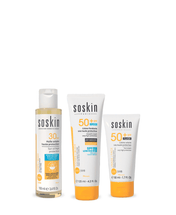
If natural solutions provide initial relief, a targeted dermo-cosmetic routine acts more lastingly on hyperpigmentation. The range Meladerm® from SOSKIN has been specially designed to even out the complexion of sensitive areas such as the armpits, elbows or groin, thanks to lightening active ingredients.
Designed specifically for friction zones, the Lightening body milk nourishes, soothes and gently lightens, without attacking skin already weakened by shaving or tight clothing. Applied every evening as part of your routine, it acts in addition to the natural actions mentioned above — generally allow between 4 and 12 weeks of regular use to observe visible reduction.
👉 Discover the Lightening Body Milk
Natural ingredients to favor: Lemon, rich in citric acid, acts as a natural whitening agent. Apply the diluted juice of half a lemon for up to 10 minutes. Turmeric has anti-inflammatory and lightening properties thanks to curcumin. Mix it with natural yogurt and leave for 15 to 20 minutes. Aloe vera gel soothes, regenerates and lightens slightly. Baking soda creates an effective exfoliating paste.
Actions to adopt on a daily basis: Favor waxing which pulls out the hair at the root and requires fewer interventions. Alternate methods to give your skin time to recover.
Maintain clear armpits over the long term
Preserving the clarity of the armpits over time relies on simple daily habits and regular attention paid to this sensitive area.
Good hygiene habits: Clean your armpits daily during the shower with a neutral pH soap or a superfatted cleanser. Avoid overly strong soaps that disrupt the natural balance of the skin microbiome. After a sports session, take a shower within 30 minutes to limit bacterial proliferation caused by stagnant sweat. Dry your underarms thoroughly by patting rather than rubbing. Wear loose-fitting clothes made from natural materials like cotton or linen that allow the skin to breathe and wick away moisture effectively. Wash your clothes with a hypoallergenic detergent without irritating fragrances or softeners.
Protection and hydration: Moisturize your underarms once or twice a week with a light, pH-balanced lotion, or more frequently if you notice dryness. Sweet almond oil or coconut oil nourish this area while gradually reducing pigmentation. Apply a sunscreen on armpits exposed to the sun to prevent any pigmentation induced by UV rays. After hair removal, avoid immediately applying products and do not rub the area vigorously.
Monitor skin reactions: Regularly monitor your skin's reaction to the products used. If you notice localized redness, persistent itching, burning or peeling skin, discontinue use. suspicious product for a few days. Test any new deodorant on the inside of your forearm before incorporating it into your routine. Consult a dermatologist if hyperpigmentation persists or worsens despite your efforts, or if it is accompanied by noticeable thickening of the skin.
Black armpits are basically the result of an overproduction of melanin caused by irritation, frequent shaving and unsuitable products. I have presented you with effective natural solutions and simple preventive actions to lighten this area sustainably. The key lies in regularity: adopt a gentle routine, prioritize daily hydration and monitor your skin's reactions. With patience and good reflexes, you will find clear armpits naturally.