

Healing of a first-degree burn generally takes less than a week, while a superficial second-degree burn requires an average of 2 to 3 weeks. Indeed, the speed of healing varies depending on the person, the skin type and the location of the lesion. Skin irritations must be treated properly to disappear quickly and without leaving a trace. In this article, we explain how to effectively treat chapped skin, wounds and minor burns. We will also discuss specific care, particularly for tattoo healing and tattoo healing time. You will discover the essential actions to adopt to promote optimal healing.
Understanding the different types of skin lesions
A skin lesion is defined as an alteration of the skin or subcutaneous tissues that can occur on different parts of the body. These lesions are classified according to their nature and severity. We distinguish three common types of benign lesions requiring appropriate care to promote healing.
Chapping: when the skin cracks: Chapped skin appears as cracks or furrows in the skin. These cracks mainly appear on dry, heavily stressed and keratinized areas. Specifically, the heels, hands and corners of the lips are the most affected areas.
The appearance of a crack is easily recognized: a deep furrow crosses the skin, creating a scaly area with redness and cracks in its center. These lesions can reach a depth of more than a centimeter and even bleed in some cases. Cold, dry skin and repeated mechanical stress cause a loss of elasticity responsible for these cracks.
Superficial wounds and abrasions: An abrasion results from violent friction with a rough surface such as asphalt, wood or concrete. It only affects the superficial layers of the skin with irregular edges and weak bleeding. The arms and legs are the parts most exposed to this type of injury.
Even if the abrasion remains superficial, it affects many nerve endings. The pain you feel can be intense and sometimes feels like a burning sensation. In fact, any skin breakage exposes you to the risk of bacterial infection.
Light 1st and 2nd degree burns: Burns destroy the skin covering following thermal, electrical, chemical or radiation attack. The severity is determined according to the depth and extent of the lesion.
The first degree burn affects the epidermis with red, dry and painful skin without blisters. Sunburn illustrates this type of superficial burn.
Conversely, a superficial second-degree burn presents with swollen, red, oozing skin covered in blisters filled with clear fluid. The lesions cause intense pain. While deep second degree is characterized by pale skin under whitish blisters, with reduced sensitivity because the nerve endings are partially affected.

The first steps to take depending on the type of injury
Reacting quickly after an injury limits complications and speeds up healing. Each type of lesion requires specific actions adapted to its nature.
Cool and clean a light burn: Cooling is the first reflex when faced with a burn. Immediately place the affected area under water at 20°C for at least 20 minutes. This rule of three times twenty (20°C, 20 cm from the tap, 20 minutes) relieves pain and limits the depth of the lesion.
In children, limit cooling to no more than 10 minutes while keeping the rest of the body warm. Never use ice or icy water which will worsen skin damage. After cooling, pat the skin dry without rubbing. Then cover with a sterile, non-adherent dressing.
Properly disinfect a wound: Wash your hands with soap and water for at least 30 seconds before any treatment. Then clean the wound under running water at room temperature or with physiological saline. This step eliminates bacteria and prevents infection.
Apply an antiseptic solution to a sterile pad, working from the center of the wound outwards. Protect with a suitable dressing. Change it daily for 2 to 3 days, then every two days if the wound remains clean without redness or oozing. Prefer showers over baths until complete healing.
Treat chapping and cracks: Chapped skin responds to the same cleaning principles as superficial wounds. Clean the cracked area gently then moisturize intensively to restore skin elasticity.
When should you consult a doctor?
Check within 6 hours if the wound is deep, long or has jagged edges. Medical advice is also required for wounds on the face, neck or near a joint. Bleeding persisting after 15 minutes of compression requires medical attention.
Contact 15 or 112 immediately if the burn exceeds 10% of the body surface in adults or 5% in children. People who are diabetic or immunocompromised should systematically consult due to the increased risk of infection. Watch for signs of infection: increasing redness, warmth, pus or fever.
Promote healing: appropriate care and products
Apply a healing cream at least twice a day to stimulate the skin repair process. This step occurs after first aid and determines the quality of your scar.
Choosing the right restorative treatment: The composition determines the effectiveness of a healing cream. Zinc prevents bacterial growth in addition to your initial disinfectant. Hyaluronic acid MOISTURISES the skin, the Protects and improves its flexibility. Sucralfate promotes cell regeneration and accelerates repair. Allantoin soothes and Repairs, especially after sunburn. Calendula MOISTURISES thanks to its antioxidant properties. Vitamin B5 (panthenol) has moisturizing, soothing and restorative properties. Gently massage the injured area when applying the product.
Our Cicaplex® range to sustainably repair damaged skin
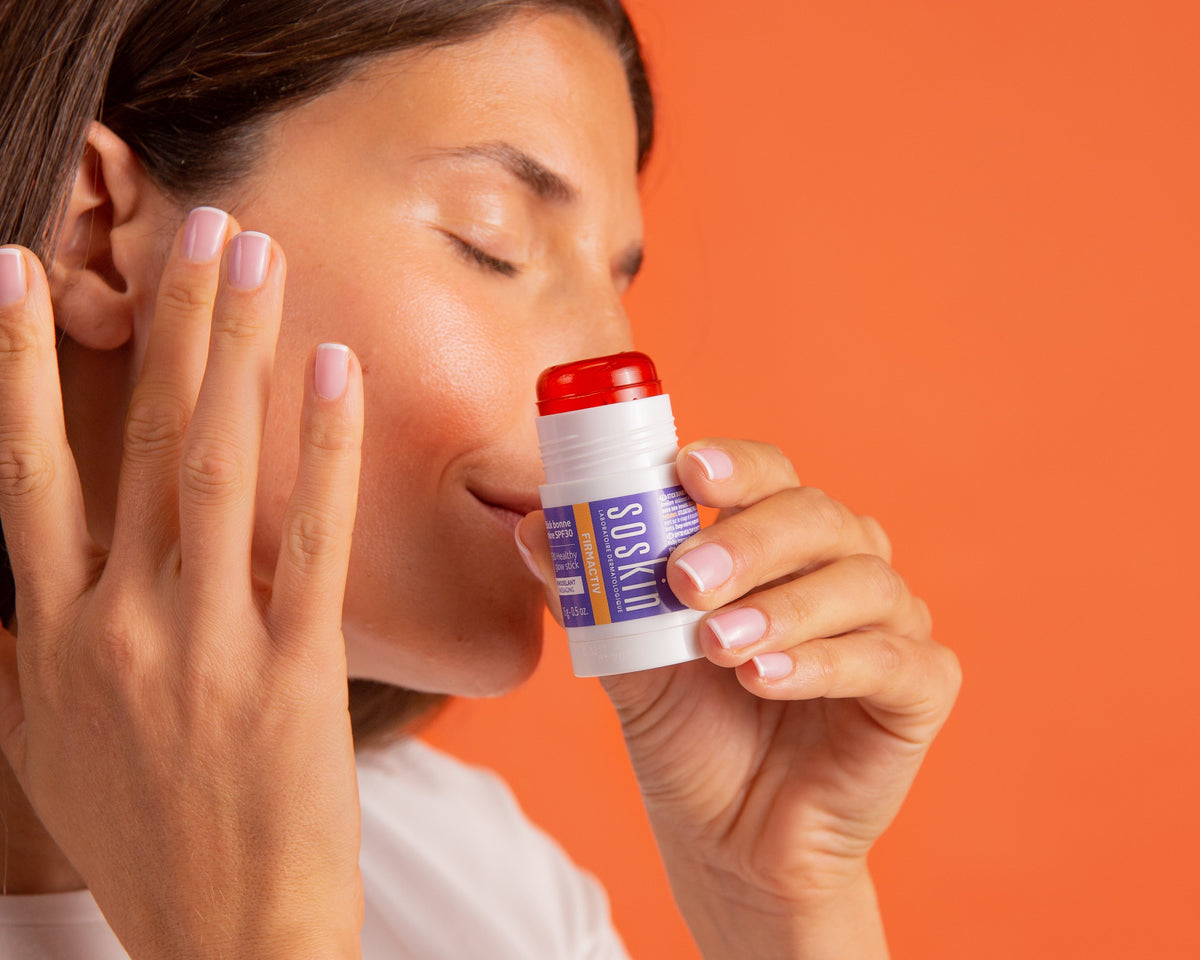
If the first steps (cleaning, cooling, protection) limit complications, a targeted restorative routine remains essential to support the skin until complete healing. The range Cicaplex® from SOSKIN has been specially designed to restore the integrity of the skin barrier weakened by a wound, a slight burn or cracking, thanks to active ingredients which stimulate cell regeneration while soothing discomfort.
Designed for daily use, the Restorative treatment regenerates, soothes and Repairs gently, without attacking skin already sensitized by the lesion. Applied morning and evening to the affected area, it acts in addition to the first aid measures mentioned above - generally allow two weeks to a month for complete healing of a small wound.

👉 Discover the Restorative Treatment
The importance of skin hydration: Keep the wound slightly moist to encourage granulation tissue. Indeed, healing requires humidity to be done correctly. Creams containing fatty agents such as petroleum jelly or paraffin preserve the injured area and maintain high humidity levels. Allow two weeks to a month for complete healing of a small wound.
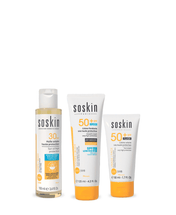
Protect the injured area from the sun: Protect your scar with index sunscreen SPF 50 minimum covering UVB, UVA and visible light. The risk of hyperpigmentation remains real for 6 months and can last up to 2 years. Some products combine moisturizing, healing and sun protection properties.
Special case: tattoo healing time and appropriate care
For a tattoo, adopt the same principles of hydration and sun protection throughout the healing phase.
Practical tips to speed up healing
Adopting the right reflexes during the healing process accelerates healing and improves the final result.
Do not scratch or pick off scabs: The scabs prevent new tissue from forming. However, their appearance slows down healing. Instead, massage the area with moisturizer to soften and shed the scab naturally.
Adapt your diet to heal better: Fill your plate with foods rich in vitamin C such as citrus fruits, kiwis, peppers and blackcurrants. Proteins from eggs, meat and fish support tissue repair. The iron found in seafood, red meat and pulses also contributes to the process. Avoid milk, sugar and certain spices while healing.
Actions to absolutely avoid: Do not scratch pimples or lesions. This spreads the inflammation to nearby tissues and increases the risk of permanent scarring.
Watch for signs of infection: Check if the wound has not healed after 6 weeks. Questionable discharge, foul odor, persistent redness, swelling, feelings of warmth and increased pain signal an infection. A scar continues to evolve for 6 to 18 months.
We've demystified the care of common skin lesions. Take appropriate actions from the first minutes to limit complications. Moisturize regularly with suitable products and systematically protect from the sun. Watch for signs of infection without scratching the scabs. By following these recommendations, you will see a noticeable improvement quickly. Most superficial lesions heal without leaving permanent marks when you give them the necessary attention.