

Lactic acid is much more than a simple cosmetic active ingredient: it is naturally produced by our body, in particular by red blood cells, muscle cells, kidneys and skin cells. In fact, our body generates around 1667 mg/kg per day. This organic acid, also present in milk and fruits, has excellent properties for the skin. At a concentration of 10% or less, lactic acid is safe and effective. However, its use requires certain precautions. In this article we explain what lactic acid is, its benefits for the skin, its potential dangers and how to use it correctly.
What is lactic acid and where does it come from?
Definition and formula of lactic acid: Lactic acid, scientifically called 2-hydroxypropanoic acid or α-hydroxypropionic acid, has a semi-developed formula CH3CH(OH)COOH and a crude formula C3H6O3. Swedish chemist Karl Wilhelm Scheele first isolated it from sour milk in 1780. This molecule belongs to the group of hydroxylated carboxylic acids, meaning that it contains both a carboxyl group and a hydroxyl group.
Lactic acid is a chiral molecule. The carbon atom that carries the hydroxyl group is asymmetric, resulting in two enantiomers: R-lactic acid (or D-lactic acid) and S-lactic acid (or L-lactic acid). Its ionized form is lactate. In 1808, Jöns Jacob Berzelius discovered that lactic acid was also produced in muscles during exercise.
Natural origin and fermentation process: Lactic acid forms naturally in many foods through lactic fermentation carried out by lactic acid bacteria. These microorganisms break down sugars in foods, such as lactose in dairy products and fructose in fruits and vegetables, generating lactic acid.
Two types of fermentation produce lactic acid. Lactic fermentation, carried out by bacteria such as Lactobacillus bulgaricus and Streptococcus thermophilus, makes it possible to produce yogurts, cheeses and lacto-fermented vegetables such as sauerkraut. This fermentation takes place anaerobically, without oxygen, and allows ATP to be produced in the cell. Malolactic fermentation in wine uses malic acid and is carried out by the lactic acid bacteria Oenococcus oeni.
Lactic acid is found in sour milk, yogurt, kefir, buttermilk, pickles, sauerkraut, cucumbers, peppers and wine.
Natural production by the body: During intense, prolonged exercise, our muscle cells need a lot of energy in the form of ATP. When the oxygen supply becomes insufficient, the cell uses the anaerobic glycogenolysis pathway which produces lactate. Contrary to popular belief, soreness is not due to the accumulation of lactic acid in the muscle. Lactate is not a metabolic waste but an important metabolic intermediate for energy exchanges between cells, tissues and organs.
The benefits of lactic acid for the skin
Lactic acid belongs to the alpha hydroxy acid (AHA) family. Its exfoliating action is based on a chemical mechanism which breaks the bonds between the dead cells of the stratum corneum, facilitating their gradual detachment from the epidermis. Unlike mechanical grain scrubs which act by friction, it dissolves the "glue" holding dead skin cells together. This gentle exfoliation stimulates cell renewal and promotes the regeneration of new cells, contributing to a more uniform and radiant complexion.
Its molecular weight of 90.08 g/mol, higher than that of glycolic acid (76.05 g/mol), limits its penetration into the epidermis. A clinical study carried out on 90 volunteers demonstrated a 56% reduction in comedones after 12 weeks of use of a 2% lactic acid serum.
Hydration and regulation of skin pH: Furthermore, lactic acid has remarkable moisturizing properties. It stimulates the biosynthesis of ceramides in keratinocytes, lipids essential for maintaining the cohesion of the stratum corneum. In vitro studies have shown an almost 300% increase in ceramide levels in epidermal cells following the application of L-lactic acid.
A double-blind clinical study carried out on 24 volunteers followed for four weeks confirmed these benefits. Twice-daily application of a lotion containing 4% L-lactic acid strengthened the lipid barrier and showed a clear reduction in the signs of skin xerosis. As a humectant, it attracts water to the surface layers of the epidermis. It also helps maintain the skin's slightly acidic pH, contributing to the natural moisture barrier.
Action on wrinkles and aging: In vitro studies have demonstrated that lactic acid stimulates collagen production by fibroblasts. Collagen contributes to the suppleness and firmness of the skin. This tightening effect is accompanied by an antioxidant activity which neutralizes free radicals before they attack cellular constituents. Several consumer studies have shown that at concentrations between 8 and 12%, it improves the appearance of sun-damaged skin and reduces fine lines, wrinkles and grainy skin texture.
Suitable for sensitive skin: Lactic acid is generally recommended for people with sensitive skin seeking to achieve gentle exfoliation. Its larger molecule penetrates less deeply into the epidermis and will therefore be less irritating than glycolic acid. Its gradual absorption allows effective exfoliation without causing an excessive skin reaction. It strengthens the skin barrier by encouraging the production of ceramides.
Reduction of stains and imperfections: When it comes to evening out skin tone, lactic acid inhibits the activity of tyrosinase, an enzyme involved in melanogenesis. Its exfoliating action gradually disperses the melanin clusters located in the basal layer. At a concentration between 5 and 12%, it accelerates the peeling process and reduces signs of hyperpigmentation. It effectively treats mild to moderate photoaging. Positive results have also been seen on mild acne with lower concentrations.
The dangers and side effects of lactic acid
Increased sensitivity to sunlight and photosensitization: Lactic acid is a photosensitizing molecule that increases the skin's sensitivity to UV rays. Its exfoliating power refines the stratum corneum, thus depriving the epidermis of its natural protection against the sun's rays. Indeed, this protective layer normally absorbs or reflects UV rays, particularly UVB. Exposure to the sun after application may cause sunburn or skin irritation. The skin begins to redden under the effect of UV rays due to cellular damage.
Risks of irritation and burns: Although it is milder than glycolic acid, lactic acid can cause mild to moderate burning sensations that are transient. Tingling, redness or peeling may appear. A disruption of the skin barrier occurs if the product is overused or improperly layered.
Asset combinations to avoid: Simultaneous use of lactic acid with other fruit acids, such as glycolic acid and salicylic acid, may sensitize the skin. The association with retinol is not recommended because this photosensitizing molecule could irritate the epidermis. Vitamin C combined with lactic acid risks causing irritation and inflammation.
Lactic acidosis in case of excess in the body: A high level of lactic acid in the body can cause a lack of tissue oxygenation. Lactic acidosis results from excessive production of lactic acid or a decrease in its metabolism. Symptoms include vomiting, nausea, increased respiratory rate, and feeling unwell.
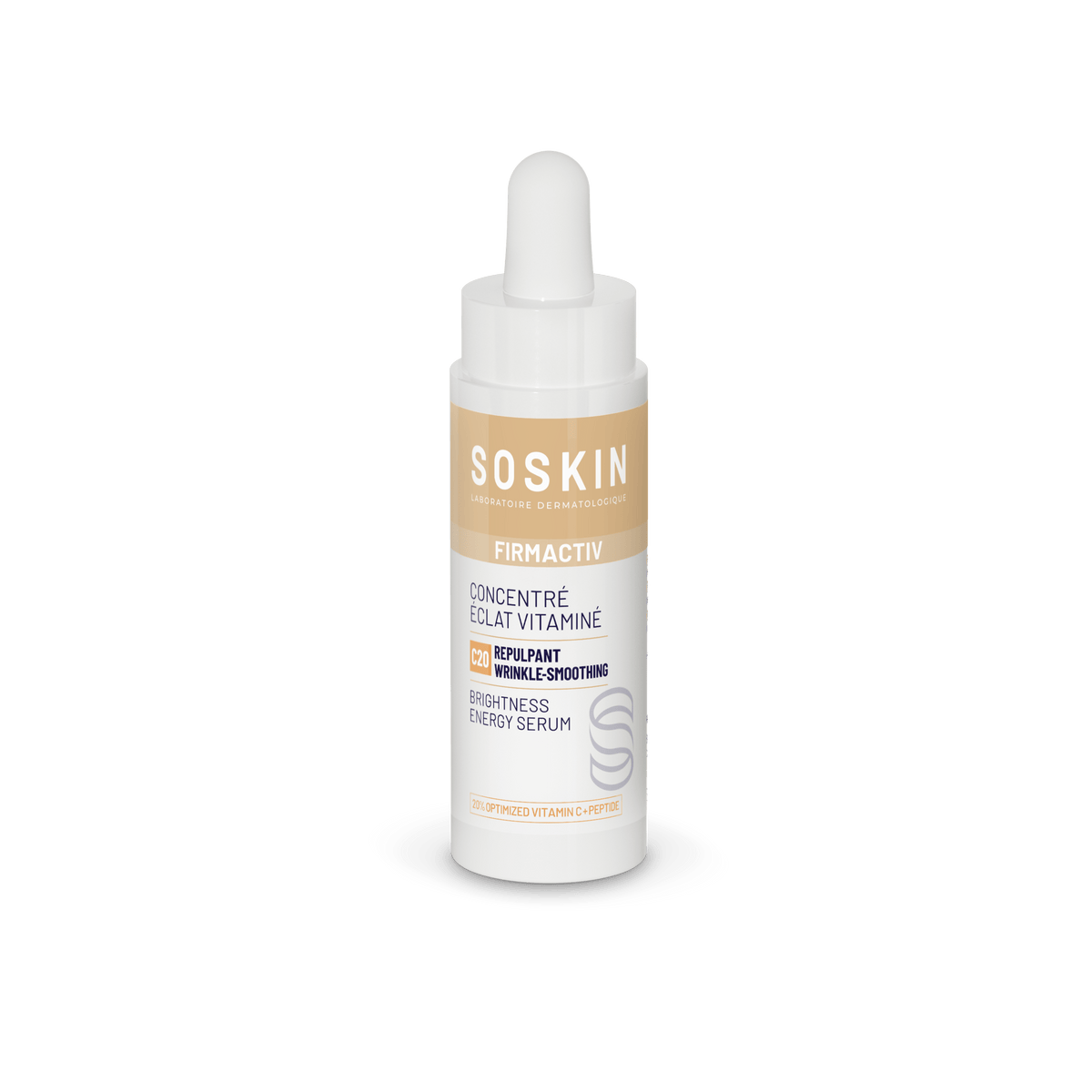
To integrate lactic acid into your routine without risk, choose a product formulated and dosed by professionals rather than a homemade preparation. The Purifying lotion of SOSKIN visibly refines skin texture while protecting against irritation, for a gentle exfoliating action suitable for combination to oily skin.
An essential step after cleansing, apply it with a cotton pad on the face (avoiding the eye area), without rinsing. Allow several weeks of regular use for a visibly smoother complexion. Smooths and unified.

👉 Discover the Purifying Lotion
Instructions for use and precautions for use
How to apply lactic acid to the skin: Strictly follow the instructions for use. Some treatments are applied to the entire face, while others should not be applied near the eye area. Clean and dry your skin, then apply a few drops of serum. You can then use a hydrating serum to strengthen the skin barrier. Finish with a moisturizer to seal in the active ingredients. The frequency depends on the type of product: some serums are used daily, while masks are applied once or twice a week.
Application in the evening and obligatory sun protection:Lactic acid is used exclusively in the evening. The next morning, apply a broad-spectrum sunscreen. This protection remains necessary the days following application.
Skin tolerance test before use: Perform a skin test on the crook of your elbow during the first application. Wait 24 to 48 hours. If no redness, swelling or itching appears, your skin tolerates the treatment well.
Concentration and frequency of application: European cosmetic regulations cap the concentration at 20%. Professional peels can reach 70-80%. Lactic acid works best with a pH between 3.5 and 4. Start with a low concentration of 5 to 10%. Use the product one to three times a week depending on your tolerance.
Choosing products suited to your skin type: The formulas for sensitive skin generally contain 5 to 10% lactic acid. More concentrated serums, up to 15%, are aimed at skin used to chemical exfoliants.
Lactic acid represents a valuable ally in improving the appearance of your skin. In reality, its effectiveness is based on reasonable use: choose concentrations adapted to your skin type, apply it exclusively in the evening and protect yourself from the sun the next day. Start gradually to allow your skin to adapt. We recommend that you carry out a skin test beforehand and scrupulously respect the application frequencies to benefit from its benefits without risking irritation.