

Niacinamide during pregnancy represents a valuable solution to the many skin changes that occur during this unique period. Indeed, pregnancy causes significant changes to our skin, in particular because of hormonal fluctuations. Estrogens have a beneficial effect on skin hydration and elasticity , however, these same hormones can also cause various skin discomforts.
Among these changes, hyperpigmentation during pregnancy mainly manifests itself on the face, breasts, navel and pubis. These brown spots, often called "pregnancy mask", generally appear from mid-pregnancy and disappear approximately six months after birth. . Other concerns such as stretch marks, hormonal acne or even dry skin can also occur. Faced with these challenges, it is essential to find suitable care, because many cosmetic active ingredients are not recommended during this period. This is where the Soskin range stands out, with products specifically formulated for pregnant and breastfeeding women, a rarity in today's market. In this article, we explore how to care for your skin during pregnancy, with a particular focus on the benefits of niacinamide and effective solutions for safely maintaining a radiant complexion.
The Most Common Cuticle Changes During Pregnancy
Pregnancy marks a period of profound transformation for the female body. The skin, in particular, undergoes significant changes under the influence of hormonal fluctuations. Here's a look at the most common skin changes you might experience during this special time, and how to manage them effectively.
Hyperpigmentation and pregnancy mask
Hyperpigmentation affects up to 90% of pregnant women. , making it one of the most common skin changes during pregnancy. The “mask of pregnancy”, also called melasma or chloasma, manifests itself as brown spots with regular contours on the face, mainly on the front, cheekbones, upper lip and chin.These spots generally appear from the 4th month of pregnancy. .
The main culprit?The increase in estrogen which stimulates the activity of melanocytes and therefore the production of melanin .Sun exposure also plays a major role in the appearance or worsening of these spots. .Furthermore, women with dark skin and those who have already had melasma during a previous pregnancy are more likely to develop it. .
Stretch marks and loss of elasticity
Stretch marks affect around 8 out of 10 pregnant women. , appearing mainly on the stomach, but also on the breasts, hips, thighs or buttocks. These marks, initially red or purplish depending on your eyelet, are caused by micro-tears in the cartilage and elastin fibers located in the dermis.

Contrary to popular belief, anti-stretch mark creams have not proven their effectiveness in preventing them.. However, maintaining optimal skin hydration and using rich products like Soskin Lightening Body Milk can help improve elasticity and comfort.
Hormonal acne and oily skin
Increased hormonal levels during pregnancy stimulate the oil glands, causing built-up sebum production that can clog pores and cause breakouts. .Women who already have acne may notice a worsening during this time .
To treat pregnancy acne, choose gentle cleansers like Soskin Radiance Cleansing Foam, which eliminates excess sebum without harming the skin. Niacinamide, present in several Soskin products, is particularly recommended during pregnancy for its regulatory action on sebum production and its anti-inflammatory properties.
Dryness and itching
Tight skin from the rounding belly can become dry and cause uncomfortable itching. .However, intense itching, especially on the palms and soles of the feet, may be a sign of intrahepatic cholestasis of pregnancy. , a liver condition requiring medical attention.
If the itching is mild and localized, hydration is your best ally.However, consult your doctor or midwife quickly if the itching becomes severe, particularly if it intensifies in the evening. .
Appearance of angiomas and redness
Hormonal changes during pregnancy can also trigger the appearance of angiomas. . These small, raised red spots, called spider or spider angiomas, result from dilation of superficial blood vessels.They usually appear on the face, chest, back and arms. .
These angiomas often disappear spontaneously around nine months after delivery, especially if they are related to increased estrogen . During pregnancy, it is preferable to opt for gentle, non-irritating treatments, such as those from the Soskin range, specially formulated to respect the sensitized skin of future mothers.
Why niacinamide is the star ingredient for pregnant women
Faced with the many skin challenges of pregnancy, finding ingredients that are both effective and safe becomes a real quest for future mothers. It is precisely in this context that niacinamide stands out as an active ingredient of first choice. Find out why this ingredient deserves your full attention during this very special time.
A gentle and well-tolerated active ingredient

Niacinamide, also known as vitamin B3, stands out for its excellent skin tolerance. Unlike other powerful active ingredients such as retinoids or certain acids, it has no contraindications during pregnancy and breastfeeding. This characteristic makes it a valuable ally for pregnant women whose skin often becomes more sensitive and reactive.
Its remarkable safety profile explains why all the products in Soskin's anti-dark spot range, from the Anti-Dark Spot Radiance Serum to the Anti-Dark Spot Concentrate, including the Evening Cream, include this active ingredient. These formulations have been specifically designed to meet the needs of pregnant and breastfeeding women, a rare attention in the world of cosmetics.
Anti-inflammatory and soothing effect
During pregnancy, hormonal fluctuations can cause uncomfortable skin inflammation. Niacinamide, thanks to its proven anti-inflammatory properties, helps calm these irritations and reduce redness. It intervenes in particular by reducing the production of inflammatory cytokines, molecules responsible for the feeling of discomfort and the inflamed appearance of the skin.
Furthermore, this active ingredient helps to reduce the itching often associated with tight skin on the stomach. Soskin's Lightening Body Milk, enriched with niacinamide, offers welcome relief while preventing the appearance of stretch marks.
Regulation of sebum without attacking
Hormonal acne affects many pregnant women. Fortunately, niacinamide effectively regulates excess sebum production without drying out the skin. It acts by balancing the lipid production of the sebaceous glands while preserving the natural hydration of the epidermis.
Additionally, unlike traditional anti-acne solutions often not recommended during pregnancy (like salicylic acid), niacinamide offers a gentle but effective alternative. Soskin Radiant Cleansing Foam, formulated with this ingredient, cleanses in depth while respecting the skin balance of the most sensitive skin.
Reduction of pigment spots
Pregnancy mask and other hyperpigmentations are among the major concerns of future mothers. Niacinamide directly addresses this problem by inhibiting the transfer of melanin to the surface cells of the skin. It thus helps prevent and reduce brown spots without the irritating effects of other depigmenting active ingredients.
For targeted action against stubborn spots, the Anti-Spot Concentrate and the Anti-Spot Radiance Serum from Soskin combine niacinamide with other pregnancy-compatible active ingredients such as hibiscus flower acid and alpha-arbutin. This synergy allows optimal anti-stain action without compromising safety.
Strengthening the skin barrier
The integrity of the skin barrier is often put to the test during pregnancy. Niacinamide stimulates the production of ceramides, essential components of intercellular cement which hold skin cells together and protect the skin from external aggressions.
This strengthening effect is particularly beneficial in the face of hormonal variations which weaken the skin. A reinforced skin barrier means less dehydration, less irritation and better resistance to environmental aggressions. Soskin's Evening Cream, enriched with niacinamide, offers daily care that simultaneously protects and repairs.
Soskin's complete anti-dark spots routine, compatible with pregnancy and breastfeeding, places niacinamide at the heart of its formulations to offer a global solution to the multiple skin challenges encountered by future mothers.
Anti-dark spot routine compatible with pregnancy with Soskin products
To maintain a radiant complexion throughout pregnancy, a specific routine is necessary. Fortunately, the Soskin anti-stain range offers a complete solution, specially formulated for pregnant and breastfeeding women – a rarity in the world of cosmetics.
Step 1: Cleanse with Radiance Foam Cleanser
Start with gentle but effective cleaning. The Radiance Cleansing Foam by Soskin eliminates impurities and excess sebum without damaging the skin. Its formula enriched with niacinamide and alpha-arbutin is perfectly suited to skin sensitized by hormonal changes. Apply morning and evening to damp face, then rinse thoroughly for fresh skin ready to receive the following treatments.
Step 2: Treat with Anti-Dark Spot Radiance Serum
The Anti-dark spot radiance serum is the ally of skin that requires targeted action, this serum reduces the production of melanin, reduces existing spots and prevents the appearance of new ones. Its highly concentrated formula (24% active ingredients) acts effectively while preserving the skin barrier to reveal a more luminous and even complexion.
Step 3: Boost with Anti-Dark Spot Concentrate
This intensive treatment, rich in tranexamic acid and azelaic acid derivative, targets residual pigment spots, regulates melanin production and stimulates cell renewal. Its non-greasy texture is applied to the face and body for a more uniform and luminous complexion. Used in addition to your routine, it reinforces the effectiveness of your treatments and limits the reappearance of spots.
Step 4: Moisturize with the Evening Cream
Continue with the Evening Cream which combines hydration and anti-stain action. Its light texture penetrates quickly and provides an immediate feeling of comfort. Rich in niacinamide, it regulates the production of melanin while strengthening the skin barrier, often weakened during pregnancy. Apply every morning for optimal protection against external aggressions. Tip: mix a few drops of the booster into the cream before application.
Step 5: Unify the body with Lightening Milk
Remember that hyperpigmentation can also affect the body. Lightening Body Milk perfectly complements this routine by targeting sensitive areas such as the neckline, bras or stomach. Its soothing formula intensely hydrates while gradually reducing spots. It also helps prevent the appearance of stretch marks thanks to its softening action.
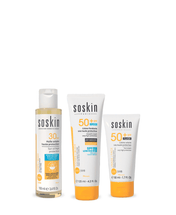
For optimal results, complete this routine with the daily application of SPF50 mineral sun protection, essential to prevent the worsening of pigment spots during pregnancy.
Ingredients to avoid during pregnancy and their alternatives
Choosing the right skin care during pregnancy can seem like a challenging journey. Many common cosmetic ingredients are not recommended during this delicate period. Understanding why certain active ingredients should be avoided and knowing their safe alternatives becomes essential for taking care of your skin with complete peace of mind.
Retinoids and salicylic acid: why avoid them
Retinoids, derived from vitamin A, are at the top of the list of ingredients to absolutely ban.Present in many anti-aging and anti-acne treatments, they are associated with the risk of congenital malformations. .Studies have shown that their oral use during pregnancy can cause retinoic embryopathy syndrome. .Although topical application poses a lower risk, dermatologists recommend avoiding all products containing tazarotene, tretinoin, adapalene, retinol, or retinyl palmitate. .
As for salicylic acid, caution is also required.Its oral consumption during the third trimester may increase the risk of intracranial hemorrhage in the fetus. .When applied topically, it is generally considered low concentration (maximum 2%) , but high concentration peels should be avoided.
Glycolic acid pregnancy: use with caution
Glycolic acid, belonging to the AHA (Alpha Hydroxy Acids) family, represents a gentler alternative. Unlike retinoids, it can be used during pregnancy, provided certain precautions are followed. Favor formulations containing less than 10% glycolic acid and avoid professional chemical peels.
This active ingredient helps accelerate cell renewal and fade hyperpigmentation without major side effects. However, it can increase sensitivity to the sun – therefore applying sun protection becomes essential .
Safe alternatives: niacinamide, hyaluronic acid, hibiscus flower acid
Faced with these restrictions, certain active ingredients stand out for their safety and effectiveness.Niacinamide (vitamin B3) is unanimously recognized as safe during pregnancy . It regulates sebum production, soothes inflammation and reduces hyperpigmentation – ideal for counteracting pregnancy mask.
Hyaluronic acid, a substance naturally present in our body, provides intense hydration without risk . Its ability to retain water in the skin helps prevent dryness and frequent itching during pregnancy.
Hibiscus flower acid, present in Soskin formulations, also constitutes a gentle and effective alternative to stimulate cell renewal and even out skin tone.
The Soskin anti-spot range stands out for its formulations specifically designed for safe pregnant and breastfeeding women, integrating these active ingredients and performances, without harming the effectiveness of the care.
Tips to Prevent Dark Spots and Keep Skin Glowing
Preventing the appearance of spots during pregnancy requires a few essential actions which, combined with the right products, can make all the difference for your skin.
Use appropriate SPF50 sun protection
Using an SPF50+ sunscreen is absolutely essential from the start of pregnancy .Opt for mineral protection containing zinc oxide or titanium dioxide , safer than chemical filters which can be absorbed through the skin. .A study has shown that applying well-tolerated sunscreen since the first trimester can reduce the incidence of melasma during pregnancy by more than 90%. .
Avoid direct exposure to the sun
Limit your sun exposure, particularly between 11 a.m. and 4 p.m. .Wear a wide-brimmed hat and sunglasses to protect your face. , areas particularly sensitive to pregnancy masks. Remember that UV rays pass through clouds and windows. , making protection necessary even on overcast days or indoors.
Adopt a diet rich in antioxidants
Favor fruits and vegetables rich in carotenoids (red, orange, yellow) and foods containing omega-3 and vitamin E. E. Antioxidants help prepare your facial skin for UV rays and maintain its hydration. A balanced diet during pregnancy, particularly rich in antioxidants, can also protect against certain atopic diseases in children. .
Drink enough water
Make sure you consume at least 1.5 liters of water per day .Hydration helps eliminate toxins and maintains skin elasticity . During pregnancy, water needs increase, making this habit even more essential for maintaining healthy skin.
Consult a professional before any change in routine
Before using new products, consult your dermatologist and obstetrician. . They will be able to offer you personalized advice based on your specific circumstances.If the pregnancy mask persists after childbirth, your dermatologist can recommend various corrective techniques such as microdermabrasion, peels or pulsed light. .
To conclude:
Pregnancy transforms your body in many ways, and your skin is no exception to these changes. Indeed, hormonal fluctuations can cause a variety of skin concerns, from pregnancy mask to stretch marks, acne and dryness. Faced with these challenges, it becomes crucial to choose ingredients that are both effective and safe.
Niacinamide particularly stands out as a valuable ally during this period. Unlike many cosmetic active ingredients not recommended during pregnancy, this form of vitamin B3 offers a gentle but powerful solution to treat most pregnancy-related skin problems. Furthermore, its anti-inflammatory, sebum regulating and lightening properties make it a versatile ingredient, adapted to the specific needs of future mothers.
In this regard, Soskin's anti-stain range represents a real innovation in the cosmetics market. All of its products, from the Radiance Cleansing Foam to the Brightening Body Milk, have been specially formulated for pregnant and breastfeeding women – a rarity in the world of skin care. This complete routine allows you to calmly address skin changes while preserving the health of the mother and baby.
Remember, however, that prevention remains essential. Daily application of SPF50 mineral sun protection, constant hydration and a diet rich in antioxidants are essential additions to your skincare routine. Likewise, avoiding retinoids and other contraindicated active ingredients will allow you to take full advantage of this unique period without disrupting the radiance of your skin.
Ultimately, taking care of your skin during pregnancy shouldn't be a source of anxiety. With safe ingredients like niacinamide and specifically designed products like Soskin, you can maintain a radiant complexion throughout these special nine months. After all, deserving glowing skin while you create life is definitely one of the greatest gifts you can give yourself.