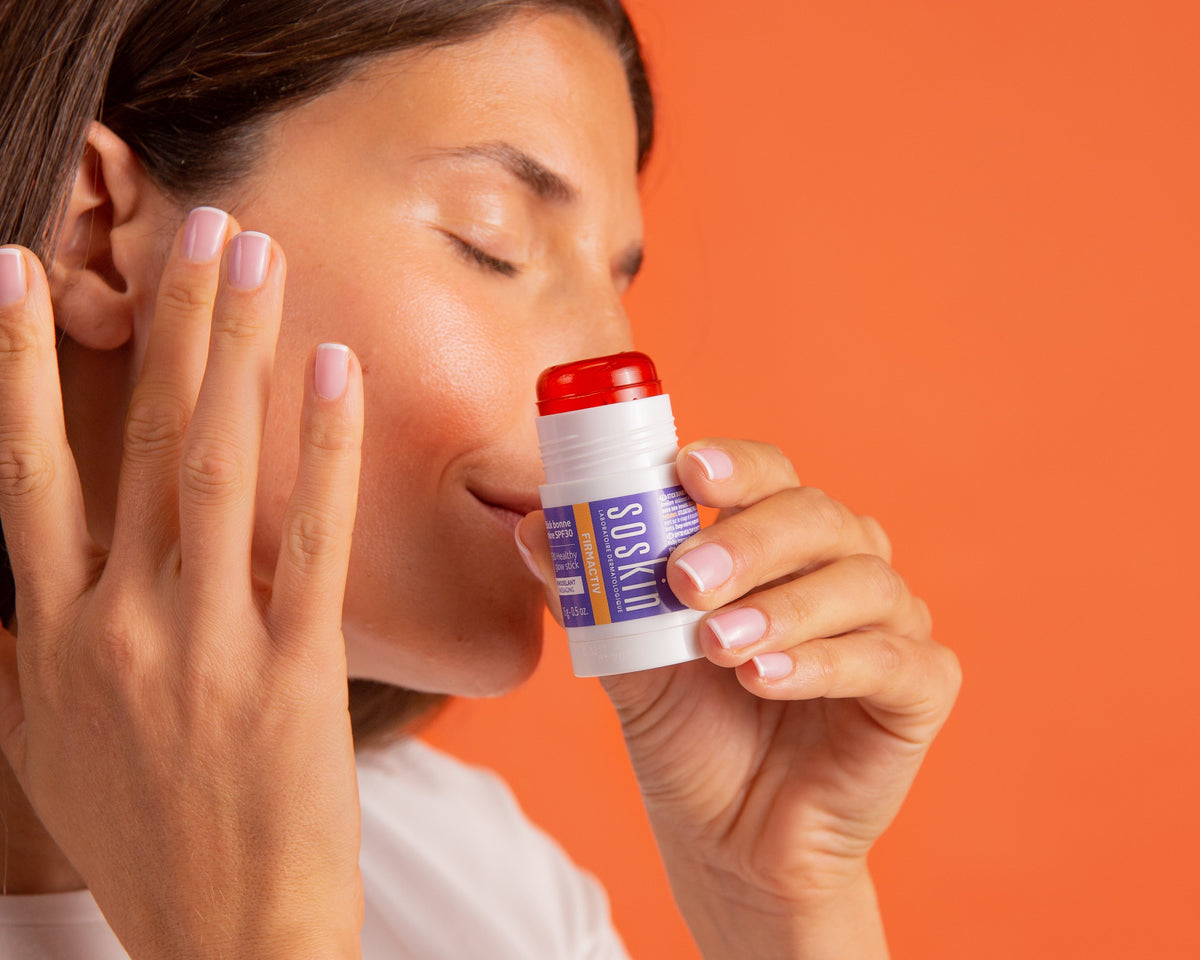


The T-zone is a challenge we all know: that shiny forehead, that shiny nose, and that chin that seems to produce sebum at will. This central region of the face, which literally forms a "T" running from the forehead to the chin via the nose, represents a daily concern for many of us.
In fact, it's no coincidence that the T-zone of the face causes so many problems. This part contains twice as many sebaceous glands as other areas of the face, with 400 to 900 glands per cm² compared to only 50 to 100 on the limbs. Therefore, oily T-zone skin is often characterized by excessive shine, enlarged pores and sometimes even blemishes. Several factors can aggravate this situation, including stress, hormones, temperature changes and even pollution.
In this article, we will explore together the specificities of the T zone of the face and offer you effective solutions to maintain it correctly. We will see why this area is particularly sensitive and how to adapt your skincare routine to maintain the balance of your skin.
Understanding the T-zone of the face
Anatomical definition of the T zone
When we look at a face from the front, the T zone literally draws the shape of this capital letter. It includes the forehead (horizontal bar of the T), then descends vertically to encompass the nose and chin. This mid-facial region constitutes the central part of the face, often in the spotlight when it comes to skin care.
Anatomically, this area presents an important particularity: unlike the rest of the face where a single sebaceous gland is connected to each hair follicle, the T zone has two sebaceous glands connected to each follicle. This unique configuration explains why this region responds differently to care and environmental factors.
Why is this area more oily?
The main reason for the oilier appearance of the T zone lies in its exceptional density of sebaceous glands. Indeed, the face has 400 to 900 glands per cm², a concentration significantly higher than the 50 to 100 glands per cm² present on the limbs. This richness in sebaceous glands naturally leads to more abundant sebum production.
Furthermore, recent studies qualify this vision. The nose region, although having fewer sebaceous glands than the chin, paradoxically presents more intense sebaceous activity. Thus, it is not only the number of glands that determines sebum production, but also their individual productivity.
This hyperseborrhea (excessive production of sebum) can be amplified by various factors: stress, hormonal fluctuations, pollution, temperature changes or unbalanced diet. Notably, androgenic hormones such as testosterone stimulate sebum secretion, while estrogens tend to inhibit it.
Role of the sebaceous glands in the T zone
The sebaceous glands are not simply responsible for the sometimes annoying shiny appearance of the T zone. They fulfill an essential function: producing sebum which helps to form the skin's protective hydrolipidic film.
This film acts as a barrier against external aggressions and prevents dehydration by retaining the water present in the deep layers of the epidermis. In addition, sebum has natural antibacterial and antioxidant properties, provided in particular by oleic and palmitoleic acids, as well as vitamin E.
The challenge with the T zone is therefore not to completely eliminate sebum – which would be counterproductive – but to maintain its production at a balanced level. Excess sebum can lead to shine, enlarged pores and blackheads, while insufficient production leaves the skin dry and fragile.
Common T-Zone Problems
The T zone presents specific skin challenges due to its high concentration of sebaceous glands. Let's look at the most common problems and their underlying causes.
Excessive shine and oily skin
Excessive shine is the most visible sign of a problem T-zone. It results from increased production of sebum by the sebaceous glands. This hyperseborrhea can be hereditary or triggered by hormonal fluctuations, environmental factors or inadequate care.
For many people with combination skin, the T-zone shines excessively while the cheeks remain normal or dry. This overproduction of sebum not only causes unsightly shine but also complicates the application of makeup which is difficult to hold.
Climate, stress, lack of sleep and an unbalanced diet can also cause this overproduction. Furthermore, the use of products that are too aggressive can paradoxically stimulate the production of sebum, as the skin seeks to compensate for the excessive elimination of its natural oils.
Enlarged pores and blackheads
Enlarged pores are particularly visible in the T zone. When sebum production is excessive, the pores naturally widen to facilitate its flow. This phenomenon increases with age, as the skin loses its elasticity and its ability to maintain tight pores.
Blackheads, or open comedones, form when excess sebum mixes with dead cells and oxidizes on contact with air, taking on this characteristic color. The nose, central part of the T zone, is particularly affected due to its high concentration of sebaceous glands.
Paradoxical drought of the T zone
Surprisingly, the T zone can also experience phases of drought. This paradoxical situation causes feelings of tightness or even flaking. This phenomenon may be linked to genetic causes or environmental factors such as cold, dry air in winter.
Dehydration can also occur following the use of overly stripping products which, by excessively eliminating sebum, disrupt the protective hydrolipidic film. The skin then reacts by producing more sebum to compensate, creating a vicious cycle between dryness and excess sebum.
Care routine adapted to the T zone
To master the challenges of the T zone, a specific care routine is required. Here's how to adapt your daily actions to balance this capricious region of the face.
Gentle cleansing morning and evening
Twice-daily cleansing is the cornerstone of a balanced T-zone. A first cleansing when you wake up eliminates the sebum accumulated during the night, while a second in the evening rids the skin of the day's impurities. This habit also prepares the epidermis to better receive the following treatments, increasing their benefits tenfold.
For combination to oily skin, choose foaming gels or cleansers containing ceramides, hyaluronic acid and niacinamide. These ingredients cleanse deeply without compromising the skin barrier. Skin prone to blemishes will particularly benefit from formulas with salicylic acid, which purify pores while regulating sebum production.
Weekly exfoliation to unclog pores
Regular exfoliation is crucial to keeping the T-zone clear. However, don't exfoliate more than 1-2 times per week to avoid irritating the skin. This step eliminates dead cells and promotes cell renewal.
Opt for exfoliants containing AHA or BHA (salicylic acid), which are particularly effective in unclogging pores in the T zone. For sensitive skin, prefer a gentler enzymatic exfoliation.
Light, non-comedogenic hydration
Contrary to popular belief, not moisturizing an oily T-zone worsens the problem. Without adequate hydration, the skin produces more sebum to protect itself from external aggressions. Therefore choose non-comedogenic treatments - which do not clog pores - and with a light texture such as gels or emulsions.
Formulas containing niacinamide, hyaluronic acid or ceramides provide hydration without a greasy effect. Apply your treatment after cleansing to maintain the skin's moisture balance.
Use of mattifying serums
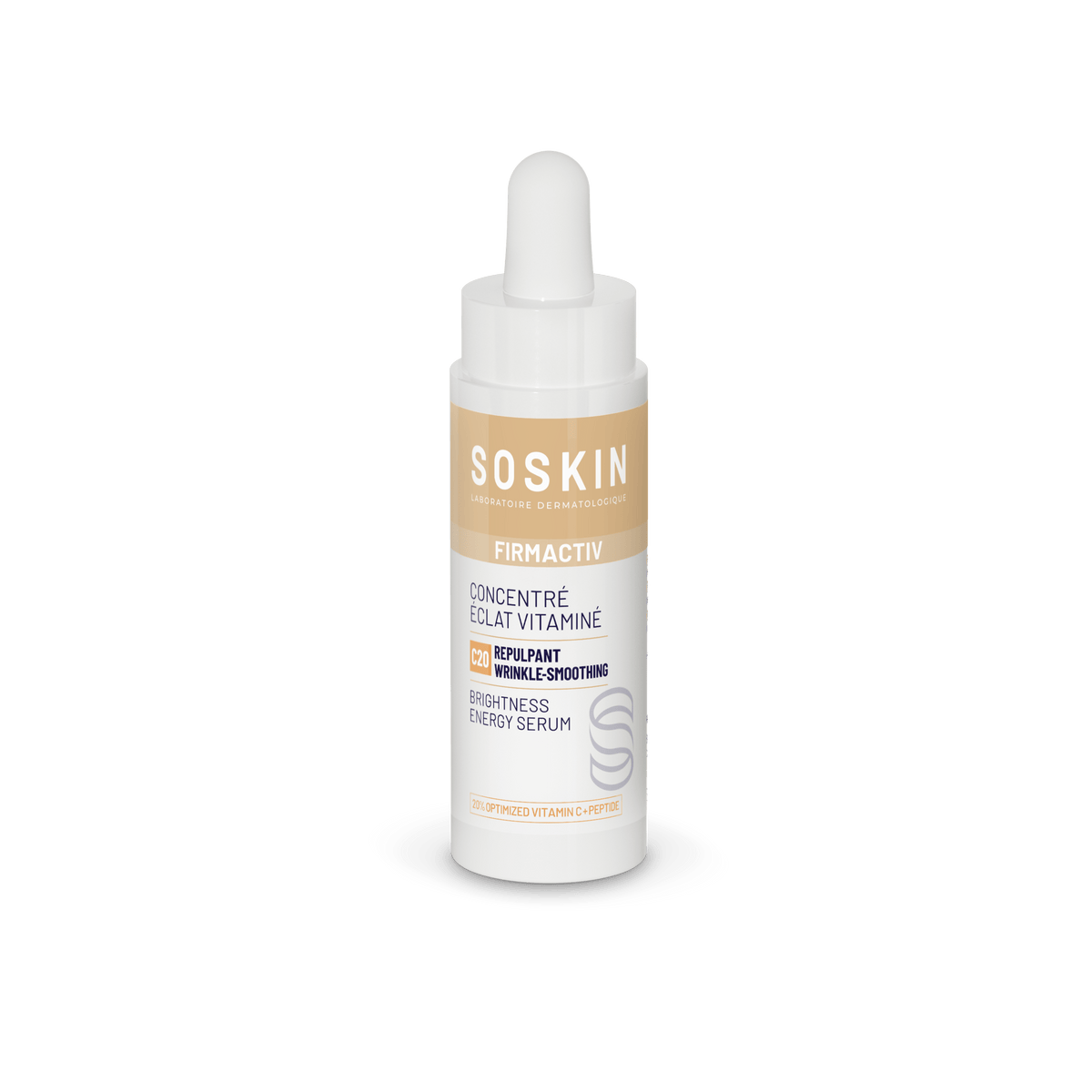
Mattifying serums are precious allies for the T zone. Concentrated in active ingredients, they regulate sebum production and reduce shine. Formulas with azelaic acid (10%) are particularly effective thanks to their anti-comedogenic and antibacterial properties.
Other ingredients such as bamboo extract, known to absorb excess sebum, or zinc with anti-inflammatory and mattifying properties, also help to balance the T-zone. Apply these serums before your moisturizer, specifically targeting problem areas.
Purifying clay-based masks
To complete your routine, use a purifying mask 1 to 2 times a week. Masks based on green and white clay are particularly suitable because they absorb excess sebum and visibly tighten pores.
Some formulas combine clay with salicylic acid for a gentle exfoliating action, improving skin quality. Apply the mask to the entire face or only to the T zone according to your needs, leave on for 15-20 minutes, then rinse thoroughly. Finish by applying a suitable moisturizer to maintain the balance of your skin.
Preventing T-zone imbalances
Maintaining T-zone balance requires a preventative approach rather than simply a corrective one. Here's how to prevent imbalances before they even appear.
Choose products suited to your skin type
For the T zone, the selection of non-comedogenic products is essential. These formulations do not clog pores and allow the skin to breathe naturally. For combination to oily skin, choose light and fluid textures, mainly water-based, particularly suited to this part of the face which contains twice as many sebaceous glands as the rest of the face.
Look for products containing sebum-regulating active ingredients such as zinc or salicylic acid which help channel sebum production. Moreover, formulas enriched with absorbent and astringent active ingredients such as bamboo extract help to refine the skin's texture while limiting shine.
Protecting the T-zone with daily sunscreen
Applying daily sun protection is essential, even on cloudy days. Indeed, UVB rays penetrate the epidermis whatever the weather conditions. An SPF index of at least 30 is recommended to prevent not only premature aging but also dryness of the skin which can paradoxically enlarge pores.
For the T zone, opt for non-comedogenic sunscreens with a fluid, non-white texture. Apply your protection about 15 minutes before going out and reapply every 2 to 3 hours in case of prolonged exposure.
Avoid overly aggressive treatments
Using products that are too harsh is counterproductive for the T zone. These treatments weaken the skin barrier and cause a vicious circle: the skin overcompensates by producing more sebum. Cleansers containing sodium lauryl sulfate should be particularly avoided because they can compromise the natural balance of the epidermis.
Prefer gentle cleansing, without soap, and avoid too hot water which stimulates the sebaceous glands. Moderate cleansing, with products that respect the skin's pH, maintains the integrity of the hydrolipidic barrier without triggering overproduction of sebum.
Adopt a balanced diet
A balanced diet directly influences the health of the T zone. Foods that are too fatty or too sweet can stimulate sebum production. Excessive consumption of very rich dairy products can also encourage the production of sebum.
Instead, choose a diet rich in fruits and vegetables containing antioxidants. Whole grains, soy and green vegetables provide the vitamins necessary for good skin health. Don't forget to drink at least 1.5 liters of water per day to maintain good hydration of the epidermis and promote the elimination of toxins.
Conclusion
The T zone of the face undoubtedly remains one of the most delicate regions to manage in our daily beauty routine. However, now that we better understand how it works, we can adopt suitable and effective solutions. The exceptional density of the sebaceous glands in this region explains why the forehead, nose and chin react differently to treatments than the rest of the face.
A delicate balance is therefore necessary. On the one hand, we must avoid over-stimulating sebum production with overly aggressive products. On the other hand, hydration remains essential even for oily skin. This balanced approach helps break the vicious circle between dryness and overproduction of sebum.
The key actions to control the T zone come down to gentle twice-daily cleansing, regular but moderate exfoliation, the use of non-comedogenic products and the application of targeted treatments such as mattifying serums. These habits, combined with a balanced diet and appropriate sun protection, contribute greatly to the balance of this capricious area.
Finally, let's remember that each skin is unique. The solutions proposed here constitute a solid foundation, but careful observation of your skin's reaction to different treatments remains essential. Thus, with patience and consistency, you will manage to tame this famous T zone to display a harmonious and balanced complexion on a daily basis.