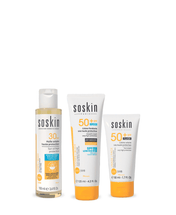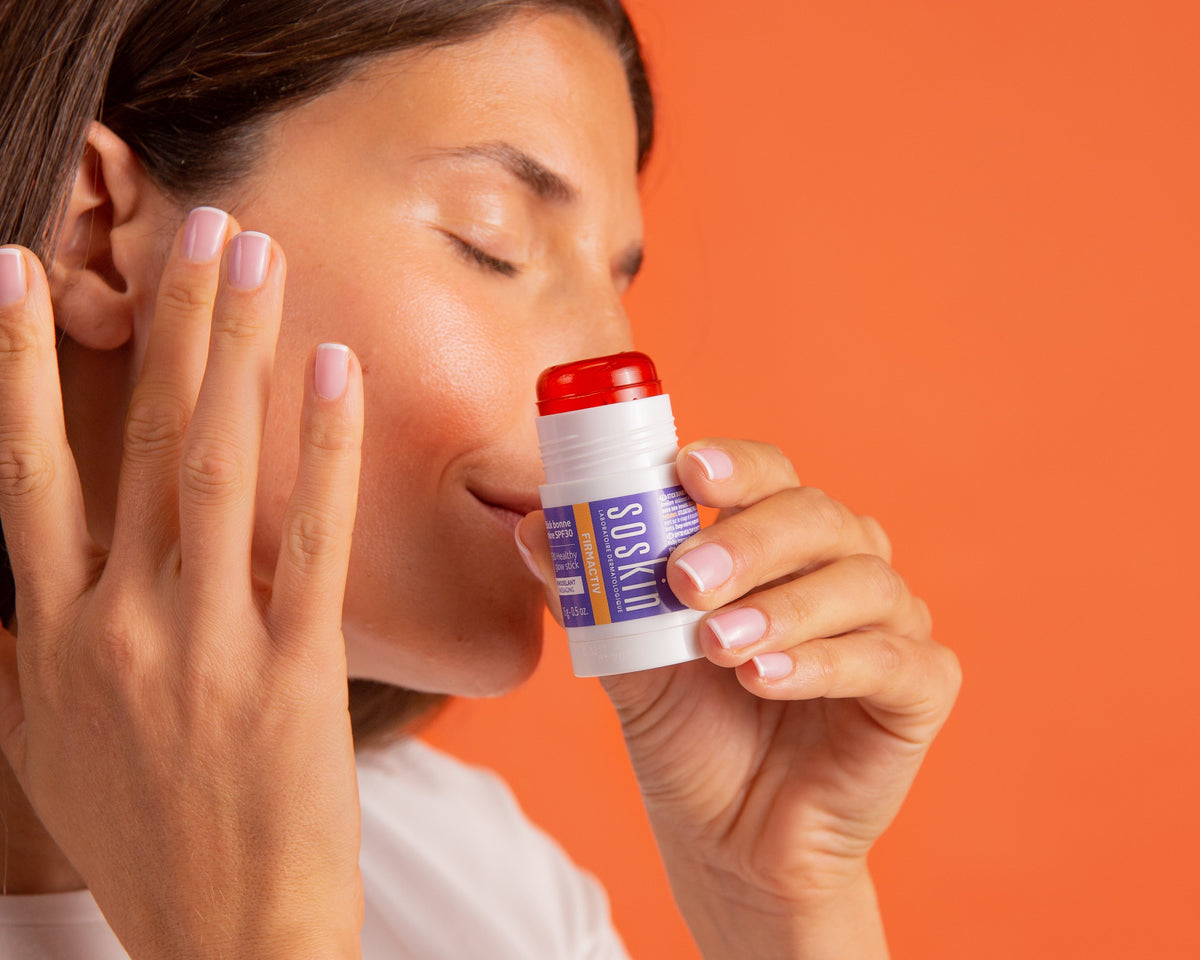


Sunscreen is not just an accessory that we only bring out in the summer. It is a shield for your skin against damage caused by UV rays from the sun. Summer and winter, even in cloudy weather, daily application Sunscreen is non-negotiable. This will allow you to preserve elasticity and youth of your face all year round, but also to prevent the risk of developing serious skin problems.
1. Why use sunscreen all year round?
Prevention of long-term skin damage
The damage that the sun's UV rays can cause to your skin is irreversible, from painful sunburn to visible signs of premature skin aging. Using sunscreen every day will create a protective barrier that will reduce the risk of sunburn, premature wrinkles and pigment spots. So, adopting this reflex action for your skin will have real results in the long term.
Preserving the youthfulness of your skin
It is not a question of stopping the aging of your skin, which is inevitable, but of slowing down its process. UVA rays, responsible for premature aging of the skin, cause wrinkles, fine lines and loss of firmness. So, by carefully applying your sunscreen with an appropriate SPF every day, you minimize the harmful effects from the sun while preventing the deterioration of your skin.
Protection against UV rays all year round
We've all heard that sunscreen is only necessary during sunny days or summer months. However, this is false. In reality, UV rays are present throughout the year. There are 2 types of UV rays that reach the skin: UVB and UVA. The difference between the two is this: UVB rays are responsible for short-term damage and are visible (sunburn). UVA is deceptive because it penetrates deep into the skin (dermis) unlike UVB which remains on the surface. Although it is not visible to the naked eye, the impact of UVA can be seen in the long term: premature aging, brown spots, wrinkles and an increased risk of skin cancer. Thus, no matter the weather conditions or season, using sunscreen on the face regularly is essential to preserve the youthfulness of the skin and avoid any skin diseases. In addition, during summer exposure, protecting your body by generously applying your sunscreen to all exposed areas will create a barrier blocking UV penetration. So, to peacefully enjoy long exposures, do not hesitate to reapply your sun protection regularly and hydrate yourself from the inside (at least 1.5L of water per day).

2. Which sunscreen is right for my phototype?
Knowing your phototype means knowing the type of protection to use and the risk linked to exposure. The phototype strongly depends on the amount and type of melanin present in the skin, which will form a natural protection against the sun's rays. Knowing your phototype is important to adapt your sun protection habits and choose the necessary SPF. There are 6:
-
Phototypes I and II : very sensitive to the sun, they require increased vigilance and very high protection sunscreens.
SPF recommendation : a SPF 50+ for the face as well as for the body will provide the necessary protection against UVB rays. -
Phototype III and IV : the use of sunscreens with moderate to high protection is sufficient.
SPF recommendation : a sunscreen with an SPF of 30 to 50 is strongly recommended for effective protection against UVB. -
Phototype V and IV : this category can opt for sunscreens with low protection.
SPF recommendation : applying an SPF of 15 to 30 will be sufficient for this skin type. However, in summer and with high exposure to the sun, a higher SPF is strongly recommended.

Therefore, regardless of SPF and phototype, it is crucial to apply a
sun protection every two hours during periods of high heat and strong
exposure, especially after swimming.
3. Should you choose sunscreen based on SPF?
The Sun Protection Factor (SFP) is none other than the level of protection guaranteed by a sunscreen against UVB rays, responsible for sunburn. Here is their meaning:
- SPF 15 : approximately 93% of UVB rays are blocked.
- SPF25 : approximately 96% of UVB rays are blocked
- SPF 30 : approximately 97% of UVB rays are blocked.
- SPF 50 : approximately 98% of UVB rays are blocked.
- SPF 50+ : more than 98% of UVB rays are blocked.
It is therefore important to choose an SPF sunscreen that suits your phototype.

4. The importance of adopting a broad spectrum sunscreen
In addition to protecting against UVB, a broad spectrum sunscreen will also provide protection against UVA rays. As we mentioned earlier, UVA penetrates deeper into the skin and is responsible for premature aging of the skin. Thus, with a broad spectrum sunscreen, protection will be more complete and effective.
5. Sunscreen and skin types
When it comes to sun protection, needs differ from one skin to another. There is therefore a screen suitable for all skin types. Whether you have oily, combination or dry skin, pay close attention to formulations. Indeed, for oily or combination skin, choose a light, non-comedogenic formulation. As for dry skin, a moisturizing sunscreen will be more appropriate. Also make sure that the sunscreen suitable for children.
Oily skin : light texture, without silicone or perfume, such as a fluid milk or cream. Combination skin : a light, protective texture with a non-greasy finish will be suitable. Dry skin : texture enriched with broad-spectrum moisturizing agents.
6. The expiration date of sunscreen
Although an expiry date is actually noted on the products, after opening, it is advisable to pay attention to the following : visual appearance, smell and texture. If any of the items seem unusual to you, this will result in the SPF being ineffective. It is advisable to get a new sunscreen. However, you can adopt good actions to keep your favorite sunscreen on for as long as possible and continue to lounge in the sun without major risks. Indeed, a product stored well, in the shade, without direct exposure to humidity and sunlight, will maintain its effectiveness until its expiration date.
7. Some tips in addition to applying sunscreen:
- Apply sunscreen generously : without forgetting the neck, hands, and all exposed areas.
- Hydrate your skin : Sunscreen and moisturizer go hand in hand. So, before applying your sun protection, make sure you have properly hydrated your skin.
- Renew the application : every two hours, or more if you have been swimming or sweating.
- Choose exhibition times : in summer, exposure between 11 a.m. and 4 p.m. is strongly discouraged because the sun's rays are more intense there.
- Wear protective clothing : a hat, cap, sunglasses or long-sleeved clothing designed for sun protection will be very good allies!
We are counting on you to enjoy the sunny days while protecting yourself!