

Understand how optimize the use of retinol can help effectively reduce the appearance of wrinkles. Its varied benefits are suitable for all skin types and offer visible results. By adopting best practices and precautions, you maximize the anti-wrinkle effects and achieve remarkable results.
What is retinol?
Retinol is a derivative of vitamin A, specifically vitamin A1, which is not naturally present in the skin. Contrary to general confusion, it is an alcohol and not an acid. This allows it to penetrate further into the epidermis. Its role as a powerful antioxidant is to neutralize free radicals and promote the regeneration of skin cells. Thus, creams and serums containing this compound are widely used for their anti-wrinkle properties, for improving the firmness and elasticity of the skin.
Does retinol fight wrinkles?
Known for its ability to stimulate collagen production and encourage cell renewal, retinol is particularly effective in combating fine lines and wrinkles. It is notably found in creams and serums to improve skin texture and reduce visible signs of aging.
When to use retinol to fight wrinkles?
Be sure to apply it at night to maximize its benefits while minimizing risks. Its introduction into your skin care routine should be gradual. Start with application once or twice a week, then increase the frequency and concentration as your skin gets used to it.
The combination of retinol and Centella asiatica to smooth wrinkles
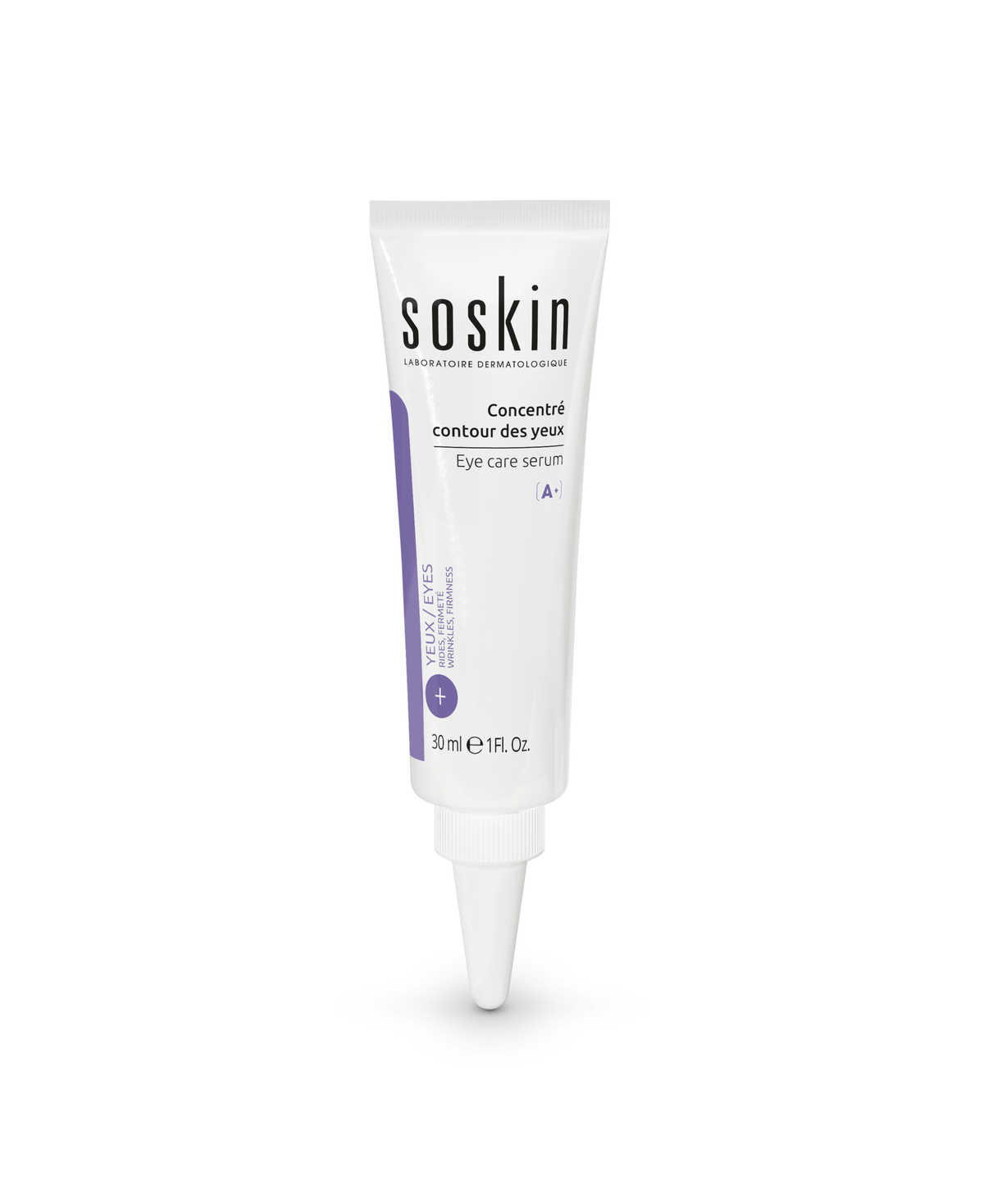
Centella asiatica is a medicinal plant known for its soothing and restorative properties. By combining it with retinol, we obtain a real elixir for facial skin. Centella asiatica is rich in antioxidants and active compounds. This helps reduce inflammation and strengthen the skin barrier. Thus, the effects are maximized and the risk of irritation is minimized. This combination will make skin visibly more radiant and offers a gentle yet effective solution for sensitive skin wanting to slow the appearance of signs of aging. Discover our best-seller formulated with this unique synergy : 92% of users noticed nourished skin, 83% noticed increased firmness and 75% noticed a more even complexion.
Retinol and Vitamin C for optimal anti-wrinkle effect
Combine retinol with Vitamin C can provide synergistic benefits to combat wrinkles and age spots. Thanks to the antioxidant properties of vitamin C, the complexion brightens and protection is formed against environmental damage. This duo helps stimulate collagen production, reduce dark spots and smooth wrinkles for younger, more radiant skin.
What skin type is retinol suitable for?
Retinol is a powerful anti-aging active ingredient dedicated to mature skin showing marked signs of aging: wrinkles, sagging skin, lack of radiance. Recent research has highlighted certain retinol derivatives tested and approved for sensitive skin, such as retinyl palmitate. We still recommend that the most sensitive skin gradually introduce retinol into their routine. Oily and acne-prone skin will benefit from regulating sebum production and preventing breakouts.

Why apply retinol?
Introducing retinol into a skincare routine is often recommended by dermatologists and skincare experts. Here are the main reasons why it can be beneficial when the first visible signs of aging appear:
Improved skin texture :
- Exfoliation : Acting as a gentle chemical exfoliant, products that contain retinol (or a derivative) remove dead skin cells and reveal fresher, luminous skin.
- Evenness of skin tone : these treatments help to reduce brown spots, making the complexion more even and radiant.
Fight against the effects of menopause:
- Drastic decrease in collagen production : at the time of menopause, the body undergoes a significant loss of estrogen, this 'hormonal shock', also present in men but in a more gradual manner, leads to a sudden loss of hyaluronic acid and collagen. The role of retinol is to stimulate the production of collagen, helping to maintain the elasticity and firmness of the skin, which prevents the early appearance of wrinkles.
- Cellular renewal : regular application of these treatments will accelerate the renewal of skin cells, which contributes to the reduction of signs of aging such as fine lines and wrinkles.
Retinol is a derivative of vitamin A, not naturally present in the skin and essential for its anti-aging benefits. Used correctly, it stimulates cell renewal, improves skin texture and reduces wrinkles.