

What are the effects of oxidative stress on skin pigmentation?
Pollution, smoking or even the sun's rays, your skin is subjected to numerous attacks on a daily basis. All of these factors contribute to the buildup of free radicals, unstable molecules that disrupt skin cells and accelerate skin aging. This phenomenon, known as oxidative stress, particularly affects skin pigmentation by altering melanin production. Knowing the mechanisms of oxidative stress and ways to prevent it is essential to maintaining the health of your skin.
What is oxidative stress?
Oxidative stress is a process that occurs when free radicals, molecules naturally present in the body, accumulate in too large quantities. These free radicals, normally useful to the body to fight infections or promote tissue repair, become problematic when they are no longer controlled.
Additionally, the body has antioxidant systems to neutralize these free radicals, but when these defenses are overwhelmed, the body's cells can suffer damage. These repeated attacks harm the skin in particular by accelerating skin aging and disrupting the production of melanin, the pigment that determines skin color.
What are the factors responsible for oxidative stress?
As we age, our body naturally generates more free radicals and our defense system, responsible for neutralizing them, weakens, causing cellular damage and accelerating the visible signs of aging, such as wrinkles and spots on the skin.
In addition, other external elements accentuate oxidative stress, such as:
- Repeated exposure to the sun;
- An unbalanced diet, high in fat, sugar, salt, or calories;
- Excessive alcohol consumption ;
- Smoking;
- Pollution;
- Chronic stress.

What is the link between oxidative stress and inflammation?
Oxidative stress and inflammation are two closely related processes.
When there is an excess of free radicals in the body, these unstable molecules alter cellular structures, proteins and even DNA.
In response, the immune system perceives them as pathogens, thus triggering an inflammatory response to try to eliminate them and repair the damage.
However, if the production of free radicals remains high and the neutralization processes, particularly via antioxidants, are insufficient, chronic inflammation can set in. Unlike acute inflammation, which is a temporary response aimed at healing an injury or infection, chronic inflammation persists over time. This results in continued activation of the immune system, with incomplete healing, immune cells constantly present in the affected area and tissue that cannot regenerate properly.
What are the consequences of oxidative stress on skin pigmentation?
Oxidative stress can have significant repercussions on the pigmentation of the skin, modifying the way in which it reacts to external aggressions and leading to imbalances in the production of melanin.
Hyperpigmentation due to excess melanin
When free radicals affect melanocytes, melanin synthesis becomes unbalanced. This can sometimes lead to overproduction, causing the appearance of brown spots, particularly visible on areas frequently exposed to the sun. This phenomenon is accentuated by the action of UV rays and pollution, which aggravate the oxidation of cells.
Brown spots after skin inflammation
Post-inflammatory hyperpigmentation manifests following a skin lesion or inflammation. Its causes can vary: acne, eczema, psoriasis, as well as burns, peels or laser treatments.
When the skin suffers an attack or injury, repair and healing mechanisms lead to excessive production of melanin, which leads to the appearance of pigment spots.
Vitiligo
Vitiligo is a condition where melanocytes are destroyed by the immune system, causing depigmentation of the skin. Oxidative stress is often cited as an aggravating factor in this pathology, because it contributes to the destruction of melanocytes. The white spots characteristic of vitiligo result from the absence of melanin in certain areas of the skin.
What other effects does oxidative stress have on the skin?
Oxidative stress is not limited to altering skin pigmentation; it also affects the overall health of the skin, leading to various problems that compromise its radiance and youthfulness.
Premature aging of the skin
Oxidative stress is one of the main causes of premature aging of the skin. It causes damage to the cells of the epidermis and dermis, thus contributing to their degradation.
The effects on the skin do not appear immediately, but over time they can lead to the early appearance of fine lines and wrinkles, a dull complexion, and a loss of firmness. Free radicals, through their action, degrade collagen, a protein essential for skin elasticity, which accentuates these signs of skin aging.
Skin imperfections
Oxidative stress is a key factor in the appearance and worsening of skin imperfections, such as acne, redness or other breakouts.
By altering skin cells, free radicals trigger inflammatory processes that disrupt the normal functioning of the sebaceous glands, leading to overproduction of sebum and clogged pores. This reaction promotes the development of acne and inflammatory spots.
Furthermore, after these eruptions disappear, post-oxidative inflammation can leave persistent marks on the skin, such as scars or pigment spots, accentuated by the irregular production of melanin.
Weakened and irritated skin
Under the effect of oxidative stress, the skin gradually loses its ability to protect itself against external aggressions such as UV rays, pollution or climate changes.
The hydrolipidic film, this natural protective barrier which retains humidity and Protects the skin from irritants is particularly vulnerable to these attacks. When the shield is impaired, the skin becomes more permeable and reactive, making it susceptible to repeated irritation and inflammation.
Signs of weakened skin include redness, itching and discomfort.
How to fight against oxidative stress and preserve your complexion?
To preserve the radiance and youthfulness of your skin against the harmful effects of oxidative stress, it is essential to adopt protective actions on a daily basis.
Protect yourself from the sun
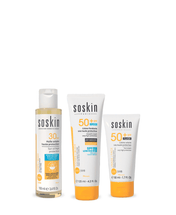
Exposure to the sun's rays is one of the main triggers of skin oxidative stress. Daily application of a sunscreen with a minimum SPF30 helps block both UVA and UVB rays and limit the harmful effects of free radicals. By reducing the damage caused by UV rays, we prevent not only premature aging of the skin, but also the appearance of pigment spots and other imperfections.
Limit exposure to oxidative factors
In addition to the sun, it is also important to reduce exposure to oxidizing agents by adopting good habits such as:
- Avoid polluted environments;
- Limit alcohol and tobacco consumption;
- Opt for cosmetic and household products that are respectful of the skin and free of toxic substances;
- Limit pesticides by favoring organic foods and washing them before consumption;
Stock up on antioxidants
Stocking up on antioxidants requires above all a healthy and balanced lifestyle.
- Practice moderate physical activity such as walking, swimming, gardening or cycling stimulate the body's antioxidant capacities without generating excess free radicals.
- Consume fruits and vegetables daily, with a preference for cruciferous vegetables, citrus fruits, berries and green leafy vegetables. These foods, rich in vitamins C, E, and omega-3, act as “bulletproof” against free radicals.
- Limit consumption of red meats, sugar and polyunsaturated oils which promote the accumulation of free radicals and increase oxidative stress.
- Occasionally make cures of magnesium and antioxidant complexes (vitamins C, E, selenium) to strengthen the body's natural defenses, especially in times of stress.
Establish a suitable care routine
To effectively combat the effects of oxidative stress and preserve the radiance of the skin, it is essential to adopt a suitable skincare routine.
Gentle cleanser
Opt for a non-aggressive cleaner that Respects the hydrolipidic film of the skin. Too abrasive cleansing can disrupt the skin barrier and make the skin more vulnerable to external aggressions, thus increasing oxidative stress.
Specific products to treat hyperpigmentation
Brown spots and other pigment imperfections caused by oxidation can be reduced using lightening or unifying products, containing ingredients like niacinamide or alpha-arbutin. These active ingredients act on the regulation of melanin production, helping to even out the complexion.
Sun protection
Integrate a sun protection daily in the care routine is fundamental to prevent the harmful effects of UV rays and avoid the oxidation of skin cells. Choosing a sunscreen suited to your skin type and reapplying it every two hours in case of prolonged exposure is one of the best anti-aging and anti-imperfection strategies.
In conclusion, oxidative stress and inflammation play a central role in skin health and pigmentation. The buildup of free radicals not only disrupts melanin production, but also promotes inflammatory responses that can exacerbate skin problems. It is therefore essential to understand these mechanisms to adopt effective preventive strategies. By taking care of your skin through a suitable routine and a balanced lifestyle, you can reduce the impact of oxidative stress and preserve the natural radiance of your skin.