

The numbers speak for themselves. Between 2011 and 2018, the use of cosmetic peptides in anti-aging products increased by 7.2%. But what is even more striking is that the variety of peptides available has increased by 88.5% over this same period. This explosion is not the result of chance.
Peptides function as true cellular messengers. They push your cells to make more collagen, elastin, and hyaluronic acid—those three things that keep your skin firm and plump. This is why the cosmetics industry is so interested in it.
But behind the marketing, what is really going on? I'm going to break down how exactly they work, the different types you find on the market, their scientifically proven effects, and above all how to use them so that they really work on your skin.
Understanding peptides: definition and functioning
What exactly is a peptide?
Imagine small chains of amino acids, like pearls on a necklace. That's exactly what peptides are - molecules formed by these short sequences of amino acids joined by peptide bonds. These amino acids? The building blocks of all your cells.
Nature offers us 500 different types of amino acids, but our body only uses 20. Nine of them we must get from our diet because our body does not know how to make them.
In terms of size, peptides are easily classified. Two amino acids together make a dipeptide, three make a tripeptide. Oligopeptides bring together chains of 2 to 20 amino acids. Polypeptides go up to 50. Beyond that, we enter protein territory.
The history of peptides in cosmetics began fifty years ago. The first came from animals - proteins such as keratin or collagen were cut up to extract useful fragments. Then the mad cow crisis in the 1990s changed everything. Head to the laboratories to create synthetic peptides.
The real turning point came when the researchers had the idea of attaching a fatty acid to the peptides. These lipopeptides cross your skin's barrier much better. A discovery which opened the way to current formulas.
How peptides work on the skin
Think of peptides as access codes for your cells. Once they enter your skin, they find specific receptors on cell membranes - a bit like a key finding its lock.
This connection starts a series of chain reactions inside the cell. The fibroblasts, the cells that make collagen in your dermis, then receive new work orders. Production of collagen, elastin, hyaluronic acid - everything starts working.
The secret lies in the exact sequence of amino acids. Each combination creates a unique shape, a particular electrical charge. These characteristics determine which receptors the peptide will be able to communicate with and how deep it can penetrate.
Peptides vs proteins: what’s the difference?
It all comes down to size. Less than 100 amino acids? You have a peptide. More than 100? It's a protein. The collagen, elastin, keratin in your skin belong to this second category.
This size difference is a complete game changer when you apply a product to your skin. Collagen weighs around 300,000 daltons - far too heavy to cross your skin barrier. Cosmetic peptides range between 2,000 and 5,000 daltons. Light enough to sneak into the cells that need it.
This is why collagen creams can't really "feed" your skin with collagen directly. Peptides arrive on site and instruct your cells to make more.
The different types of peptides in skincare
Not all peptides are equal. Four main families dominate the market, each with its own specialty.
Messenger peptides to stimulate collagen
These peptides speak directly to your fibroblasts. Their message? “Make more collagen, elastin and glycosaminoglycans.” Palmitoyl tripeptide-1 (pal-GHK) and palmitoyl pentapeptide-4 (pal-KTTKS) excel in this role.
Matrixyl 3000 deserves a special mention. This duo of palmitoyl tripeptide-1 and palmitoyl tetrapeptide-7 wreaks havoc on fine lines and wrinkles. Acetyl tetrapeptide-9 joins this team to boost the synthesis of these proteins that hold your skin in place.
Relaxing peptides against expression lines
Here are the needle-free botox imitators. Acetyl hexapeptide-8, sold under the name Argireline, blocks the neurotransmitters that contract your facial muscles. The figures are impressive: 49% reduction in wrinkle depth. SYN-AKE does even better with 52% in four weeks.
Tridecapeptide surprises with its speed - results in 15 minutes. These peptides calm skin micro-contractions by 20 to 30% after just two weeks of daily use. Result: your dynamic wrinkles on the forehead and around the eyes gradually fade.
Nutrient transporter peptides
These peptides act as delivery men. They deliver copper, manganese and magnesium directly to the cells that need them. Copper tripeptide-1 (GHK-Cu) combines the talents: transporter AND messenger. It excels at healing and regenerating damaged tissues.
Protective peptides and antioxidants
The close guard of your skin. These peptides neutralize free radicals that accelerate aging. Carnosine, glutathione and anserine strengthen the natural defense system of your epidermis. Some antimicrobial peptides even attack bacteria - a plus for acne-prone skin.
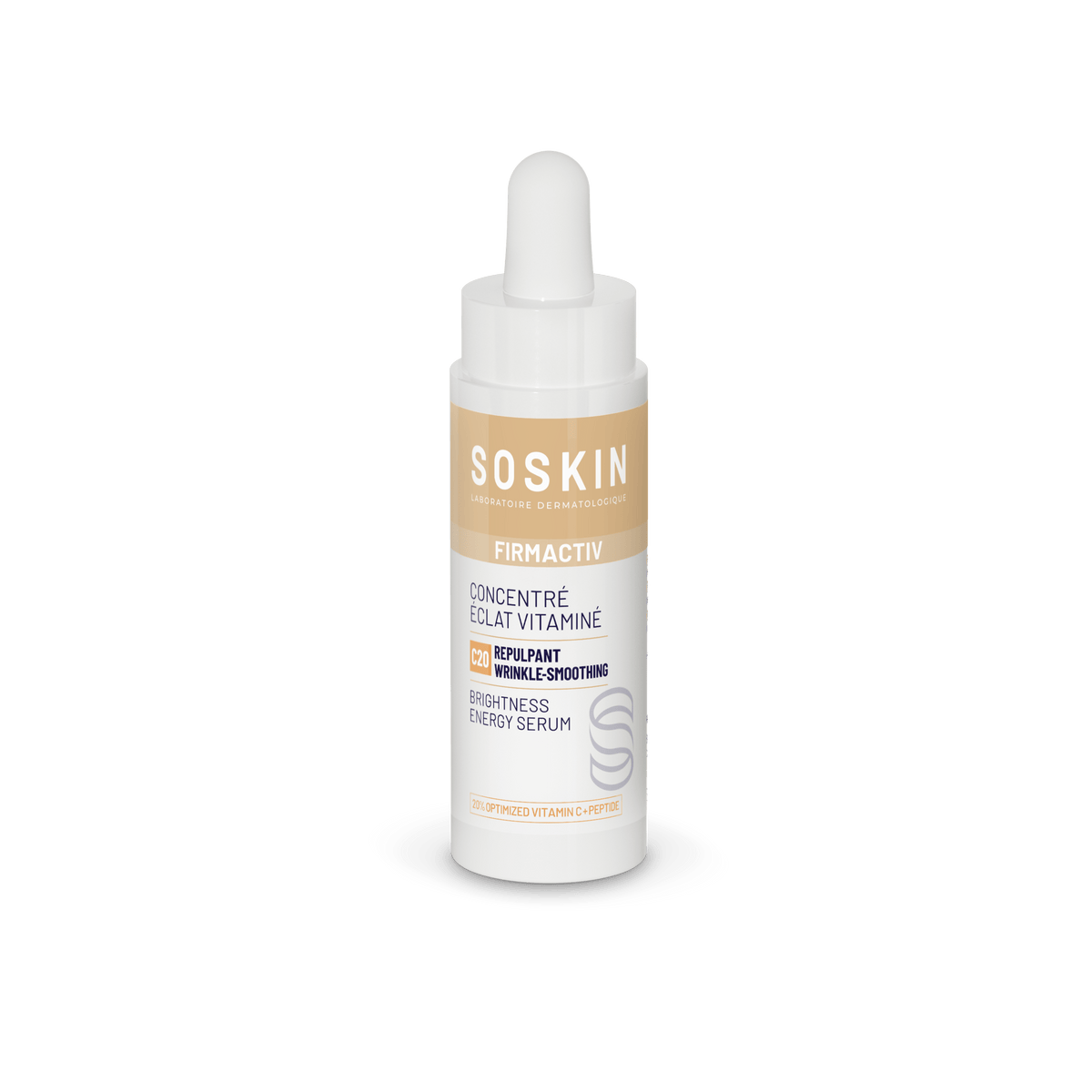
The SOSKIN anti-aging & radiance routine
This duet combines deep hydration with a smoothing and firming action, while revealing the natural radiance of the complexion.
Proven Benefits of Peptides for Skin
Let's move on to the concrete facts. Cosmetic peptides have proven themselves in numerous clinical studies. Here's what they really accomplish on your skin.
Reduction of fine lines and wrinkles
The numbers speak for themselves: regular use can reduce the appearance of wrinkles by 30% in 12 weeks. A study carried out on 25 participants with tetrapeptide-68 showed clear results from the fourth week, with peak effectiveness at 12 weeks. The roughness, depth and density of wrinkles all decreased significantly.
Palmitoyl tripeptide-1 applied morning and evening for a month reduced the length, depth and roughness of wrinkles. As for Argireline, it improves wrinkles around the eyes by 30% in just one month. These peptides mainly target sensitive areas: around the eyes, mouth and forehead.
Improved skin firmness
Where it gets interesting is when you measure firmness. Peptides encourage your skin to make more collagen and elastin, which strengthens the entire structure of the dermis. Result: skin elasticity improves by 15% after 4 weeks, with a reduction in wrinkles around the eyes of around 20%.
But there is more. Collagen fragmentation – the process that causes your skin to lose its structure – decreases by 18% after 4 weeks and up to 31% after 12 weeks. At the same time, collagen density increases by 9% after 4 weeks. Your skin literally regains its structure.
Strengthening the skin barrier
Peptides also act as gatekeepers. They reinforce this invisible barrier which Protects your skin against pollution, UV rays and all daily aggressions. This protection maintains hydration at an optimal level - studies show an increase in skin hydration by 28%.
This reinforced barrier reduces transepidermal water loss. Concretely, your skin retains its hydration better and remains more supple for longer.
Soothing and anti-inflammatory effect
Certain peptides calm inflammation dramatically. Palmitoyl tripeptide-8 reduces the increase in skin temperature caused by irritation by 78% on average. This property is a game changer for sensitive skin.
This anti-inflammatory action promotes natural skin repair and helps your skin better tolerate external aggressions. Less inflammation means less damage and skin that ages better.
Practical guide: using peptides effectively
Choosing the right peptide product
First reflex: look at the INCI list. Your peptides should appear in the first third. Further down the list? You are wasting your time and money.
Multi-peptide formulas beat mono-peptides every time. They combine several modes of action instead of relying on a single mechanism. Aqueous serums penetrate better than thick creams - logically, peptides need water to circulate.
Packaging matters a lot. Clear bottles destroy your peptides in light. Open jars oxidize them. Look for airless systems and opaque bottles. Question of pH too: between 5.0 and 7.0, your peptides remain stable. Too acidic? Connections break.
Integration into daily routine
Clean skin first. After cleanser and toner, before moisturizer. This sequence allows optimal penetration.
Morning and evening is the minimum. In the evening, you benefit from natural nighttime repair. In the morning, obligatory sun protection SPF 30+ - otherwise your new collagens will degrade under UV rays.
Application technique: 2-3 drops, light tapping on face and neck. No friction, peptides do not like mechanical attack.

Associations with other assets
Perfect marriages: hyaluronic acid, niacinamide, vitamin C, ceramides, antioxidants. These assets reinforce each other.
With the retinol, It's possible but be careful. Gradual introduction to avoid reactions. Alternate evenings at first.
Absolutely avoid: concentrated AHA/BHA at the same time. Their acidic pHs break down your peptides. Space them out at least 30 minutes apart or use them at different times.
Time before first results
Patience required. Hydration and texture improve in 1-2 weeks. The shine returns around 4 weeks. For firmness and wrinkles, allow 8-12 weeks - time for your collagen to completely renew itself.
Regularity is everything. Miss a few days? You are slowing down the process. Peptides work over time, not in express mode.
The scientific evidence is there, the mechanisms are clear. Now you know what to look for in your products and how to use them correctly.
The most important? Don't expect miracles overnight. Allow 8 to 12 weeks before you see the real changes in your skin. This is the time it takes for your cells to replenish their collagen and elastin stocks.
Stay regular in your applications, choose well-dosed formulas, and you should see your skin gain firmness and radiance. Peptides don't do magic, but they do solid work.