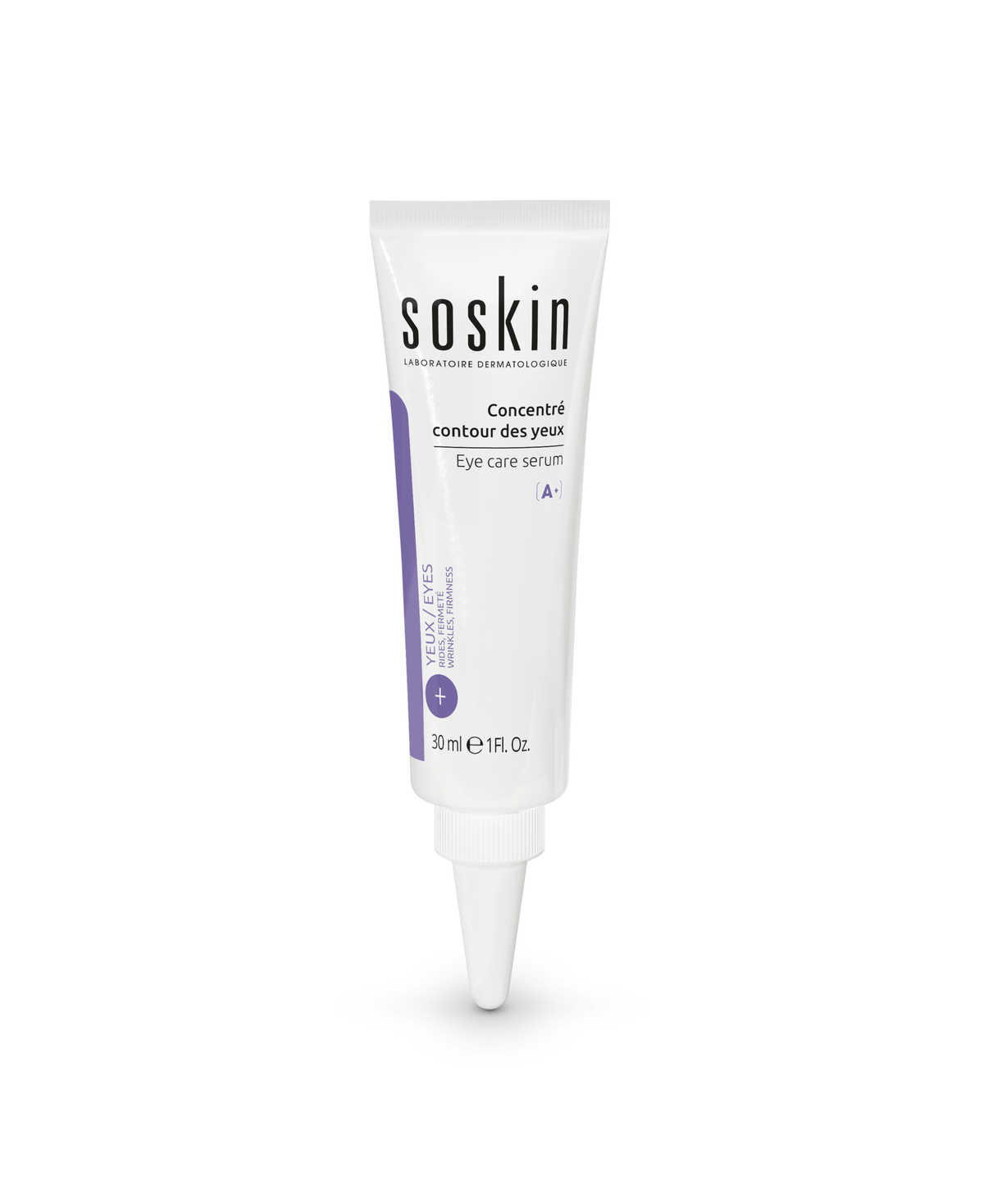


Peptides have become a buzzword in the skincare industry, and for good reason. When we talk about effective anti-aging ingredients, the combination of peptides and retinol stands out today as one of the most promising in cosmetics.
These tiny proteins, peptides, play a crucial role in the health of our skin, providing benefits such as improved elasticity, reduced wrinkles and optimal hydration. For their part, retinoids promote the skin's natural exfoliation mechanisms. Together, they form a particularly powerful peptide and retinol blend. Notably, one study evaluated a cream combining retinol and tripeptide on 20 participants for three months, demonstrating a significant improvement in skin texture and an increase in collagen levels.
In this article, we'll explore why these two active ingredients work so well together, how to properly incorporate them into your routine, and what precautions to take to maximize their benefits without compromising the skin barrier. Let's find out together how to make the most of this alliance for visibly younger and radiant skin.
Understanding Peptides and Retinol
To understand why the combination of peptides and retinol is so effective, let's first explore these two active ingredients individually.
What is a peptide?
The peptides are short chains of amino acids that act as the building blocks of essential proteins such as collagen, elastin and keratin. These proteins form the foundation of our skin, preserving its texture, strength and resilience. Without peptides, the skin gradually loses its integrity, leading to a decrease in firmness and the appearance of wrinkles.
When applied topically, peptides function as cellular messengers, instructing skin cells to perform certain specific functions. Among the different families of peptides, we find in particular signal peptides which stimulate the production of collagen and elastin, enzyme inhibitory peptides which slow down the degradation of structural components, and neurotransmitter peptides which reduce the muscular contractions responsible for expression lines.

What is a retinoid?
Retinoids are vitamin A derivatives used in cosmetics to stimulate cell renewal. Retinol, the most common form in skincare, is part of this family of active ingredients recognized for its effectiveness on skin aging, pigment spots and acne.
This powerful antioxidant acts in depth by accelerating cell renewal, promoting the elimination of dead cells that dull the complexion. Its exfoliating action also helps to unclog pores and regulate sebum production, making it an ally against imperfections.
Why combine them?
The combination of retinol and peptides stands out as one of the most promising combinations in cosmetics. While retinol accelerates cell turnover, peptides send signals to stimulate collagen production.
This alliance makes it possible to act on several levels: revival of cellular activity, support of the extracellular matrix and better skin tolerance. Together, they form a formidable team against the visible signs of aging.
The benefits of the peptide-retinol alliance
The combination of peptides and retinol represents a major advance in anti-aging care. Their complementary mechanisms of action provide more impressive results than when used separately.
Stimulation of collagen and elastin
The strength of this alliance lies first of all in its ability to boost the production of the two proteins essential for skin youth. Peptides act as messengers that “trick” the skin into thinking it has lost collagen, thereby triggering its natural production. At the same time, retinol stimulates fibroblasts, the cells responsible for synthesizing collagen and elastin. Together, they create an optimal environment for the turnover of these structural proteins.
Improved texture and firmness
The peptide-retinol combination visibly transforms the quality of the skin. Retinol accelerates cell turnover by removing dead cells that dull the complexion, while peptides strengthen the support structure. This double-sided action significantly improves skin texture, making skin smoother to the touch. Furthermore, the increase in dermal density provides new firmness, effectively countering age-related skin sagging.
Reduction of fine lines and wrinkles
The effect on wrinkles is particularly notable. Retinol has a gentle but effective exfoliating action that blurs surface fine lines. At the same time, peptides, particularly those from the neurotransmitter family, can relax the muscle contractions responsible for expression lines. This multi-level approach makes it possible to act on both existing wrinkles and their future formation.
Strengthening the skin barrier
One of the often overlooked benefits is the strengthening of the skin barrier. While retinol can sometimes weaken this barrier (causing irritation and sensitivity), certain specific peptides such as hexapeptides counterbalance this effect by consolidating the barrier function. This support is crucial to maintain optimal hydration and protect the skin against external aggressions.
This duo of active ingredients therefore acts as a true multi-function treatment, simultaneously attacking several signs of skin aging while preserving the overall health of the skin.
How to integrate the peptide and retinol mixture into your routine
Effectively integrating the peptide-retinol duo into your daily routine requires a strategic approach. Let's see how to maximize their benefits while preserving skin balance.
Order of application of products
First, apply peptides that prime your skin with essential hydration. Then introduce retinol which will work more effectively on this ideal base. This precise sequence optimizes the absorption of both active ingredients. After evening cleansing, proceed in this order:
-
Gentle cleanser
-
Peptide serum or cream
-
Retinol product
-
Nourishing moisturizing cream
Recommended frequency of use
For beginners, start with moderate use – twice a week for the first two weeks. Thereafter, if your skin responds well, gradually increase it to every other evening for two more weeks, then daily. This gradual introduction allows your skin to develop a tolerance to retinol.
Examples of morning/evening routines
Morning:
- Gentle cleanser
- Peptide serum
- Moisturizing cream
- Sunscreen SPF 30/50 (essential)
Evening:
- Cleaner
- Tonic (optional)
- Peptide serum
- Retinol product (adapted concentration)
- Rich repair cream
Tips for sensitive skin
For reactive skin, the “retinol sandwich” method is particularly effective: first apply a layer of moisturizer, then the retinol, and finish with another layer of moisturizer. Additionally, opt for encapsulated or slow-release formulations that significantly reduce irritation. Start with low concentrations (0.1% to 0.3%) and only increase if your skin responds well.
Precautions and mistakes to avoid
Although the peptide and retinol blend is powerful, some precautions are necessary to avoid unwanted effects.
Ingredients incompatible with peptides or retinol
Peptides lose their effectiveness when combined with strong acids. Salicylic acid and glycolic acid can destabilize their molecular structure. Likewise, benzoyl peroxide can oxidize and deactivate peptides. Regarding the retinol, avoid the association with pure vitamin C (L-ascorbic acid) which can reduce the effectiveness of both active ingredients.
Overdose and irritation
Retinol has a significant irritant potential, especially during the first weeks of use. This irritation manifests itself by redness, peeling and a feeling of heating. This phenomenon is explained by the acceleration of cell renewal which temporarily disrupts the skin barrier.
Combinations to avoid (acids, strong exfoliants)
Applying multiple exfoliants like AHAs, BHAs, and retinol at the same time can cause overexfoliation of the skin. This combination risks damaging the skin barrier, leading to redness, excessive dryness and increased sensitivity.
Alternation of assets to avoid conflicts
To enjoy the benefits without the drawbacks, take an alternating approach. Apply the acids in the morning and the retinol in the evening, or alternate them every other day. For sensitive skin, the “retinol sandwich” method (moisturizer-retinol-moisturizer) considerably reduces the risk of irritation.
Conclusion
Ultimately, the combination of peptides and retinol truly represents a revolution in the field of anti-aging care. These two active ingredients, although powerful separately, become exceptionally effective when combined judiciously. Their synergy offers a complete approach against the visible signs of skin aging.
Together, they act on several fronts: stimulation of collagen, improvement of texture, reduction of wrinkles and strengthening of the skin barrier. This strategic alliance therefore makes it possible to obtain visible and lasting results that each ingredient used in isolation could not achieve.
Nevertheless, respecting the precautions for use remains essential. A gradual introduction, particularly for retinol, as well as attention to incompatibilities with other active ingredients such as strong acids, will ensure a positive experience. Daily sun protection also remains essential to preserve the benefits obtained.
This peptide-retinol alliance certainly deserves its place at the heart of your anti-aging routine. Adapted to your skin type and used correctly, it will gradually transform your epidermis, restoring radiance, firmness and youthfulness. Patience and consistency will be your allies to take full advantage of this powerful but caring combination of active ingredients for your skin.