

Summer is a particularly demanding time for the skin. Between exposure to the sun, heat and pollution, it is subject to an often unknown but nevertheless central phenomenon: oxidative stress. This mechanism accelerates skin aging and alters skin quality.
Understand oxidation of the skin allows you to adopt the right actions to preserve your radiance and limit the visible effects of the sun. A preventive approach, combining sun protection and antioxidant care, is essential to maintain healthy and luminous skin.
What is skin oxidation?
Oxidation of the skin corresponds to an imbalance between the production of free radicals and the skin's ability to neutralize them. These free radicals are unstable molecules generated by external factors such as UV rays, pollution or stress.
When present in excess, they attack skin cells, degrade collagen and weaken the skin barrier. This phenomenon, called oxidative stress, is one of the main causes of premature aging of the skin.
Concretely, this results in a loss of radiance, an irregular texture and the gradual appearance of wrinkles and pigment spots. This process is natural, but it accelerates greatly in summer due to more intense UV exposure.
Why does the skin oxidize more in summer?
Summer brings together several factors that promote skin oxidation. The first is of course the sun. UV rays, especially UVA, penetrate deep into the skin and generate a significant amount of free radicals.
Heat also plays a role. It increases sebum production and can promote inflammation, which increases oxidative stress. Furthermore, dehydration linked to high temperatures weakens the skin and reduces its ability to defend itself.
Finally, pollution, often underestimated during the summer period, continues to attack the skin. Combined with UV, it amplifies the effects of oxidation and accelerates skin aging.
It is this combination of factors that explains why skin often appears duller, more tired and more marked at the end of summer.
What are the signs of oxidized skin?
Skin subjected to oxidative stress presents several visible signs. The first is the loss of shine. The complexion becomes duller, less uniform, and seems to lack vitality.
Pigment spots may also appear or intensify. Exposure to the sun stimulates the production of melanin, and oxidation accentuates this phenomenon.
We also observe an alteration in the texture of the skin. The skin texture becomes irregular, pores may appear more visible and the skin loses suppleness.
Over time, oxidative stress promotes the appearance of wrinkles and sagging skin. The skin becomes thinner, less elastic and more sensitive to external aggressions.
Identifying these signs allows you to act quickly and adapt your skincare routine.
How to protect your skin from oxidative stress in summer?
Protecting your skin from oxidation requires a global approach. It is not a single gesture, but a combination of complementary actions.
The first step remains sun protection. Daily use of sunscreen helps limit the direct impact of UV rays on the skin. It is an essential basis.
But the protection doesn't stop there. The antioxidants play a key role. They help neutralize free radicals and strengthen the skin's natural defenses.
Hydration is also essential. Well-hydrated skin is more resistant and better equipped to face external aggressions.
Finally, certain simple actions such as avoiding prolonged exposure during the hottest hours or gently cleansing your skin help to limit oxidative stress.
Antioxidants: essential active ingredients for the skin
Antioxidants are at the heart of the fight against skin oxidation. They work by neutralizing free radicals before they damage cells.
Among them, the vitamin C is one of the most recognized assets. It helps protect the skin, improves the radiance of the complexion and helps prevent pigment spots.
Vitamin E completes this action by strengthening the skin barrier and limiting dehydration. Polyphenols, present in certain plants, also provide valuable protection against environmental aggressions.
Integrating treatments rich in antioxidants into your routine helps strengthen the skin in depth and limit the visible effects of the sun.
What routine should you adopt to avoid skin oxidation?
Adopting a suitable routine is essential to prevent oxidative stress and maintain balanced skin during the summer.
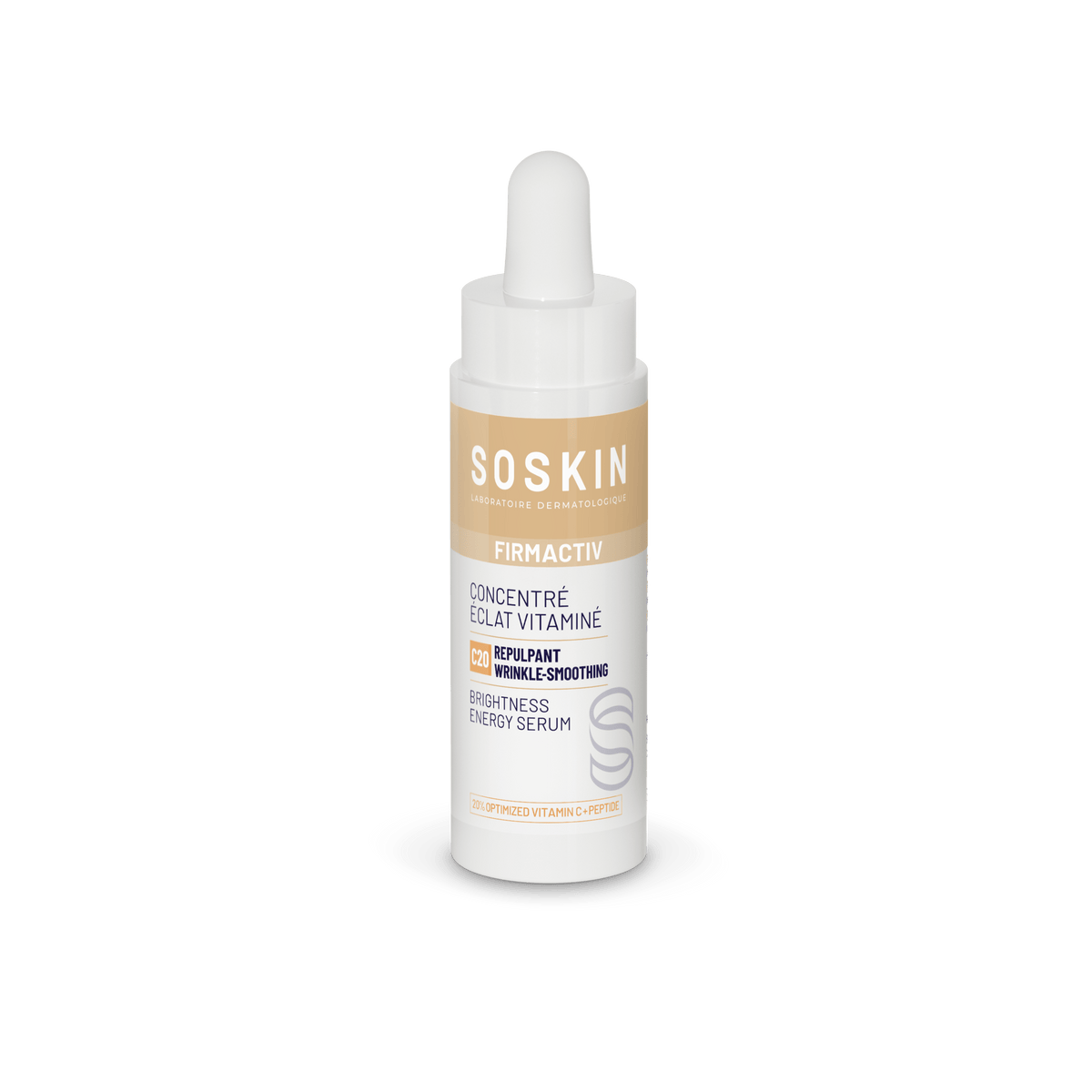
In the morning, it is recommended to apply an antioxidant treatment, such as vitamin C serum. This type of product acts as a shield against the aggressions of the day.
A moisturizing cream then strengthens the skin barrier and maintains the hydration level. Finally, applying sunscreen remains essential to protect the skin from UV rays.
In the evening, the routine should promote repair. Gentle cleansing helps eliminate impurities accumulated during the day. A moisturizing or restorative treatment then helps the skin to regenerate.
Regularity is essential. A routine followed over several weeks allows you to obtain visible and lasting results.
Mistakes that promote skin oxidation
Certain habits can accentuate oxidative stress without us being aware of it.
The lack of sun protection is the most common mistake. Even in the city, UV rays are present and can damage the skin.
The use of unsuitable or overly aggressive care can also weaken the skin barrier. Irritated skin is more vulnerable to free radicals.
Dehydration is another aggravating factor. Skin that lacks water loses resistance and radiance.
Finally, neglecting skin cleansing encourages the accumulation of impurities and accentuates the effects of pollution.
Correcting these errors can already significantly improve the quality of the skin.
Why anticipate skin oxidation before summer
Acting upstream is the best strategy to limit the effects of oxidative stress. Waiting for the signs to appear makes corrections more difficult.
By preparing your skin before summer, you strengthen your natural defenses and improve your ability to deal with aggression. Antioxidant treatments, used for prevention, help maintain a brighter complexion and more even skin.
This approach is part of a long-term logic. It is not only a question of preserving the appearance of the skin during the summer, but of protecting its skin capital over the long term.
Well-prepared skin is skin that resists better, recovers more quickly and maintains its natural radiance for longer.