

Redness, spots, itching, dull complexion... What if it wasn't just due to your care? Stress, whether occasional or chronic, leaves a real mark on the skin. A sensitive organ par excellence, it reacts directly to hormonal and emotional variations. Understanding this link is essential to learning how to protect your skin during periods of tension.
The close link between stress and skin
When we go through a stressful time, the body releases hormones like cortisol and theadrenaline. These chemical messengers have a direct impact on skin functioning:
- Cortisol increases sebum production, promoting imperfections.
- It also disrupts the skin barrier, which increases water loss and makes the skin more sensitive.
- Adrenaline, for its part, modifies microcirculation: the skin can appear paler, marked or tired.
In the long term, these imbalances accelerate the appearance of signs of aging and give the complexion a dull and uneven appearance.
How does stress manifest on the skin?
Each skin reacts differently, but certain signs recur frequently:
1. Blemishes and acne breakouts
Stress stimulates the sebaceous glands. Result: excess sebum, clogged pores and more pimples, even in adults.
2. Redness and irritation
A weakened skin barrier allows irritating agents to pass through more easily. The skin becomes reactive, prone to redness and feelings of discomfort.
3. Dull complexion and marked features
Under the effect of stress, the skin renews itself less effectively. It loses its shine and signs of fatigue set in more quickly.
4. Premature aging
Free radicals generated by oxidative stress degrade collagen and elastin. The result: skin sagging, fine lines and earlier loss of firmness.
How to protect your skin during times of stress?
The key lies in a global approach: combining appropriate care and healthy lifestyle.
1. Favor soothing and restorative treatments
Opt for gentle, non-foaming cleansers that respect the hydrolipidic film. Complete with a cream rich in protective and repairing active ingredients: ceramides, acid hyaluronic, niacinamide, vitamin B5. These ingredients help restore the skin barrier and soothe feelings of discomfort.
2. Integrate antioxidants into your routine
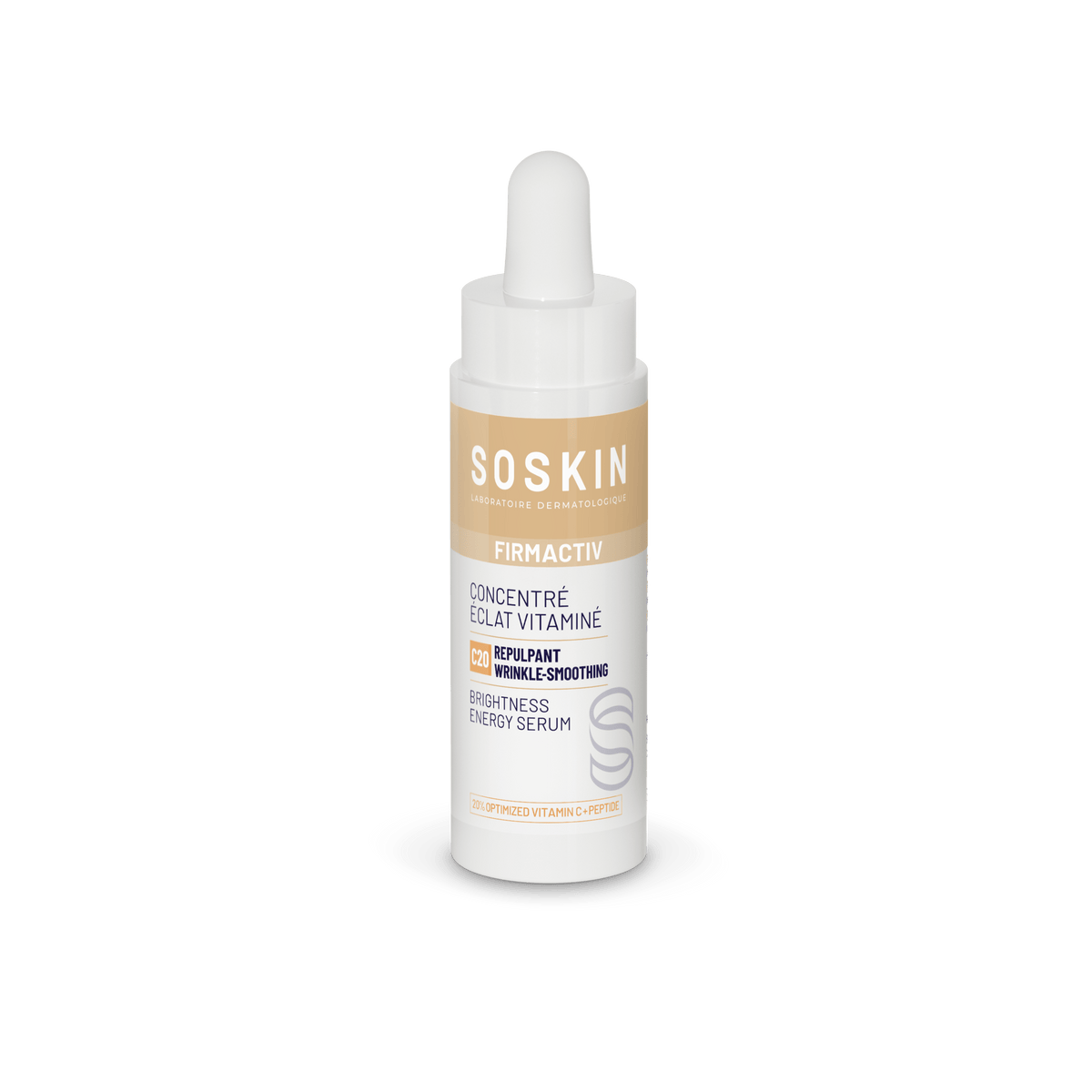
Vitamin C, vitamin E or resveratrol are valuable allies. They neutralize free radicals generated by stress and restore radiance to the skin.
3. Do not neglect the sun protection
Stress makes the skin more vulnerable to external aggressions, particularly UV rays. Daily sunscreen remains essential, even in town or on overcast days.
4. Take care of yourself from the inside
Restful sleep, balanced diet and hydration play a major role in skin resistance. Well-nourished and well-rested skin copes better with periods of tension.
5. Establish relaxation rituals
A care ritual can become a beneficial moment of break. Gently massaging your face with oil or applying a soothing mask not only benefits the skin: it is also a way to relieve mental pressure.
Conclusion
Stress not only affects our minds, it also leaves a visible mark on the skin. Imperfections, redness, loss of radiance or accelerated aging are all signals that should not be ignored. By adopting a gentle, protective routine rich in restorative active ingredients, while taking care of your overall well-being, it is possible to limit the effects of stress and preserve healthy, luminous and resilient skin.