

Black, purple, or brown circles under the eyes are a common aesthetic concern that affects people of all ages. The skin around the eyes is in fact 5 times thinner than on the rest of the body, which explains why black circles around the eyes are so visible and vary in color depending on their origin. Whether you're wondering why I have dark circles or how to remove dark circles effectively, we help you identify your type of dark circles and discover the right treatments. In this article, we explore the characteristics of the different types of dark circles, their main causes and solutions to reduce dark circles under the eyes.
The different types of dark circles: black, purple and brown
Black circles around the eyes: what are the characteristics? The term "dark circles" often refers to all discolorations under the eyes, but we must distinguish dark circles from other types. Dark circles themselves result from an accumulation of pigments which show through on the surface of the skin. This dark appearance can occur due to poor lymphatic circulation or overproduction of melanin. In times of stress or fatigue, the lymphatic vessels do not evacuate waste well, which causes an accumulation of visible pigments. Dark circles can also be hereditary, particularly in people with dark or mixed skin.
Purple or bluish dark circles: vascular origins Blue or purplish dark circles are the most common type. They can appear from childhood because they are not a sign of aging. These vascular dark circles result from a slowdown in blood and lymphatic microcirculation. The skin around the eyes allows the underlying blood vessels to show through due to its thinness. When blood circulation is slowed, blood stagnates in the vessels, creating this blue to purple tint visible through transparency. People with fair, thin skin are particularly affected. Lack of sleep, an unbalanced diet, smoking and chronic stress worsen the appearance of these dark circles.
Brown or pigmented dark circles: overproduction of melanin Brown circles result from excessive melanin deposition around the eyes. This hyperpigmentation mainly concerns dark phototypes, particularly between IV and VI according to the Fitzpatrick classification. Melanocytes produce melanin in excess, even without external aggression. This overproduction can be accentuated by exposure to the sun, which triggers the process of melanogenesis. Repeated friction during makeup and makeup removal also promotes a local inflammatory response. Brown circles can take on a yellow or brown color.
How to identify your type of dark circles: Identification begins by observing the color. If your dark circles appear blue to purple, they are probably vascular dark circles. To confirm, apply a cold compress for several minutes: if the dark circles fade, they are indeed vascular dark circles. Dark circles tend towards yellow-brown. However, dark circles can be mixed, combining several types. If in doubt, consult a dermatologist for an accurate diagnosis.
Why do I have black, purple or brown dark circles: the main causes
Genetic and hereditary factors: Genetic predisposition plays a major role in the appearance of dark circles under the eyes. If your parents have dark circles, you are more likely to develop them too. Genes determine several skin characteristics, including skin pigmentation and thickness. People with dark or black skin have naturally higher pigmentation, making dark circles more visible. Natural pigmentation variations are more pronounced in darker skin. Certain families have a genetic predisposition to accentuated pigmentation or to a skin structure favoring dark circles.
Fineness of the skin and vascularization: The skin under the eyes is only 0.5mm thick compared to around 2mm elsewhere. This extreme fineness makes the blood vessels much more visible and likely to show the color of the blood. The appearance of dark circles around the eyes is influenced by problems with blood and lymphatic microcirculation. When these systems are not functioning properly, blood and lymphatic fluid stagnate under the eyes, causing a buildup of waste and toxins.
Sun exposure and hyperpigmentation: Excessive exposure to UV rays increases the production of melanin, accentuating dark circles. Ultraviolet rays stimulate the production of melanin and initiate the process of melanogenesis. Furthermore, damage caused by the sun accelerates skin aging.
Fatigue, lack of sleep and lifestyle: Lack of sleep causes blood vessels under the eyes to dilate. Stress and fatigue contribute to their occurrence by causing an increase in cortisol levels and affecting blood circulation. An unbalanced diet and lack of hydration cause water retention and inflammation.
Aging and loss of volume: With age, the skin under the eyes becomes thinner and loses its elasticity. Decreased production of collagen and elastin causes a loss of firmness, leading to skin sagging. Loss of subcutaneous fat and reduced vascularity also contribute to the formation of hollow circles.
How to remove black and colored dark circles: treatments depending on the type
Treatments for purple and vascular dark circles: Several cosmetic active ingredients improve microcirculation to reduce vascular dark circles. Caffeine accelerates blood circulation, while vitamin K strengthens vascular walls and promotes lymphatic drainage. Immortelle essential oil inhibits the synthesis of nitric oxide, a compound contributing to fluid stagnation. A clinical trial carried out with 11 women demonstrated that application of patches containing 3% caffeine and 1% vitamin K for four weeks reduced the visibility of dark circles in all volunteers.
Carboxytherapy involves injecting purified carbon dioxide under the skin to dilate blood vessels and improve tissue oxygenation. One session per week for five to six weeks provides convincing results, with a significant improvement noted in 82.1% of people with vascular dark circles. The vascular laser emits at wavelengths between 500 and 600 nm to target hemoglobin and cause clotting of small vessels.
Solutions for brown and pigmented dark circles: Depigmenting creams contain ingredients like hydroquinone, kojic acid, vitamin C or azelaic acid which reduce the production of melanin. Vitamin C inhibits the activity of tyrosinase, the enzyme that converts tyrosine into melanin. Resorcinol also offers convincing anti-melanogenic results.
The Eye Contour Peeling Patch: the freshness effect in 10 minutes
The eye area is one of the finest and most sensitive areas of the face, often the first to betray fatigue or the passage of time. To remedy this without damaging the skin, SOSKIN has designed a targeted treatment combining gentle exfoliation and intense hydration: the Eye Contour Peeling Patch.
Thanks to their biocellulose texture, these patches adhere perfectly to the dark circle and provide gentle stimulation coupled with an immediate refreshing effect. In just 10 minutes of application, pigmented dark circles appear brightened, while fine lines and wrinkles – particularly around crow's feet – are visibly smoothed and faded.
Ideal as an evening treatment, once or twice a week, this express gesture can be easily integrated into any anti-aging or radiance routine, and is also valuable after a long-haul flight for an instantly rested look.
Discover the Eye Contour Peeling Patch →
Aesthetic medicine: injections and hyaluronic acid: Hyaluronic acid injections help reduce dark circles for 12 to 18 months. By redensifying the skin, they reduce the visibility of colored dark circles and fill in hollows. A clinical trial conducted with 49 patients obtained an average satisfaction of 9.97/10, with visible effects for approximately 12 months. The doctor injects the product between the bone and the muscle to thicken the skin of the lower eyelids and camouflage the blood vessels. The results obtained last between 10 and 12 months.
Laser treatments and depigmenting peels: The depigmenting peel targets melanin deposits and regulates their production. Dr. Kron favors the MESOPEEL MD PERIOCULAR peel composed of 30% glycolic acid, 14% salicylic acid and 5% phytic acid. To obtain optimal results, 3 to 5 sessions spaced 15 days apart are recommended. The result appears gradually one month after treatment. The fractional laser emits at a wavelength between 1064 and 1550 nm to target melanin and fragment melanocytes.
Cosmetic surgery: blepharoplasty and malar lift: Lower blepharoplasty Corrects hollow dark circles and removes excess fat causing puffiness. Nano lipofilling lightens the color of the dark circle by making the skin less transparent, while micro lipofilling reduces the depth of the dark circle line. The malar lift corrects hollow dark circles while repositioning the cheekbones and nasolabial folds. This procedure simultaneously treats the sagging of the central third of the face caused by aging.
Prevention and daily care to reduce dark circles
Adopt a healthy lifestyle: Quality sleep remains the basis of prevention. Sleep between 7 and 8 hours per night to allow your skin to regenerate. Adopt a regular schedule to regulate your sleep cycle. Reduce the consumption of alcohol and tobacco, which dehydrate the body and impair blood microcirculation. Stress also affects the appearance of dark circles around the eyes.
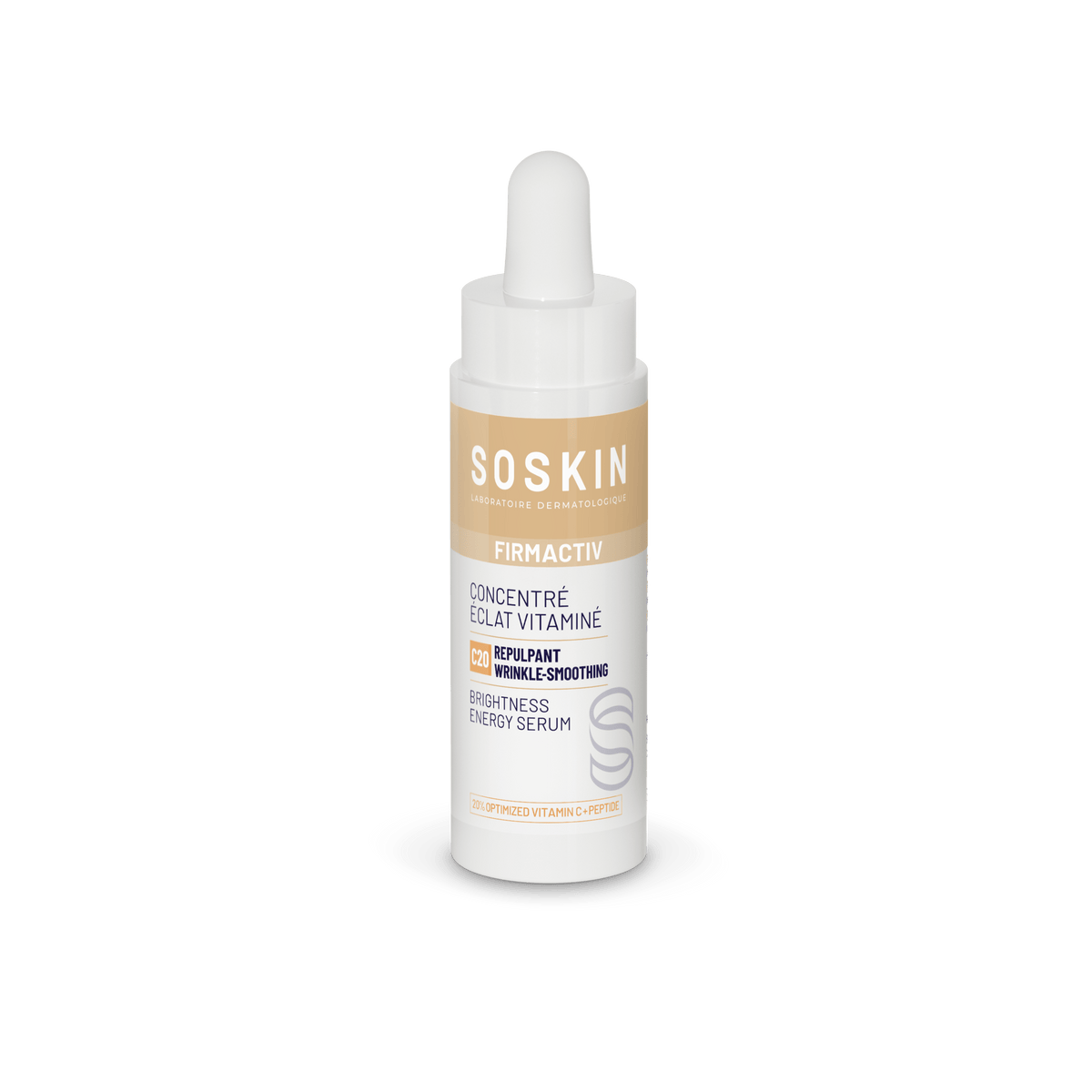
Sun protection and anti-pigment care: Apply SPF 50 protection daily, even in winter. UV rays stimulate the production of melanin and worsen dark circles. Use creams with lightening ingredients like vitamin C, kojic acid, or arbutin. These active ingredients reduce hyperpigmentation around the eyes.
Hydration and balanced diet: Drink at least 1.5 liters of water per day. Favor foods rich in vitamin C, iron and omega-3 to improve microcirculation. Reduce salt which promotes water retention and accentuates puffiness.
Natural remedies and eye contour care: Apply cooled tea bags for 15 minutes to decongest the eyes. Cucumber activates microcirculation thanks to its hydrating properties. Rose water has a relaxing power that is effective against dark circles under the eyes. Use a specific cream enriched with hyaluronic acid daily morning and evening.
Black, purple or brown dark circles certainly represent an aesthetic concern, but we now have solutions adapted to each type. Whether your dark circles are of vascular or pigmentary origin, the main thing remains to correctly identify their nature in order to choose the appropriate treatment. Furthermore, prevention plays a crucial role: a healthy lifestyle combined with targeted daily care will allow you to effectively reduce dark circles under the eyes.