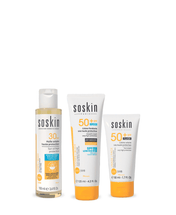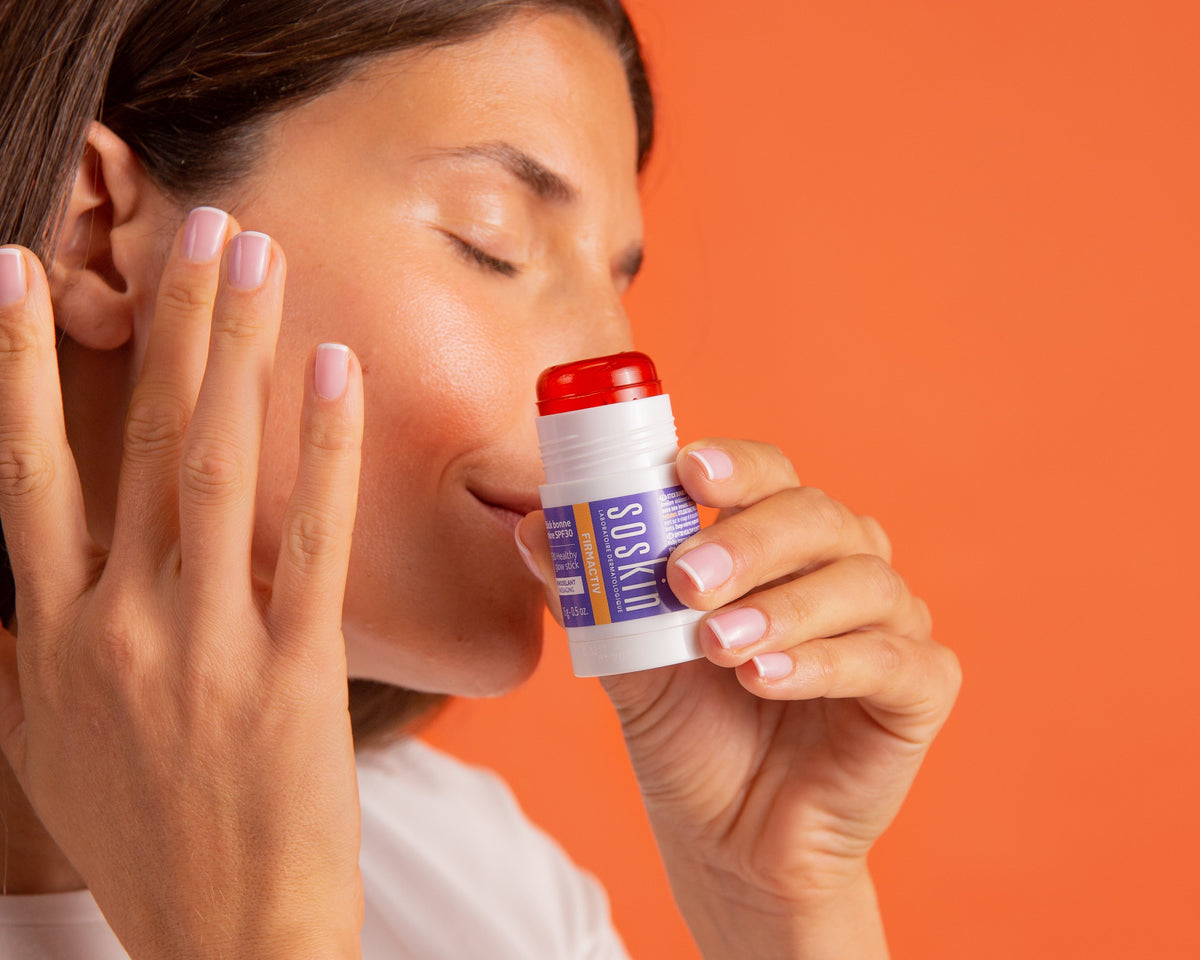


Finding the right anti-itching cream can transform the daily lives of people suffering from atopic skin. Soskin meets the needs of sensitive skin thanks to internationally recognized dermatological expertise. Restoring the skin barrier, often weakened in people suffering from atopic dermatitis, constitutes a major challenge in alleviating uncomfortable symptoms.
The appropriate atopic skin cream is an integral part of a complete routine. In fact, it is possible to effectively repair your skin barrier in no time with the right products and actions. For this, the best anti-itching cream must contain specific active ingredients and be integrated into a suitable care routine. Eczema sufferers can also find relief with a targeted eczema itching cream, combined with practical advice on active ingredients and care routine.
In this article, we will take a step-by-step look at how to build an ideal routine to restore the skin barrier of atopic skin, from cleansing to protection, deep hydration and restorative care.
Understanding atopic skin and its skin barrier
Atopic skin affects around 5% of adults in France. To properly treat it with a suitable atopic skin cream, you must first understand this skin phenomenon and its mechanisms.
What is atopic skin?
Atopic skin corresponds to a genetic predisposition to skin allergies. It is particularly vulnerable and reactive in the face of external aggression. This condition is not contagious but evolves chronically, through more or less intense outbreaks of eczema. Heredity plays a major role: with an atopic parent, the risk of developing this condition is 50 to 70%, and it rises to 80% if both parents are affected. Over the last thirty years, the number of cases of atopic dermatitis has doubled or even tripled in Western countries.
Why is the skin barrier weakened?
The skin barrier, also called the stratum corneum, represents the outermost layer of our epidermis. Normally, this barrier is maintained by a lamellar organization of intercellular lipids, mainly ceramides, cholesterol and free fatty acids. In atopic people, this structure is altered by a lack of protective lipids. Furthermore, genetic abnormalities affect certain essential proteins such as filaggrin, essential for barrier function.
In addition, the skin's naturally acidic pH (around 5.5) is often disrupted, which unbalances the skin microbiota and allows unwanted bacteria to proliferate. Recent studies have also shown that the proportion of Staphylococcus aureus increases drastically during eczema flare-ups.
Signs of a damaged skin barrier
A compromised skin barrier manifests itself in several characteristic signs. First, the skin becomes extremely sensitive and reactive to usual products. Redness and inflammation appear, accompanied by chronic dehydration despite regular application of creams.
Those affected feel intense itching, justifying the use of an effective anti-itching eczema cream. The skin also has a rough appearance, flakes easily and lacks radiance. In more severe cases, red patches and painful microcracks are observed.
These symptoms result from increased transepidermal water loss (TEWL), allowing allergens and irritants to penetrate, while allowing moisture to escape from the skin.
Step 1: Clean without damaging
Cleansing is the first fundamental step to restore a weakened skin barrier. For people suffering from atopic dermatitis, this phase requires special attention to avoid worsening the inflammation and itching which then requires an anti-itching cream.
Choose a gentle, soap-free cleanser
Daily hygiene remains essential even in cases of atopic eczema to avoid infections on this already vulnerable skin. However, atopic skin naturally lacks fatty substances. Therefore, it is absolutely necessary to ban classic soaps which emulsify the few lipids remaining on the skin.
Instead, choose:
- An emollient cleansing oil, the first effective anti-itching gesture
- A super-fatted cleansing gel or cream
- A syndet (synthetic detergent)
- A soap-free dermatological bar
These products clean effectively while preserving the hydrolipidic film, or even depositing a protective film on the skin. To maximize the effectiveness of your future atopic skin cream, choose cleansers specifically formulated for sensitive skin, without perfume or allergens.
Avoid water that is too hot
Water temperature plays a crucial role in preserving the skin barrier. Water that is too hot disrupts the hydrolipidic film and aggravates inflammation. For atopic skin, prefer lukewarm baths between 27°C and 30°C. Other sources suggest a temperature between 36.5°C and 40.5°C, which corresponds to very warm to slightly warm water.
Ideal cleaning frequency
European experts recommend a daily shower or bath of no more than 5 minutes, including shampoo. For extremely dry skin or during severe eczema flare-ups, limit yourself to three full showers per week. However, wash sensitive areas daily (face, folds, perianal region).
After showering, avoid rubbing your skin with the towel. Instead, prefer gentle tapping which preserves the integrity of the already weakened skin barrier. A single daily “soap” is enough, there is no need to strip your skin several times a day. If you practice a sporting activity requiring a second shower, simply rinse with clean water without using any cleaning product.
Step 2: Deeply moisturize and repair
After carefully cleansing the skin, deep hydration becomes essential to restore the weakened skin barrier. This step represents the heart of the daily treatment of atopic skin.
Rich creams and emollient balms
Emollients constitute the basis of care for atopic skin. These products combine moisturizing agents and lipids to nourish and soften the skin. Among the options available, we find different textures classified from the thickest to the most fluid: cerate, balm, cream and milk. The texture should be chosen according to the needs of your skin and the season - thick textures are best suited in winter, while fluid textures are preferable in summer.
Best anti-itching cream: what to choose?
To soothe itching, choose emollient anti-itching balms which quickly reduce the sensation of irritation. These formulas soothe inflammation while deeply hydrating the skin. For example, A-Derma's Anti-Itching Emollient Balm made with Rhealba Oat soothes lasting redness and inflammation.
Repair serums for atopic skin
Serums offer targeted and concentrated action. Bi-phasic formulas combining an aqueous phase and an oily phase are particularly effective in restoring the skin barrier. These serums instantly soothe redness and itching from the first application.
Ingredients to favor (ceramides, hyaluronic acid)
Certain ingredients are essential to repair the skin barrier:
- Ceramides: lipids naturally present in the skin (around 50% of its composition), they act like a cement between cells
- Hyaluronic acid: capable of retaining up to 1000 times its weight in water, it provides deep hydration
- Glycerin: relieves and MOISTURISES deep skin
- Urea: MOISTURISES while reducing scales
When to apply atopic skin cream?
Apply your atopic skin cream morning and evening to clean skin. For maximum effectiveness, apply it immediately after showering or bathing, when the skin is still slightly damp. This habit helps lock in moisture and strengthen the moisturizing action. During periods of flare-ups, increase the frequency of application to relieve symptoms more quickly.
Step 3: Protect and prevent attacks
Protecting atopic skin against external aggressions represents the last fundamental step in maintaining a healthy skin barrier. This daily protection is essential to prevent painful outbreaks.
Use a suitable sunscreen
Exposure to UV rays can worsen inflammation in atopic skin. In particular, polluting particles become more reactive when exposed to UVA rays. For this reason, applying high-index sun protection (SPF50+) is essential. Choose formulas specifically designed for sensitive skin, without perfume or alcohol.
Adapt your routine according to the seasons
The cold reduces blood circulation and sebum production, further weakening the skin barrier. In winter, opt for richer and nourishing balms. Conversely, during the summer, lighter textures may be sufficient while maintaining regular hydration. Dry air from radiators also promotes dehydration – ventilate your rooms regularly and place a bowl of water near heat sources to maintain a suitable humidity level.
Limit irritating factors (clothing, pollution)
Several environmental factors can trigger eczema flare-ups:
- Clothing: favor natural fabrics such as cotton, linen or silk, and loose clothing that limits friction.
- Air pollution: fine particles (PM2.5) can penetrate the epidermis and worsen inflammation
- Household products: avoid harsh chemicals containing volatile organic compounds
Anti-itching eczema cream: prevention of attacks
To effectively prevent attacks, always keep a portable anti-itching cream with you. Formulas like the LIPIKAR AP+ Stick can replace the scratching reflex and instantly relieve itching. Regular application is generally enough to reduce itching by 95% from the first weeks of use. Certain special nighttime formulas, such as EXOMEGA Control Night, specifically target intense nighttime scratching for twice as restful sleep.
Conclusion
Atopic skin therefore requires special attention and appropriate care to effectively restore its skin barrier. Indeed, understanding the mechanisms of this condition is the first step towards lasting relief. People suffering from atopic dermatitis can now regain control of their skin comfort thanks to a simple but effective routine.
Firstly, cleaning represents a crucial phase that is often neglected. Using soap-free products, lukewarm water and pat drying preserves the skin's precious natural lipids. Secondly, regular application of emollients rich in ceramides, hyaluronic acid and glycerin allows for in-depth repair of the weakened skin barrier. Finally, protection against external aggressions, whether UV, cold or irritants, completes this overall strategy.
Over time, this well-established routine brings visible results. Itching is considerably reduced, redness fades and the skin regains suppleness and comfort. Specifically formulated anti-itch creams play a vital role in this healing process.
Of course, living with atopic skin remains a daily challenge. However, adapting your routine according to the seasons and carefully listening to the specific needs of your skin allows you to maintain positive results in the long term. Consistency in the application of these treatments remains the key to soothed skin.
Thus, thanks to dermatological advances and specific formulations, people suffering from atopic eczema can today benefit from significantly improved skin comfort. Restoring a functional skin barrier is no longer an unattainable dream but a reality within reach.