

Every fine line on our face can turn into a deep wrinkle over time. This development is not inevitable, but rather the result of skin mechanisms that we can understand and slow down. Cellular renewal weakens from the age of 25, while wrinkles generally appear from the age of 30 and deepen from the age of 40. We observe in particular that fine lines around the eyes and around the mouth form in areas where the skin is thinnest and fragile[-3]. Understanding the difference between wrinkles and fine lines as well as the factors that accelerate their appearance will allow you to adopt the right actions to preserve the youthfulness of your skin.
Fine lines definition: understanding these first signs of aging
The characteristics of facial fine lines
Fine lines appear as small, shallow furrows that mark the epidermis in areas where the skin is thinnest. These fine lines are among the first signs of skin aging and can appear from the age of 25. Unlike wrinkles, they settle in the superficial hollows of the skin, creating a slightly wrinkled appearance. All skin types can be affected by these small folds, including oily skin which also requires appropriate hydration. Less efficient cell renewal favors their appearance when fibroblasts naturally decrease over time.
Dehydration lines vs. expression lines
Two types of fine lines are distinguished by their origin. Dehydration lines result from a lack of water in the skin and free radicals emitted by external aggressions. They appear around the eyes, cheeks and forehead. These superficial fine lines can deepen and transform into wrinkles with the gradual loss of elasticity. Indeed, when the cells located on the surface lack water, the skin loses its elasticity and develops these fine lines. Expression lines, on the other hand, are caused by repetitive movements of facial muscles. They are located at the level of the crow's feet, between the eyebrows and on the forehead. Every smile, frown, or squint of the eyes contributes to their formation.
Vulnerable areas: fine lines around the eyes and mouth
The eye area is an extremely fragile area. The skin of the eyelids is 4 to 5 times thinner than that of the rest of the face and practically devoid of sebaceous glands[31]. This area has 22 muscles that are constantly in motion and the eyelids blink an average of 10,000 times per day. Furthermore, the concentration of collagen, elastin and hyaluronic acid is naturally lower. Around the mouth, several types of fine lines form. Barcode wrinkles appear as numerous small parallel streaks above the upper lip. The folds of bitterness start from the corners of the lips towards the chin, while the nasolabial folds descend from the wings of the nose to the corners of the mouth.
What is the difference between wrinkles and fine lines?
Depth and visual appearance of skin furrows
The difference between wrinkles and fine lines mainly depends on the depth of the skin furrow. Fine lines are fine, superficial lines that mark the surface of the epidermis. They create a slightly wrinkled appearance and remain discreet to the eye. On the other hand, wrinkles are depressions that are generally more than a millimeter deep. These more or less deep linear furrows mark the skin of the face, neck and décolleté. Wrinkles are visible even when facial muscles are at rest, making the skin look tired and older.

Distinct mechanisms of appearance
Fine lines mainly form due to dehydration of the skin. Unlike wrinkles, fine lines are a marker of dehydration. Our skin produces less and less hyaluronic acid and ceramides with age, so it has more difficulty attracting and retaining water. Furthermore, repeated facial movements contribute to their appearance. Expression lines result from gestures in our daily lives: smiling, frowning, squinting. These movements constantly use the same muscles and end up marking the skin. Over time, hyaluronic acid, elastin and collagen fibers which serve as a framework for the skin become rare and fragmented. Its natural foundations become fragile and the skin loses the firmness and tone of its youth. The epidermis gradually sags in its deeper layers, which causes visible folds.
How does a fine line develop into a wrinkle?
A simple fine line can turn into a wrinkle over time. Treated in time, these fine lines can even disappear. However, if the skin lacks water or if it is exposed to external aggressions, they can intensify. Around 25-30 years of age, these are essentially dynamic wrinkles which disappear on their own when the face is at rest. Over the years, these dynamic wrinkles end up settling and deepening: they become static wrinkles, more requiring care. As skin sagging progresses, wrinkles gradually spread to the rest of the face, but also to the neck and décolleté.
Factors that accelerate skin aging
Internal factors: genetics, hormones and oxidative stress
Genetic heritage determines your skin type and directly influences biological skin aging. The chromosomes carrying the genetic heritage shorten over time, which causes cell multiplication to stop. Hormones also play a major role in the appearance of the epidermis. Indeed, thyroid and sexual hormones influence the growth and quality of the skin. The drop in hormonal secretion observed over time contributes to skin aging.
Oxidative stress constitutes one of the major processes of aging. Free radicals produced by the body damage proteins, lipids in cell membranes and DNA. These unstable molecules degrade collagen and elastin, leading to wrinkles and sagging skin. Chronic stress is one of the most dangerous factors of aging. Cortisol, the stress hormone, maintains inflammation, disrupts sleep and accelerates the breakdown of collagen.
External factors: UV, pollution and lifestyle
UV rays represent the primary cause of skin aging. It is estimated that 80% of premature skin aging is caused by repeated exposure to the sun without protection. UVA and infrared rays penetrate deep into the skin, degrading its essential elements. Pollution amplifies the effects of solar radiation on the skin. Fine particles weaken the skin barrier and induce inflammation.
Tobacco degrades hyaluronic acid and causes poor elastin production. Nicotine causes blood vessels to constrict, reducing the supply of oxygen and nutrients. A diet high in sugar triggers glycation. Sugar molecules attach to collagen, making it stiff and brittle. Excessive consumption of refined sugars stiffens collagen fibers and promotes the appearance of wrinkles.
The role of dehydration in the formation of fine lines
Dehydration occurs when the protective film of the epidermis is damaged or when evaporation causes water reserves to decrease. Pollution, urban stress, wind and temperature changes lead to skin discomfort and the formation of small wrinkles. Heating in winter or air conditioning in summer dries the ambient air, which increases water loss from the skin.
Prevent and treat fine lines and wrinkles effectively
Sun protection and daily hydration
Applying SPF 50 sunscreen daily is the most effective preventive measure against facial wrinkles. UVA rays destroy collagen fibers and accelerate premature aging of the skin. This protection must be renewed approximately every 2 hours during prolonged exposure. Drinking at least 1.5 liters of water per day maintains skin hydration from the inside. A morning and evening moisturizing cream containing antioxidants such as vitamins C and E protects the skin against external aggressions.
High-performance cosmetic active ingredients for the face
Hyaluronic acid retains up to 1000 times its weight in water and plumps the skin to reduce fine lines. Retinol stimulates collagen production and improves the epidermis, but requires nighttime application followed by sun protection the next day. Vitamin C has lightening and antioxidant properties that protect the skin from free radicals. Peptides boost the synthesis of collagen fibers and stop the process of hyaluronic acid degradation. For the first fine lines, the ConcentD Radiance Vitamin and the Firmactiv Anti-Wrinkle Cream offer targeted preventive action.
Targeted care for fine lines under the eyes and around the mouth
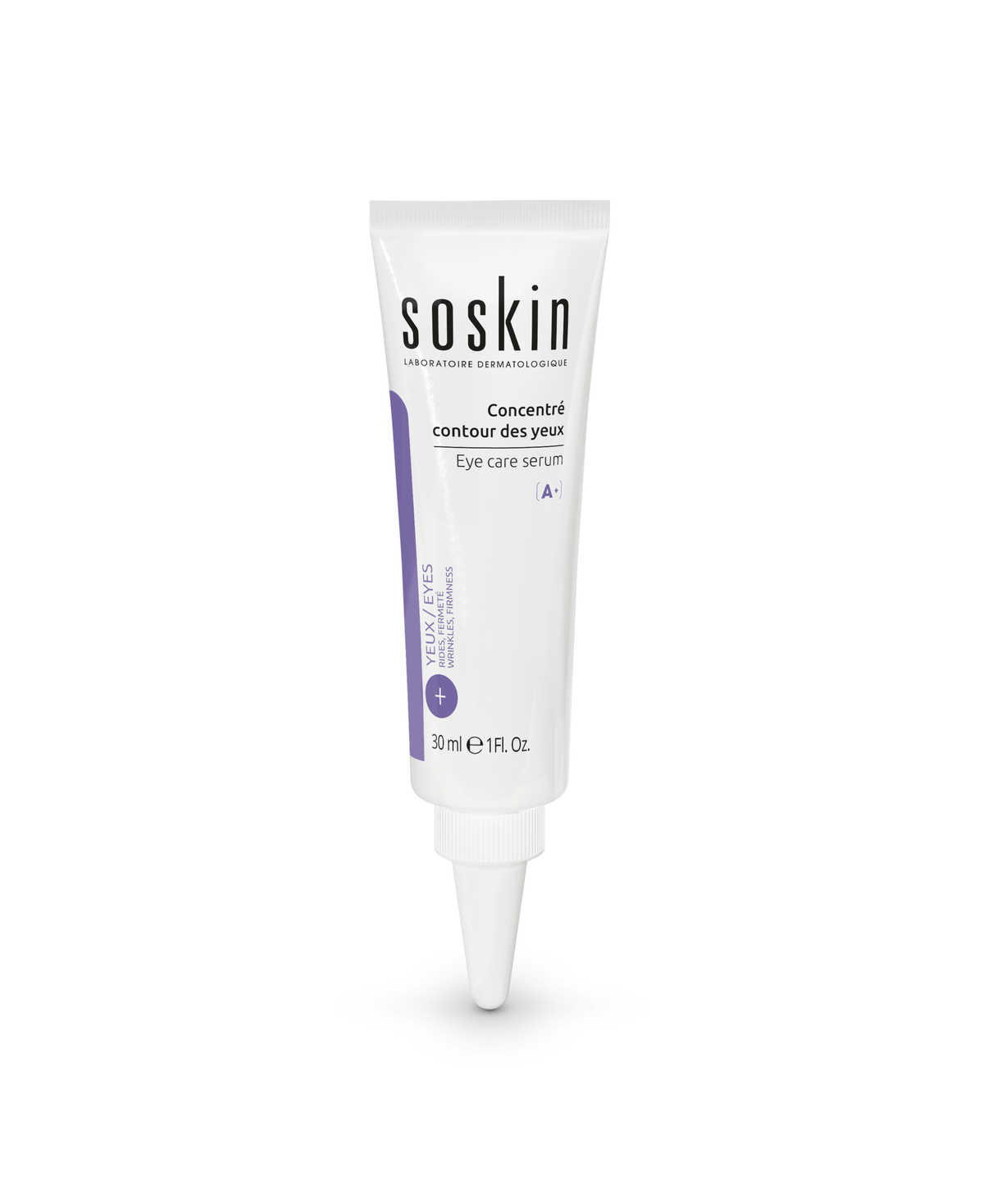
The eye area requires specific care formulated without perfume and tested under ophthalmological control. Applying a suitable treatment morning and evening hydrates this fragile area and reduces dark circles. For deep wrinkles, the Deep Wrinkle Filler fills the marked furrows. The Eye Contour Concentrate specifically targets fine lines and crow's feet. Around the mouth, these treatments smooth barcode wrinkles and redefine the lip contour.
Professional aesthetic treatments
Hyaluronic acid injections immediately fill in wrinkles and last between 9 and 18 months. The skinbooster deeply hydrates the dermis without adding volume and stimulates collagen production. Fractional radiofrequency combines microneedling and radiofrequency to massively stimulate collagen production, requiring 3 sessions spaced 4 to 6 weeks apart. Fruit acid peeling removes dead cells and promotes cell regeneration. These treatments offer visible results from the first session.
Adopt an anti-aging lifestyle
A diet rich in fruits, vegetables and foods containing omega-3 preserves the youthfulness of the skin. Salmon, tuna and olive oil provide the good fats necessary for hydrated skin. Sleeping between 7 and 9 a.m. each night allows the skin to regenerate. Facial gymnastics practiced for 5 to 10 minutes a day strengthens the facial muscles. Quitting smoking significantly improves lung function and quality of life, as former smokers fare as well as those who have never smoked.