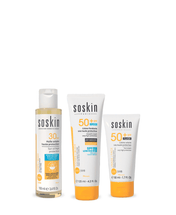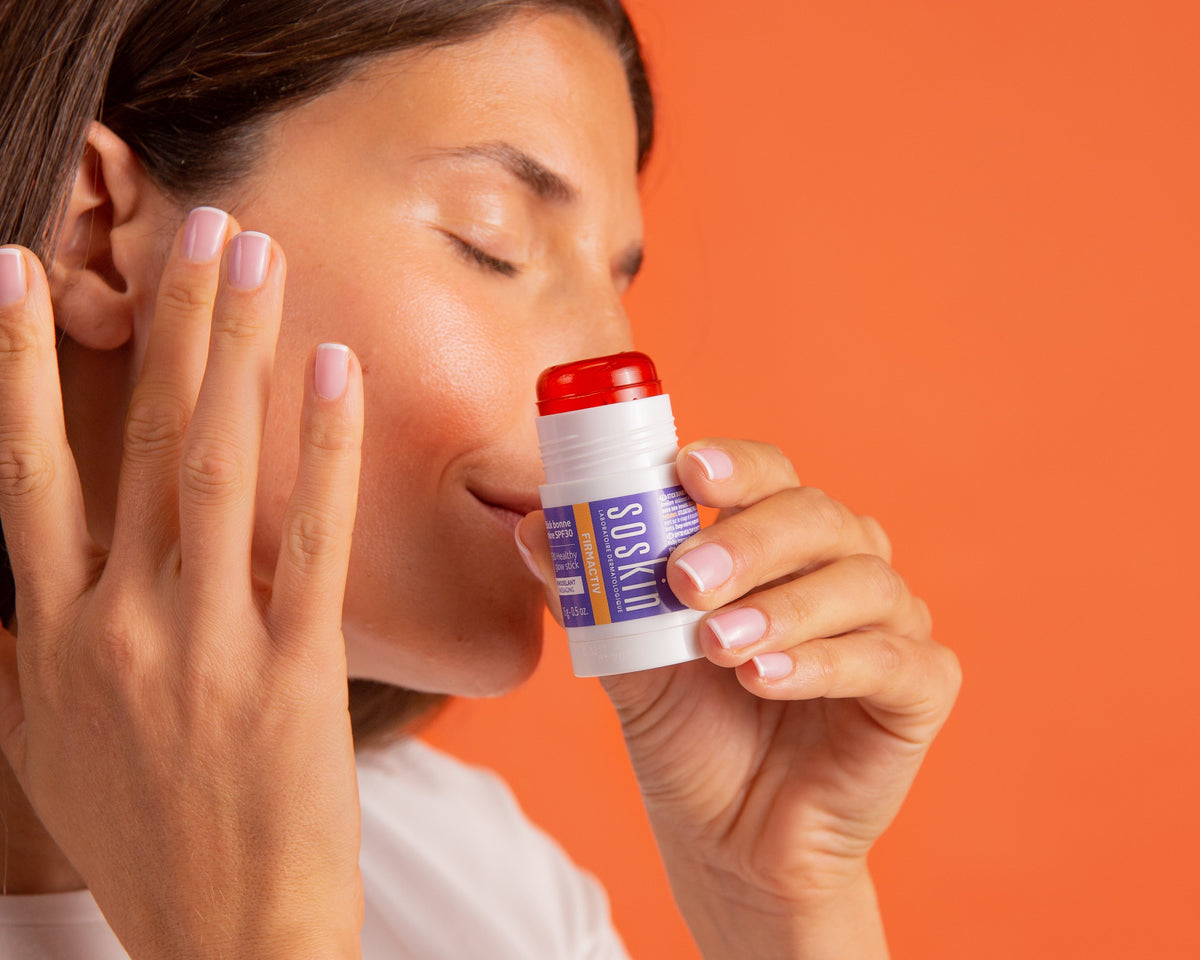


Active ingredients for dry skin are essential when you suffer from tightness and skin discomfort. Indeed, dry skin is a hereditary type which requires appropriate daily care to strengthen its hydrolipidic film. Hyaluronic acid, the undisputed star of these active ingredients, can retain up to 1000 times its weight in water, thus providing exceptional hydration with an increase of 133% after just 8 hours of application.
In this article, we will explore the best nourishing active ingredients such as ceramides, which represent almost 50% of skin lipids, as well as soothing active ingredients such as panthenol with antibacterial and healing properties. We'll also look at how squalane and shea butter can transform dehydrated skin into comfortable skin. If you are looking for effective solutions against daily flaking and itching, you have come to the right place.
Understanding the needs of dry skin
To properly treat dry skin, I must first understand its mechanisms. Contrary to popular belief, it's not just a matter of applying any moisturizer. A targeted approach with specific active ingredients is necessary to restore skin balance.
Difference between dry skin and dehydrated skin
These two conditions are often confused but fundamentally different. Dry skin is a constitutional, genetically determined skin type characterized by a lack of lipids. It produces less sebum than normal and has an insufficient hydrolipidic film. It is a permanent condition that requires constant care with nourishing active ingredients.
On the other hand, dehydrated skin lacks water, not lipids. It is a temporary condition that can affect all skin types, even oily. It results from external factors such as climate, pollution, or inadequate care. Skin can therefore be both oily and dehydrated, contrary to popular belief.
Why the skin barrier is weakened
The skin barrier, our natural shield, is mainly composed of cells called corneocytes linked together by a lipid cement made of ceramides, cholesterol and essential fatty acids. In dry skin, this barrier presents structural deficiencies:
- Insufficient production of skin lipids
- Natural hydration factor (NMF) deficiency
- Slowed cell renewal
- Fragility of intercellular junctions
These deficiencies allow excessive evaporation of water, called Insensible Water Loss (IWL). Furthermore, external aggressions penetrate more easily, creating a vicious circle of inflammation and dryness.
Visible consequences on the skin
The weakening of the skin barrier leads to concrete and uncomfortable manifestations. First, the feeling of tightness, particularly after cleaning. Then, the rough and dull appearance due to dead cells which accumulate irregularly.
Scales (small skin that comes off) appear, especially on the cheeks and forehead. The skin lacks elasticity and dehydration lines form more easily. During sudden weather changes, redness may appear, a sign of increased reactivity.
In the long term, without appropriate soothing active ingredients, dry skin ages prematurely. Wrinkles set in more quickly due to lack of elasticity. The weakened skin barrier also becomes more vulnerable to allergens and irritants, increasing the risk of chronic inflammation.
To counter these phenomena, I must select active ingredients for dry skin that simultaneously target hydration, nutrition and soothing.
The best moisturizing active ingredients for dry skin
Hydration represents the first challenge for dry skin. Having identified its specific needs, I will now explore three essential hydrating active ingredients that form the basis of an effective routine.
Hyaluronic acid: deep hydration
Hyaluronic acid stands out as an essential active ingredient for dry skin. This molecule naturally present in our body has an extraordinary capacity: retaining up to 1000 times its weight in water. This exceptional moisturizing power allows it to act like a true molecular sponge.
Unfortunately, our production of hyaluronic acid decreases as we age. From the age of 20, its synthesis slows down, then accelerates further around the age of 40. As a result, the skin loses elasticity and volume.
SOSKIN Rehydrating Hyaluronic Serum


When applied topically, hyaluronic acid penetrates the upper layers of the epidermis to form a “soft mattress” that visibly plumps the skin. It also strengthens the skin barrier, helping to prevent dehydration.
Vegetable glycerin: capture and retain water
Vegetable glycerin, derived from natural fats, is a powerful humectant. Its hygroscopic power allows it to absorb water and return it to the skin when it is lacking. It acts as a natural hydration factor in our skin film.
For optimal effectiveness on dry skin, experts recommend a dosage of 2 to 5% in face cream formulations. At this concentration, it intensely hydrates without risk of adverse effects – because paradoxically, at concentrations higher than 15-20%, it could dry out the skin.
Furthermore, glycerin improves the application of emulsions while giving a soft feel to the skin. It is particularly suitable for rough areas such as the hands and feet, where its dosage can be increased by up to 8%.
Aloe vera: soothing and regeneration
Made up of 98% water, aloe vera constitutes a soothing active ingredient ideal for dry skin. Beyond its immediate moisturizing power, it creates a protective film which helps the epidermis preserve its hydration.
Its richness in vitamins, minerals and amino acids gives it valuable regenerating properties. It notably stimulates cell renewal and collagen production thanks to its components such as lectin.
In addition, aloe vera has anti-inflammatory properties that instantly soothe irritation and redness often associated with dry skin. This triple action – hydration, regeneration and soothing – makes it a complete active ingredient to restore the comfort of dehydrated skin.
Nourishing active ingredients to strengthen the skin barrier
Beyond hydration, nutrition represents the second fundamental pillar for restoring the comfort of dry skin. Here are the nourishing active ingredients which effectively rebuild the weakened skin barrier.
Ceramides: restore natural lipids
Ceramides constitute approximately 50% of the intercellular lipids of the stratum corneum. These molecules act like a real “cement” between the skin cells, limiting water loss and strengthening our skin barrier. With age, winter or certain pathologies such as atopic dermatitis, their production naturally decreases.
When applied topically, ceramides create a biomimetic lamellar structure that perfectly mimics our natural lipids. They fulfill three essential functions: maintaining hydration by creating a protective layer, defense against external aggressors and stimulation of cell regeneration.
Vegetable oils: nutrition and protection
Vegetable oils, concentrated in essential fatty acids and vitamins, effectively restore the hydrolipidic film. They penetrate deep into the layers of the epidermis for a lasting nourishing action.
Among the most effective, avocado oil, particularly rich in essential fatty acids and vitamin E. It significantly strengthens the skin barrier while reducing dehydration. For sensitive skin, sweet almond oil soothes irritation while jojoba oil, close to natural sebum, forms an ideal protective film.
Shea butter: rich and restorative emollient
Shea butter is a treasure for dry skin thanks to its richness in fatty acids (stearic and oleic) and vitamins A and E. Its exceptional emollient power strengthens the lipid phase of the skin barrier, thus limiting transepidermal water loss.
Furthermore, its natural anti-inflammatory components such as lupeol cinnamate effectively reduce redness and irritation often associated with dry skin. In addition, the phytosterols it contains actively participate in cellular repair, restoring elasticity and skin comfort.
Complementary active ingredients to soothe and protect
To complete an effective routine, certain soothing active ingredients offer additional protection to dry skin. These ingredients specifically target feelings of discomfort while strengthening the epidermis' natural defenses.
Panthenol (vitamin B5): cell regeneration
Panthenol, a water-soluble derivative of vitamin B5, acts as a powerful humectant that locks in moisture in the upper layers of the skin. From a concentration of 5%, it significantly promotes the healing of skin micro-lesions. Its regenerative action stimulates the renewal of keratinocytes and the proliferation of fibroblasts, thus accelerating epidermal repair. Furthermore, its anti-inflammatory effect comparable to hydrocortisone soothes irritations and redness common on dry skin.
Vitamin E: antioxidant and lipid-replenishing
This fat-soluble vitamin, present in the form of alpha-tocopherol, constitutes a valuable antioxidant shield against oxidative stress. It also strengthens the skin barrier by limiting transient water loss. Ideal for dry and mature skin, it improves elasticity and hydration by strengthening the hydrolipidic film. Its association with vitamin C and beta-carotene maximizes its effectiveness.
Immortelle: natural anti-inflammatory
Nicknamed “the oil of bumps and bruises”, immortelle has powerful anti-inflammatory properties thanks to the neryl acetate it contains. It instantly calms irritation and redness while stimulating skin micro-circulation. In addition, its regenerative properties promote healing and repair of damaged tissues.
Squalane: lightweight, long-lasting hydration
Vegetable squalane, derived in particular from olives or sugar cane, has a remarkable affinity with the skin thanks to its similarity to our natural lipids. This non-greasy emollient active ingredient penetrates quickly to form a light protective film that prevents dehydration. Its silky, non-comedogenic texture is perfect for dry, sensitive skin.
Conclusion
At the end of this overview of essential active ingredients, we now understand why a suitable routine truly transforms dry skin. Hyaluronic acid has indeed established itself as the star of deep hydration, while vegetable glycerin and aloe vera admirably complete this first fundamental step.
Skin nutrition certainly represents the second essential pillar. Ceramides, real “bricks” of our skin barrier, work in concert with vegetable oils and shea butter to rebuild the deficient hydrolipidic film. This powerful combination then allows you to regain comfort and flexibility.
Furthermore, soothing active ingredients such as panthenol, vitamin E, immortelle or squalane offer additional protection against daily aggressions. Their targeted action therefore considerably reduces feelings of tightness and discomfort.
However, each dry skin has its own particularities. The main thing ultimately remains to build a complete routine combining hydration, nutrition and protection. This global approach, applied consistently, will gradually transform your fragile skin into comfortable and radiant skin. More than just a question of aesthetics, taking care of dry skin becomes above all a guarantee of daily well-being.