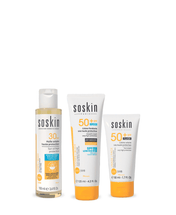


Vitamin C has become a staple in the world of skincare, touted for its exceptional antioxidant properties and numerous benefits. In this article, we explore the multiple benefits of incorporating vitamin C into your daily skincare routine.
What is vitamin C?
Vitamin C, also known as ascorbic acid, is a water-soluble vitamin found naturally in many foods. Its antioxidant properties make it a valuable ally in the fight against damage caused by free radicals and environmental aggressions such as pollution and UV rays.
 The benefits of vitamin C for the skin
Vitamin C offers a plethora of benefits for the skin, including:
- Brightening the complexion and reducing imperfections : Vitamin C is renowned for its brightening effect on the skin, helping to even out skin tone for a more radiant appearance, while giving your skin a glow. Additionally, it can help reduce blemishes and minimize the appearance of age spots.
- Stimulation of collagen production : By promoting the production of collagen, it helps maintain skin firmness and elasticity, reducing the appearance of fine lines and wrinkles for visibly younger, firmer skin.
- Protection against oxidative damage : Thanks to its antioxidant properties, it helps protect the skin against oxidative damage caused by environmental factors, such as pollution and UV rays, thus helping to prevent premature aging of the skin.
Can vitamin C work on dark spots?
Absolutely. Vitamin C is known for its effectiveness in reducing brown spots and pigment irregularities. By inhibiting excessive melanin production, it helps even out skin tone and reveal brighter, more radiant skin.
Can I use vitamin C on all skin types?
Vitamin C is generally suitable for all skin types, but it is important to choose products suitable for your skin type and test their compatibility. Gentle formulations based on vitamin C are particularly suitable for sensitive skin to prevent irritation.

Can you combine vitamin C with retinol?
You can totally combine thehyaluronic acid and vitamin C in the same routine. Hyaluronic acid is a highly effective moisturizer that attracts and retains moisture in the skin, helping to maintain hydration, suppleness and firmness. It can also help smooth and soften the skin, reducing the appearance of fine lines and wrinkles.
By combining vitamin C and hyaluronic acid, you can benefit from brighter, firmer and more hydrated skin. This combination can also help protect skin from environmental damage while deeply nourishing it.
To incorporate these ingredients into your skincare routine, you can use our super hydrating mask. Apply it to perfectly cleansed skin, apply a thick layer to the face and neck for 10 minutes; 1 to 2 times a week.
Tips for optimal use of vitamin C
To get the most out of vitamin C, it is recommended to apply it regularly to clean, dry skin, preferably in the morning for increased protection against environmental aggressions. It is also essential to use a sunscreen during the day to protect your skin from damage caused by UV rays.
Side effects of using vitamin C
Although vitamin C is generally well tolerated, excessive use can sometimes lead to skin irritations, including redness and increased sensitivity to the sun.
It is recommended to start with a lower concentration and gradually increase according to your skin's tolerance.
The myths and realities around vitamin C
Despite its positive actions for the epidermis, vitamin C is sometimes surrounded by myths and misunderstandings. It is important to debunk these misconceptions in order to better understand the true benefits of this ingredient in skin care.
- Myth: All vitamin C products are effective.
Fact: Not all vitamin C products are created equal. The stability of vitamin C in cosmetic formulations can vary, and some products may contain insufficient concentrations to be effective. It is important to choose products that contain a stable form of vitamin C and an adequate concentration to ensure their effectiveness. - Myth: Vitamin C should only be used in the morning.
Fact: While vitamin C is often recommended for use in the morning due to its antioxidant properties and effectiveness against UV damage, it can also be used in the evening. - The key is to incorporate it regularly into your skincare routine, whether in the morning or evening, to maximize its benefits. And if you don't know where to start your care, we offer you a complete routine adapted to your concerns.
By debunking these common misconceptions about vitamin C, you can make informed decisions about its use in your skincare routine and maximize its many benefits for healthier skin and a brighter complexion.