

Our skin is the mirror of our health and the first witness to the passage of time. From the age of 25, it begins to produce less collagen and elastin, two key proteins for its firmness and flexibility. Add to this daily aggressions: pollution, stress, UV rays, lack of sleep... Result: wrinkles, loss of elasticity, pigment spots and dull complexion appear more quickly than expected.
The good news? It is possible to slow down this process. Dermatologists agree that well-constructed and regular daily routine plays a major role in preserving young and radiant skin.
In this article, we will explore in detail the 5 essential actions, scientifically validated, to take care of your skin and prolong its youth.
1. Clean your skin gently every day
Why cleaning is a mainstay anti-aging
Throughout the day, the skin accumulates sebum, dust, makeup residue and pollution particles. These impurities, if not eliminated, promote oxidative stress and skin inflammation, two accelerators of aging.
A study published in the Journal of Investigative Dermatology showed that chronic exposure to air pollutants increased the risk of premature wrinkles and age spots by 20%.
What type of cleanser to choose according to your skin
- Dry skin : favor the cleansing milks or makeup remover oils rich in protective lipids.
- Oily/combination skin : opt for gentle gels without sulfates, which regulate sebum without irritating it.
- Sensitive skin : choose one foam or gel at physiological pH, respectful of the skin microbiome.
Mistakes to avoid
- Use products that are too harsh (alkaline soaps, alcoholic lotions).
- Clean your face with very hot water, which weakens the hydrolipidic film.
- Skip evening cleansing, leaving the skin “suffocated” overnight.
2. Protect your skin from the sun every day
The role of UVA and UVB in aging
The sun is the number one enemy of youthful skin. According to theAmerican Academy of Dermatology, 80% of visible skin aging is due to sun exposure.
- UVA : pass through clouds and windows → responsible for photoaging (wrinkles, sagging).
- UVB : cause sunburn and DNA damage → risk of skin cancer.
How to use sun protection correctly
- Apply a broad spectrum sunscreen (UVA + UVB).
- Choose one Minimum SPF 30, ideally 50.
- Use the right amount: approximately 1/2 teaspoon for face and neck.
- Reapply every 2 hours during prolonged exposure.
New protections (blue light, infrared)
Recent research shows that the blue light from screens and some infrared also contribute to skin oxidative stress. The tinted sunscreen with mineral filters (zinc oxide, titanium dioxide) protect better against these attacks.
3. Moisturize and nourish your skin deeply
The key role of hydration
Well-hydrated skin is skin that retains its elasticity, luminosity and barrier function. With age, the natural production ofhyaluronic acid and skin lipids decrease. Result: the skin dehydrates more quickly and wrinkles become more pronounced.
The moisturizing active ingredients to favor
- Hyaluronic acid : captures up to 1000 times its weight in water, plumps the skin.
- Glycerin : universal humectant, attracts and retains water.
- Ceramides : repair the skin barrier.
- Vegetable butters and oils (shea, jojoba): nutrition and comfort.
Hydration vs nutrition: the difference
- Hydration = water intake.
- Nutrition = lipid intake. The two are complementary: a rich cream combines the two to strengthen skin elasticity.
4. Stimulate cell regeneration with targeted active ingredients
Understanding skin aging
With age:
- The collagen decreases by approximately 1% per year after 25 years.
- Theelastin becomes fragile → loss of firmness.
- The free radicals linked to pollution, tobacco and UV rays accelerate the degradation of fibers.
- The glycation (excess sugar) stiffens collagen, promoting wrinkles and dull complexion.
Star anti-aging active ingredients
- Retinol (vitamin A) : stimulates collagen production, reduces wrinkles.
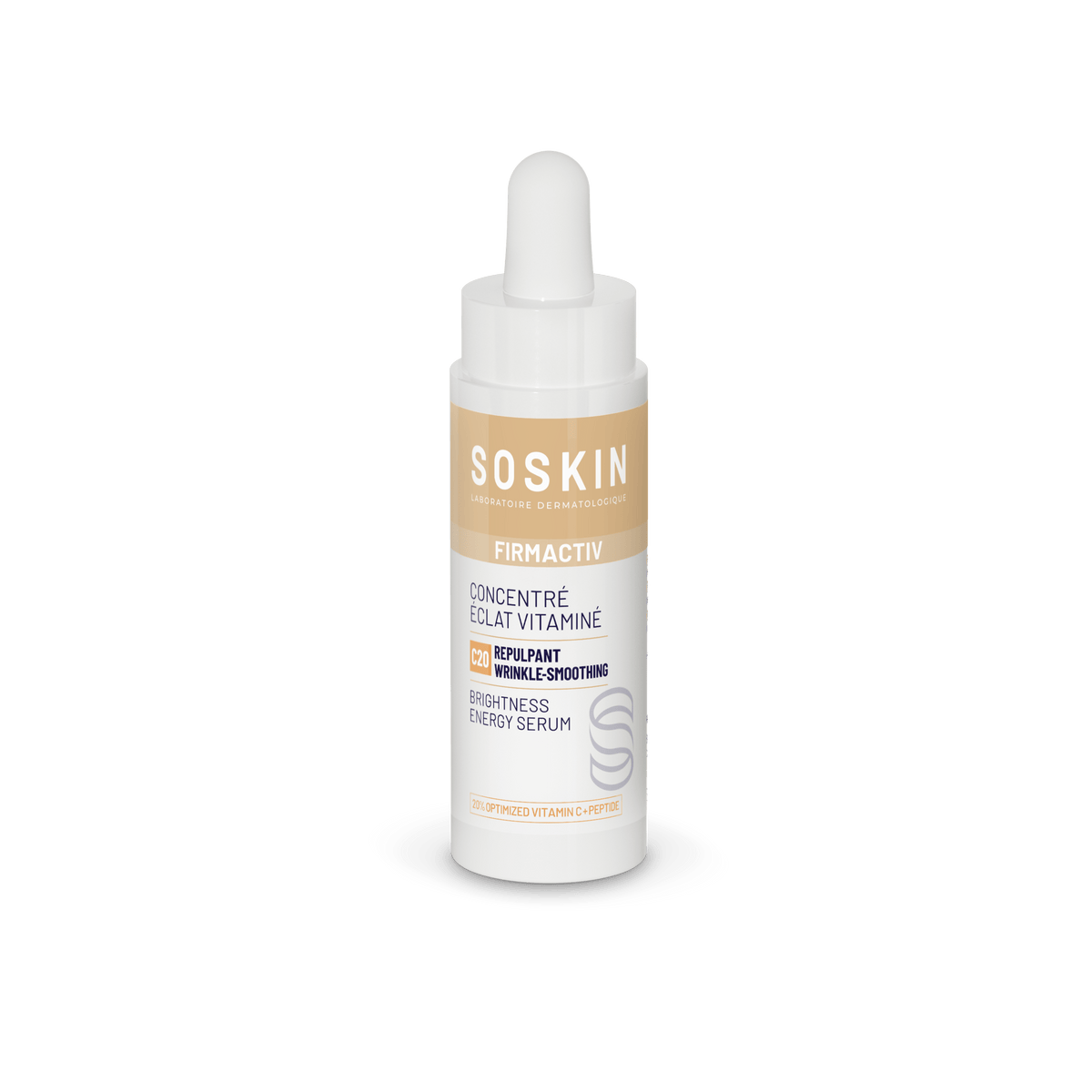
- Vitamin C : powerful antioxidant, lightens the complexion, acts on brown spots.
- Niacinamide : anti-inflammatory, regulates sebum production and strengthens the skin barrier.
- Peptides : protein fragments that signal fibroblasts to produce more collagen.
How to integrate them into your routine
- Introduce retinol gradually (1–2 times/week at first).
- Apply vitamin C in the morning + SPF to boost sun protection.
- Combine several active ingredients in serum and cream for optimal synergy.
5. Adopt a pro-youth lifestyle
The role of sleep
During the night, the skin actively regenerates. A lack of sleep increases cortisol levels (stress hormone), which accelerates skin aging. A study from the University of Cleveland showed that people sleeping less than 6 hours per night had 30% slower skin recovery.
Nutrition and young skin
- Antioxidants (red fruits, green tea, green vegetables) → neutralize free radicals.
- Omega-3 (oily fish, flax seeds) → maintain the flexibility of cell membranes.
- Reduce fast sugars → limit glycation and rigidity of collagen.
Physical activity and stress management
- Exercise improves blood circulation → better oxygenation of tissues.
- Meditation and yoga reduce inflammation linked to chronic stress.
Practical tips for an anti-aging daily routine
Example of morning routine
- Gentle cleanser.
- Vitamin C serum.
- Moisturizing cream + SPF 50 sun protection.
Example of evening routine
- Make-up removal + gentle cleansing.
- Retinol or peptide serum.
- Nutritious cream rich in ceramides.