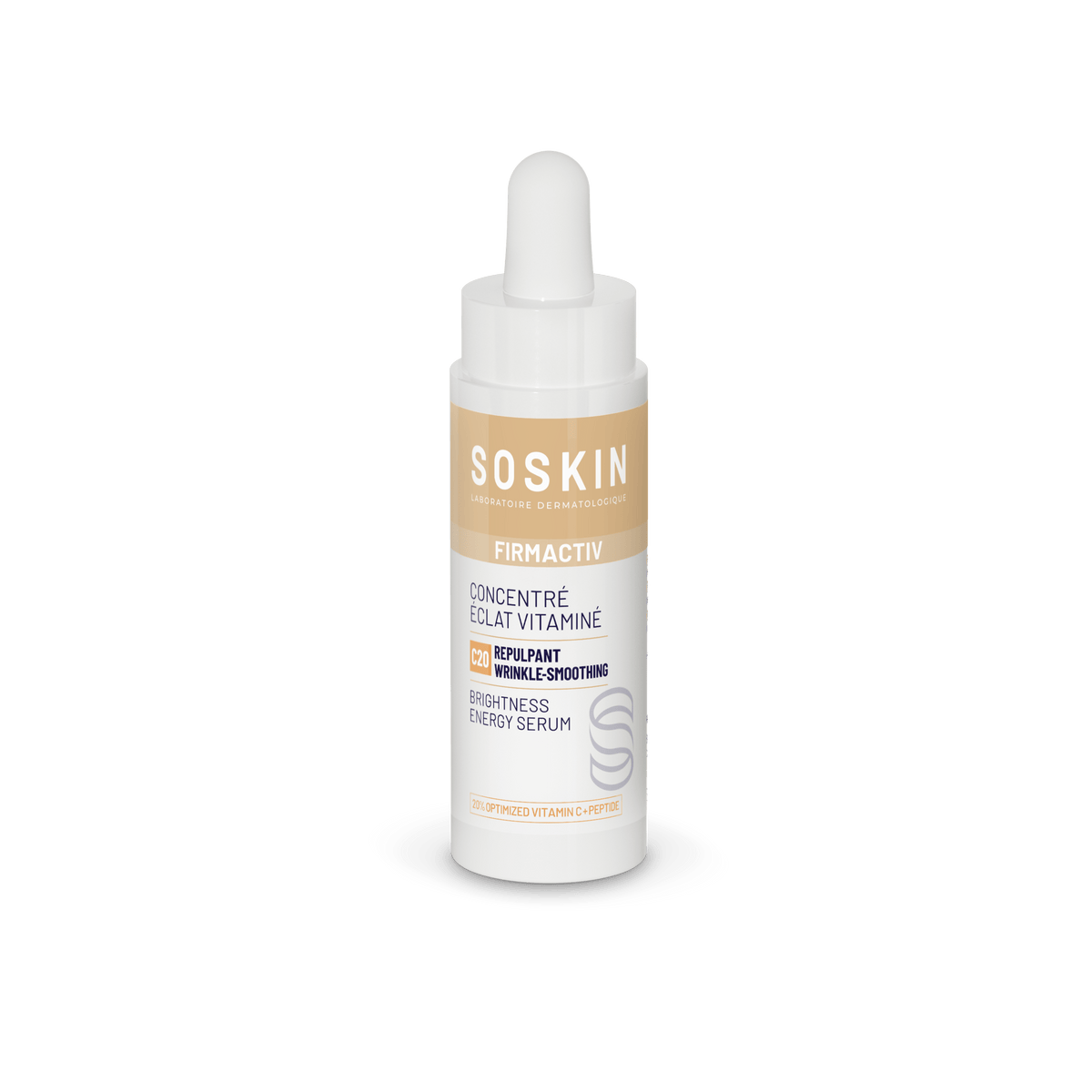


Applying serum before or after cream is a question that we all ask ourselves in our daily beauty routine. However, this question hides a common error which could compromise the effectiveness of your care. According to dermatology experts, the order of application of these two products is fundamental to maximize their benefits.
Indeed, the serum, with its lighter and fluid texture, is specifically designed to penetrate deep into the skin. So, applying serum before or after cream is not a simple matter of preference, but a precise science that directly influences the results of your routine. Serums are generally more concentrated in active ingredients, and applying a cream on top helps seal in these precious components.
In this article, we'll discover why the order of application is so crucial, how these two products complement each other perfectly, and most importantly, how to avoid common mistakes that prevent you from achieving radiant skin. Get ready to transform your skincare routine to reap all the benefits!
Discover the essential rules to optimize your beauty routine and avoid mistakes that compromise the effectiveness of your treatments:
| The key points | Explanation |
|---|---|
| Always apply serum BEFORE cream | This sequence allows concentrated active ingredients to penetrate deep into the skin |
| Respect the rule "from lightest to thickest" | Fluid textures penetrate better than dense textures applied first |
| Never mix serum and cream in your hand | This dilutes the active ingredients and neutralizes their specific properties |
| Wait 1 minute between each application | This time allows optimal absorption without diluting the benefits |
| Adapt your day/night routine | Antioxidant serum + light cream in the morning, repairing serum + nourishing cream in the evening |
This scientifically proven method transforms your beauty routine into professional care. The serum treats in depth while the cream hydrates and protects on the surface, creating a perfect synergy for radiant and healthy skin.
Why the order of application is essential
The effectiveness of our skincare routine depends greatly on the order in which we apply our products. This sequence is not arbitrary, but is based on scientific principles linked to the structure of our skin.
The role of the skin barrier
The skin barrier constitutes our skin's first line of defense. Made up of cells and lipids, it regulates what enters and leaves our epidermis. This natural barrier determines the absorption of the products we apply.
Serums, with their smaller molecules and high concentration of active ingredients, are designed to cross this barrier. On the other hand, creams tend to form a protective film on the surface. Applying the cream first would create an additional obstacle that the serum would struggle to overcome.
How textures influence penetration
The fundamental rule in cosmetics is to apply products from the lightest to the thickest. This logic is not arbitrary but based on the penetration capacity of different textures.
The serums have a fluid and light texture that quickly penetrates the upper layers of the epidermis. Their low molecular weight facilitates their absorption. Conversely, creams, richer and dense, are formulated to remain on the surface and form a protective barrier.
If we reverse this order, the serum remains blocked on the surface without being able to deliver its active ingredients deep down. It's like trying to pour water onto a sponge that's already saturated with oil – the water would just slide off the surface.
Why ordering serum before or after cream changes everything
Applying the serum before the cream maximizes the effectiveness of both products. The serum penetrates deeply to target specific problems, while the cream then seals these active ingredients while providing hydration and protection.
In addition, this sequence optimizes the action of the serum's active ingredients. When applied to clean, bare skin, these compounds can reach their target without hindrance. The cream applied subsequently does not prevent them from acting but on the contrary prolongs their effect by slowing down their evaporation.
If we reverse this order, we significantly reduce the potential benefits of our routine. It’s like putting a barrier in front of the door before trying to get in – it unnecessarily complicates the process and decreases overall efficiency.
Serum and cream: two complementary functions
In our quest for glowing skin, understanding the relationship between serum and cream is fundamental. These two treatments are not interchangeable but rather complementary, each playing a specific role in your beauty routine.
The serum: targeted treatment with deep action
The serum is distinguished by its fluid and light texture which allows it to be absorbed almost instantly. This characteristic is not trivial: it facilitates the penetration of active ingredients to the deep layers of the epidermis. Indeed, serums generally contain a higher concentration of active ingredients than creams, which makes them particularly effective in treating specific problems.
Their targeted formulation makes it possible to address specific concerns such as wrinkles, dull complexion or acne. Furthermore, their light texture is particularly suitable for oily or acne-prone skin. Results are often visible more quickly thanks to this increased concentration of active ingredients.
The cream: hydration and surface protection
Unlike serum, cream has a thicker and creamier texture. Its main role is to hydrate and nourish the epidermis while forming a protective barrier. It remains mainly on the surface of the skin, on the upper layer of the epidermis, without reaching the deeper layers.
Creams contain more fatty ingredients that strengthen the skin barrier and prevent dehydration. They also protect against external aggression. Thus, they play an essential role in maintaining skin balance and preventing transepidermal water loss.
Why doesn't one replace the other?
The serum and the cream work in synergy: the first treats in depth while the second hydrates and protects on the surface. Serum alone cannot provide enough comfort and protection, especially for dry or mature skin. Additionally, cream alone, while moisturizing, cannot effectively target specific issues like spots or wrinkles.
Using both products, you get a complete routine: the serum preps the skin and addresses targeted concerns, then the cream seals in those benefits while providing hydration and protection. This combination creates true synergy, enhancing the effectiveness of each product for optimal results.
The mistake everyone makes with serum
Despite expert advice, many of us continue to make mistakes that compromise the effectiveness of our serums. These missteps, often due to ignorance, can considerably reduce the benefits of our beauty routines.
Apply cream before serum
This is probably the most common and yet most counterproductive error. When we apply the cream first, we create an occlusive barrier that prevents the serum from penetrating properly. In fact, the active molecules of the serum find themselves blocked on the surface of the skin, unable to reach their target in the deeper layers of the epidermis. This is like putting on a raincoat and then dousing yourself with water - the hydration stays on the surface without being able to be absorbed.
Mix serum and cream in hand
Some people think they can save time by mixing these two products before application. However, this method neutralizes their respective properties. The pH and chemical composition of each product are specifically formulated to act independently. By mixing them, we dilute the concentration of the serum's active ingredients and disrupt its mechanism of action. Furthermore, this mixture modifies the texture of the two products, compromising their optimal penetration.
Use one product for everything
For the sake of simplicity or economy, many settle for just one product, usually an all-in-one cream. However, this minimalist approach neglects the specific needs of our skin. A serum provides targeted active ingredients at a high concentration that even the best cream cannot integrate without compromising its texture and primary function. In addition, the exclusive use of a cream deprives our skin of the specific benefits offered by serums to treat problems such as spots, wrinkles or deep dehydration.
How to properly apply serum and cream in your routine
To maximize the effectiveness of your products, methodical application is essential. Let's take a look at how to structure your routine for optimal results.
Morning routine: antioxidant serum + light cream
In the morning, choose a vitamin C serum. This powerful antioxidant protects against free radicals from pollution and UV rays while brightening the complexion. Apply it to clean, slightly damp skin for better absorption. Next, opt for a light cream, ideally with sun protection. For oily skin, a fluid gel or cream is preferable.
Evening routine: repair serum + nourishing cream
Ultimately, the order in which your treatments are applied greatly determines their effectiveness. As we have seen, the serum must always precede the cream to allow its concentrated active ingredients to penetrate deeply into the skin. This sequence is not a simple recommendation, but a scientific necessity based on the very structure of our epidermis.
Waiting time between
Common mistakes like applying cream before serum, mixing the two products, or using only one seriously compromise the effectiveness of your routine. Therefore, it is essential to adopt the correct application method to maximize results.
Ideal amount to use
So, by following this simple but fundamental protocol, you will transform your beauty routine into a real professional treatment. Your skin will thank you with its renewed health and radiance.
Should you change your serum depending on the season?
Indeed, adapting your serum to the seasons is wise. In summer, favor light and hydrating formulas. In winter, opt for richer, restorative serums to counteract dryness and cold.
Conclusion
Ultimately, the order in which your treatments are applied greatly determines their effectiveness. As we have seen, the serum must always precede the cream to allow its concentrated active ingredients to penetrate deeply into the skin. This sequence is not a simple recommendation, but a scientific necessity based on the very structure of our epidermis.
We also discovered why these two products are complementary rather than interchangeable. On the one hand, the serum targets specific problems thanks to its high concentration of active ingredients. On the other hand, the cream provides hydration and protection by forming a protective barrier. Together, they create a perfect synergy for radiant skin.
Common mistakes like applying cream before serum, mixing the two products, or using only one seriously compromise the effectiveness of your routine. Therefore, it is essential to adopt the correct application method to maximize results.
Now you have all the keys to correctly structuring your daily routine. In the morning, an antioxidant serum followed by a light protective cream. In the evening, a repairing serum complemented by a nourishing cream. Don't forget to adapt your routine to the seasons and respect a waiting time between each product.
So, by following this simple but fundamental protocol, you will transform your beauty routine into a real professional treatment. Your skin will thank you with its renewed health and radiance.