

The pregnancy face mask affects between 50 to 75% of pregnant women, making this hyperpigmentation one of the most common skin changes during this period. We find in our practice that these symmetrical brown spots, generally appearing on the forehead, nose, cheeks, cheekbones and above the upper lip, can be a source of concern for many mothers-to-be.
Also called chloasma or melasma, this phenomenon is characterized by skin hyperpigmentation that marks the face. Interestingly, around 5 to 10% of women affected by these brown spots are not pregnant, while in France, 5% of pregnant women are said to be affected. This condition mainly results from an overproduction of melanin, the pigment responsible for the color of the epidermis, often triggered by hormonal changes linked to pregnancy.
In this article, we will explore in detail the causes of pregnancy mask, the areas of the face particularly affected, and above all, the effective solutions to prevent and alleviate it. Whether you are pregnant or simply affected by this form of hyperpigmentation, you will discover appropriate care during pregnancy as well as possible treatments after childbirth.
What is the pregnancy face mask?
The mask of pregnancy, also called melasma or chloasma, appears in the form of symmetrical brown spots that appear on the face. This hyperpigmentation affects nearly one in three women and represents one of the major beauty challenges for many women.
As a widespread skin problem, melasma results from a specific biological process: excessive stimulation of melanocytes. These specialized cells, responsible for the production of melanin (the pigment that gives our skin its color), activate abnormally under the influence of various factors. As a result, an irregular accumulation of melanin forms on the surface of the epidermis, creating these characteristic hyperpigmented areas.
The most affected areas of the face
Melasma does not appear randomly. Indeed, certain areas of the face are particularly likely to be affected, forming characteristic patterns:
- The forehead and temples
- Cheekbones and cheeks
- The supralabial region (above the upper lip)
- Nose and chin
- Sometimes the jaw line
This specific distribution of spots is not trivial and often follows a symmetrical arrangement on either side of the face. Thus, we observe three main types of distribution: centrofacial (cheeks, forehead, nose, chin), malar (cheeks and nose) and mandibular (branches of the jaw).
Difference Between Chloasma and Melasma
Although often used synonymously, these two terms have some nuances. Chloasma specifically refers to hyperpigmentation linked to pregnancy or the use of hormonal contraceptives. The term "chloasma gravidarum" is sometimes used to specifically designate the pregnancy mask.
Melasma, on the other hand, is a more general term that encompasses all similar hyperpigmentations, regardless of their origin. However, in modern medical practice the term "melasma" has become predominant for this phenomenon, as it has been recognized that the same physiological mechanisms are involved in all cases.
Why is it called 'mask'?
The name “pregnancy mask” finds its origin in the characteristic configuration of the spots on the face. These hyperpigmentations in fact create a symmetrical pattern which evokes a mask placed on the face. This particular arrangement, mainly affecting the middle of the face and forming well-defined areas, recalls the shape of a wolf or a carnival mask.
Furthermore, this phenomenon generally occurs during the second trimester of pregnancy, at a time when the woman's body undergoes numerous transformations. This hyperpigmentation which temporarily “masks” certain areas of the face thus becomes a visible sign of the profound hormonal changes taking place.
Note, however, that the pregnancy mask is not exclusively linked to pregnancy. Genetic factors, excessive exposure to the sun, certain endocrine conditions or the use of hormonal contraceptives can also trigger this pigmentary response. However, pregnancy remains one of the main triggers of this phenomenon, hence its evocative name.
The main causes of melasma during pregnancy
The appearance of melasma during pregnancy results from a complex interaction between several biological and environmental factors. This hyperpigmentation, which affects up to 90% of pregnant women according to certain estimates, is emerging as a major beauty issue for many future mothers. Understanding its origins allows us to better understand it and adapt our prevention strategies.
Role of hormones (estrogens, progesterone)
Hormonal upheavals constitute the main factor in the pregnancy mask. During this period, our body experiences a significant increase in estrogen and progesterone levels. These hormones directly stimulate the activity of melanocytes, these specialized cells responsible for the production of melanin.
Indeed, estrogens play a particularly decisive role in this process by activating tyrosinase, an enzyme which increases the synthesis of melanin. Furthermore, melanostimulin (MSH) also sees its levels rise during pregnancy, contributing to this hyperstimulation of melanocytes. Together, these hormonal changes put our pigment cells into a state of hyperfunction.
The phenomenon generally appears from the fourth month of pregnancy, when the hormonal level reaches a certain threshold. During this period, our melanocytes become particularly sensitive to external stimulation.
Sun exposure and melanin production
Exposure to ultraviolet rays represents a major trigger of melasma. Even moderate exposure is enough to maintain or worsen stains. Contrary to popular belief, it is not only UVA and UVB that are involved, but the entire solar spectrum.
When our skin is exposed to the sun, the radiation activates melanocytes already sensitized by hormones and induces increased production of free radicals. These in turn stimulate the production of melanin via pro-inflammatory mediators.
Importantly, even a very low level of sunlight is enough to trigger a pregnancy mask. This is why we observe that melasma intensifies during the summer and subsides in the winter. The blue light of daylight can also increase the pigmentation of spots, explaining their possible reappearance from the beginning of spring without direct solar exposure.
Genetic factors and phototype
Genetic predispositions play a significant role in the appearance of the mask of pregnancy. According to studies, around 40% of patients report a history of melasma within their family.
The phototype, that is to say the natural color of the skin and hair, considerably determines the risk of developing it. Brown women with dark skin are more prone to pregnancy masks than blonde women with light skin. More precisely, phototypes III and IV (dark skin) are the most affected by this form of hyperpigmentation.
This susceptibility is explained by their greater richness in melanin which gives them a higher natural pigmentation, without being as significant as that of dark skin. Phototypes 4 and 5, the darkest, are particularly affected.
Link to hormonal contraception
Pregnancy mask can also occur outside of pregnancy, especially when taking hormonal contraceptives. In 5 to 10% of cases, the appearance of melasma is caused by taking a contraceptive pill with a high dose of estrogen.
In fact, approximately one in three women on the pill observe a pigmentary mask comparable to melasma. The mechanism is similar to that observed during pregnancy: oral contraceptives, particularly estrogen-progestogen formulas, cause hormonal changes that stimulate the production of melanin.
Thus, women undergoing hormonal treatments are also at risk, because these treatments cause hormonal variations similar to those of pregnancy. Exposure to UV rays associated with these hormonal disturbances contributes significantly to the appearance of these brown spots.
How to prevent the appearance of pregnancy mask?
Preventing pregnancy mask is essential in the face of this hyperpigmentation which affects nearly one in three women. Taking preventative measures from the start of pregnancy can significantly reduce the risk of appearance or reduce the intensity of spots. Here are the most effective strategies to protect your skin.
Daily sun protection
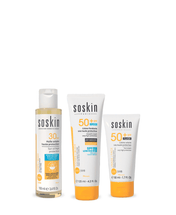
Photoprotection constitutes the fundamental element of any preventive strategy against melasma. I emphasize this point: the daily application of a broad-spectrum sunscreen (UVA/UVB) with a minimum SPF of 50 remains essential, even on cloudy days or in winter. Indeed, UV rays are the main triggers of hyperpigmentation, particularly when pregnancy hormones have already sensitized your melanocytes.
For optimal effectiveness, reapply every two hours, especially during outdoor activities. Favor mineral formulas based on zinc oxide or titanium dioxide, which are generally better tolerated during pregnancy.
Food rich in vitamins C and B9
A balanced diet plays a significant role in preventing spots. Vitamin C, a powerful antioxidant, helps neutralize free radicals and curb excessive melanin production. At the same time, folic acid (vitamin B9), already recommended for the neurological development of the fetus, also contributes to the health of your skin.
Include daily in your meals:
- Citrus fruits, kiwis and red fruits (vitamin C)
- Green leafy vegetables like spinach and kale (B9)
- Legumes and whole grains (B9)
Gentle gestures for facial cleansing
Adopt a respectful skincare routine that does not irritate your skin. Any inflammation, even minimal, can stimulate the production of melanin and promote the appearance of spots. Therefore, avoid harsh cleansers containing sulfates or alcohol.
Opt instead for gentle formulas like cleansing foams enriched with succinic acid, a gentle exfoliant with anti-inflammatory properties. After cleansing, systematically apply a moisturizer suitable for sensitive skin to maintain the integrity of your skin barrier.
Avoid hours of intense exposure
Even with adequate sun protection, limit your exposure to UV rays as much as possible, particularly between 10 a.m. and 4 p.m., when the sun's intensity reaches its maximum. During these periods, supplement your protection with physical means: wide-brimmed hat, sunglasses and covering clothing.
Remember that the blue light emitted by screens can also stimulate pigmentation. So, applying filters to your electronic devices or using products containing antioxidants can prove beneficial for complete protection.
These preventive measures, combined with regular dermatological monitoring, constitute your best defense against the appearance of pregnancy mask, allowing you to preserve the homogeneity and radiance of your complexion during this period of profound hormonal changes.
Suitable care during pregnancy to reduce spots
Faced with pregnancy mask stains, appropriate care during this sensitive period makes all the difference. During these nine months, choosing effective but risk-free products becomes essential to preserve the radiance of the complexion while protecting the baby's health.
Gentle and natural routine
During pregnancy, the epidermis becomes particularly vulnerable. I have found that a minimalist routine is ideal. Cleansing should be done with gentle products, without rubbing the face intensively so as not to further stimulate melanin production. A cold process soap without essential oils makes an excellent base for this daily ritual.
For hydration, favor light textures, applied morning and evening. Vegetable oils like avocado or jojoba oil offer nourishing properties while strengthening skin elasticity.
Products without controversial ingredients
The composition of care deserves special attention during pregnancy. Indeed, many sunscreens contain endocrine disruptors that are potentially harmful to fetal development. Choose certified formulations free of parabens, sulfates and ingredients of animal origin.
Succinic acid is an excellent choice as a gentle exfoliant with anti-inflammatory properties. It allows respectful cell renewal without attacking the weakened epidermis.
Focus on the Meladerm range
The Meladerm collection has established itself as a reference for treating spots during pregnancy. Its flagship serum, Anti-Dark Spot Radiance Serum, has been evaluated by a toxicologist and is ideal for pregnant women. Its formula contains 98% ingredients of natural origin and acts effectively on all types of stains.
Dermatologically validated natural alternatives
Some natural solutions can complete your anti-dark spot routine. Organic aloe vera gel has soothing properties that help gradually reduce hyperpigmentation.
For a gentle weekly scrub, a mixture of rice powder or oatmeal stimulates cell renewal without being aggressive. However, always consult your doctor before using these remedies, even natural ones.
Possible treatments after childbirth and breastfeeding
After childbirth and the end of breastfeeding, the therapeutic arsenal expands considerably to combat melasma. These more powerful treatments allow effective intervention on persistent hyperpigmentation.
Depigmenting creams (hydroquinone, vitamin C, AHA)
Once the period of hormonal fragility is over, creams based on hydroquinone (2-4%) become a powerful therapeutic option. This active ingredient, considered the gold standard against dark spots, effectively blocks the production of melanin. At the same time, formulations enriched with pure vitamin C (up to 15%) and alpha-hydroxy acids (AHA) promote the exfoliation of pigmented cells while inhibiting the tyrosinase responsible for hyperpigmentation.
Gentle peels and dermatological treatments
Superficial peels with glycolic or mandelic acid are an effective professional alternative. Applied in a doctor's office, they gradually eliminate the superficial layers of the epidermis loaded with melanin. For resistant cases, pulsed light or fractional laser can precisely target hyperpigmented areas without damaging surrounding tissue.
Change contraception if necessary
If the pregnancy mask persists after delivery, examine your contraception. Pills high in estrogen can perpetuate melasma. Opt instead for pure progestin or non-hormonal methods.
When to consult a dermatologist?
Consult a specialist if the spots persist despite six months of appropriate care, intensify despite sun protection, or in case of doubt about their nature. A precise diagnosis will make it possible to establish a personalized protocol combining different therapeutic approaches.
The pregnancy mask undoubtedly represents one of the most visible skin changes during pregnancy. However, this hyperpigmentation, although worrying, generally remains temporary and treatable. The preventive approach is essential as the fundamental strategy in the face of this phenomenon which affects nearly one in three women. Daily sun protection is therefore your best ally, even on cloudy days or in winter.
We have seen that a gentle routine, suitable products and a diet rich in antioxidants can considerably reduce the intensity of spots. At the same time, the choice of treatments specifically formulated for pregnant women is crucial to maintaining the radiance of the complexion without compromising the baby's safety.
After childbirth and breastfeeding, the therapeutic arsenal expands significantly. More powerful active ingredients, professional peels or targeted dermatological treatments then make it possible to intervene effectively on persistent spots. Some women will also find that their pregnancy mask fades naturally a few months after giving birth, while others will require more specific care.
Faced with this unique problem, patience and regularity remain your best allies. Dermatological follow-up is particularly important for resistant or progressive cases, allowing the care protocol to be precisely adapted to your particular situation.
Hyperpigmentation linked to pregnancy, although worrying at the time, should not overshadow this unique period of your life. Solutions exist, accessible and adapted to each stage of motherhood. This global approach now allows all future and new mothers to preserve the homogeneity and luminosity of their complexion, without compromising between effectiveness and safety.