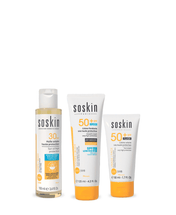


Did you know that the skin's rebound effect affects approximately 30 to 40% of people after treatment or exposure to the sun?
This skin reaction generally manifests itself as a temporary worsening of existing problems: redness, inflammatory spots and oilier skin appear, often after the summer period. Indeed, during the summer, the sun and sea bathing dry out your skin, creating a temporary improvement which can unfortunately lead to a rebound sun effect once the season is over. But rest assured: in most cases, these symptoms are mild and disappear in 4 to 6 weeks, a complete cycle of skin renewal. However, without a suitable approach, rebound treatment can be frustrating and uncomfortable.
In this article, you will discover how to identify rebound effects, understand their root causes and, above all, how to stop them effectively using three simple and accessible steps. Your skin deserves to regain its natural balance!
Understanding the rebound effect and its causes
The skin rebound effect is a frustrating phenomenon that many people face. To better combat this reaction, it is essential to precisely understand its mechanisms. Let's explore together the different facets of the skin rebound effect and discover why your skin sometimes reacts so unpredictably.
What is the rebound effect?
The skin rebound effect is defined as an excessive reaction of the skin following the cessation of a treatment or after a period when the skin seemed to have improved. Simply put, it is a “backfire” phenomenon where your skin, after showing signs of improvement, suddenly develops a worsening of the initial problems, sometimes even more severe than before.
This phenomenon usually occurs when your skin tries to regain its natural balance after being temporarily altered by an external factor. For example, if you use strong anti-acne products that dry out your skin, your skin may respond by producing even more oil once treatment stops.
From a physiological point of view, the skin rebound effect can be explained by the very functioning of our skin barrier. This barrier, composed mainly of lipids and dead cells, plays an essential protective role. When disrupted by external agents (aggressive cosmetic products, medications, climate changes), the skin attempts to quickly compensate for this imbalance.
The different types of rebound effects include:
- The seborrheic rebound effect: overproduction of sebum after use of drying products
- The inflammatory rebound effect: appearance of redness and irritation after stopping anti-inflammatory treatments
- The keratin rebound effect: excess dead cells creating blockages in the pores
Although all skin types can experience a rebound effect, certain profiles are particularly susceptible to it. Combination to oily, sensitive or reactive skin is generally at higher risk due to its natural tendency towards imbalances. Also, atopic skin, prone to eczema or psoriasis, can show more marked and more frequent rebound effects.
Furthermore, the rebound effect is not limited to seborrhea or acne problems. It can also appear after treatment for rosacea, after a period of intense hydration, or even following prolonged use of covering makeup. In all cases, the underlying mechanism remains the same: your skin seeks to return to its initial state of balance, sometimes excessively.
Why does it occur after treatment or in the summer?
The appearance of a rebound skin sun effect after the summer period is not a coincidence. During the summer, several factors contribute to temporarily changing the condition of your skin:
First, the sun has a drying effect on the epidermis. Although this may seem beneficial for oily or acne-prone skin (hence the impression of improvement during the summer), this dehydration disrupts the skin's hydrolipidic balance. In the short term, you see fewer imperfections because UV rays have a slight anti-inflammatory and drying effect. However, this improvement is misleading.
Second, seawater, rich in salt, has mild antiseptic and astringent properties that can temporarily reduce acne problems. However, these beneficial effects disappear upon returning to normal life.
Once exposure to the sun and sea bathing is over, your skin tries to compensate for the dehydration suffered. To do this, it increases its sebum production, which can lead to the appearance of comedones and inflammatory spots. This is what we call the sun-skin rebound effect, particularly common in September and October.
Concerning cosmetic or medicinal treatments, several mechanisms can explain the rebound effect care :
Products containing active ingredients such as fruit acids (AHA, BHA), benzoyl peroxide or retinoids modify the normal functioning of the skin. When you suddenly stop using them, your skin may have reactions. For example, after an anti-acne treatment, the sebaceous glands, used to being inhibited by the product, can suddenly overproduce sebum.
Similarly, prolonged use of topical corticosteroids may result in a dramatic rebound effect upon discontinuation. The skin, accustomed to the anti-inflammatory action of the drug, may develop redness and irritation that is more severe than before treatment.
Topical or oral antibiotics prescribed for acne can also cause a rebound effect. By modifying the skin flora, they create an imbalance which, once treatment is interrupted, can encourage the excessive proliferation of certain bacteria.
It is important to note that the rebound effect is not systematic after each treatment. Its occurrence depends on many factors, including:
- The duration of use of the product
- The concentration of active ingredients
- Skin type
- How treatment is stopped (abruptly or gradually)
- Compensatory care implemented after stopping
Hormonal changes can also amplify the rebound effect. This is why some people notice a worsening of their acne after the summer, a period which often coincides with changes in the pace of life and stress.
How long does a rebound effect last?
The duration of a rebound effect varies considerably depending on several factors. In the majority of cases, this phenomenon is only temporary and ends up resolving naturally when the skin regains its balance.
For a classic skin rebound effect, the average duration is between 4 and 8 weeks. This period corresponds approximately to a complete cycle of cell renewal in adults. In fact, your skin needs this time to eliminate the affected cells and replace them with new, healthy and balanced ones.
However, this duration may vary significantly depending on:
The type of rebound effect : a rebound effect following the use of corticosteroids can last longer (sometimes several months) than a simple rebound effect after the summer. Likewise, a rebound effect after a strong anti-acne treatment like isotretinoin may persist for 2 to 3 months.
The person's age : with age, cell renewal slows down. Thus, in a person over 40, the rebound effect can last longer than in an adolescent.
Skin type : sensitive or atopic skin generally takes longer to regain its balance than normal or resistant skin.
Care provided during the rebound period : an adapted, gentle and restorative routine can considerably reduce the duration of symptoms.

For mild rebound effects, such as those occurring after summer, you will usually notice a gradual improvement by the second week. The redness fades first, followed by the inflammatory spots. Comedones (blackheads and microcysts) are often the last to disappear.
In certain cases, particularly after prolonged drug treatments or intensive dermatological procedures (deep peeling, laser), the rebound effect can persist for up to 12 weeks. During this time, your skin goes through different phases of healing, with ups and downs that can be discouraging.
It is crucial to understand that trying to speed up the process with aggressive products risks worsening and prolonging the rebound effect. Patience remains your best ally during this delicate period.
However, if after 8 weeks you do not notice any improvement, or if the symptoms worsen, it is recommended to consult a dermatologist. Indeed, what appears to be a rebound effect could actually hide another dermatological problem requiring specific treatment.
In certain situations, particularly after stopping drug treatments such as topical corticosteroids, medical monitoring is essential. Your doctor may suggest a gradual withdrawal protocol to minimize the intensity of the rebound effect.
Finally, know that the duration of a rebound effect can be significantly reduced thanks to a preventive approach. Stopping a treatment gradually, rather than suddenly, often limits the intensity and duration of the rebound effect. Likewise, anticipating the return from vacation by adapting your skincare routine can help prevent or attenuate the skin sun rebound effect.
Ultimately, the rebound effect is your skin's natural but uncomfortable reaction to change. Although temporary, it requires an adapted approach to be managed effectively and limit its impact on your daily life and your well-being. Knowing the mechanisms involved and implementing a suitable routine will allow you to get through this period more peacefully.
Identify the signs of a rebound effect
Recognizing the signs of a rebound effect is the first step in resolving this skin problem. When your skin begins to react negatively after treatment or following summer exposure, several characteristic signs appear. To intervene effectively, you must know precisely what you are observing. Let's examine together the different symptoms that can identify a skin rebound effect.
Spots, redness, microcysts
The multiplication of imperfections generally represents the first visible sign of a rebound effect. These imperfections manifest themselves in different forms, each having its own particularities:
Inflammatory pimples are characterized by their bright red color and painful appearance. These papules and pustules often appear in areas usually affected by your skin problems. During a rebound treatment, these spots may be more numerous and more intense than your usual breakouts. They usually appear suddenly, sometimes overnight, unlike a classic acne breakout which sets in gradually.
Diffuse redness is another telltale sign. Your skin may have red patches, particularly on sensitive areas like the cheeks, chin or forehead. This redness is often accompanied by a feeling of heat and tightness. In the case of a sun rebound skin effect, this redness typically appears after the summer period, when the temporary anti-inflammatory effect of the sun wears off.
Microcysts appear as small white or transparent balls under the skin. Non-inflammatory but persistent, these closed comedones are particularly common during rebound effects linked to stopping exfoliating treatments. These microcysts are generally concentrated on the forehead and cheeks, sometimes forming real “clusters” characteristic of a rebound effect.
These manifestations are often accompanied by blackheads (open comedones) which can proliferate, particularly in the T zone. This increase in comedones is explained by the sudden increase in sebum production combined with irregular desquamation of skin cells.
It is important to note that these imperfections present particular characteristics during a rebound effect:
- They generally appear simultaneously and not progressively
- They are often located in areas that are unusual for you
- Their intensity may be greater than your usual skin problems
- They occur after an identifiable triggering event (stopping treatment, returning from vacation)
Another distinctive sign concerns the irregular texture of the skin. During a rebound effect, your skin may become grainy to the touch, with unusual roughness. This change in texture is explained by the accumulation of dead cells and the disruption of the desquamation process.
In some cases, especially after stopping treatments based on retinoids or exfoliating acids, you may also notice excessive flaking. Small flakes come off your face, particularly around the nose and mouth, indicating an imbalance in your skin barrier.
Oilier or drier skin

The skin rebound effect is also manifested by significant changes in hydration and sebaceous secretion. These changes vary depending on the type of rebound effect and the treatment or situation that caused it.
For skin that has become oilier, the signs are generally obvious. You notice excessive shine, particularly on the T zone (forehead, nose, chin). This hyperproduction of sebum typically occurs a few days after stopping a drying treatment or upon returning from summer vacation. Your face may appear shiny in the first hours after cleansing, whereas this shine usually only appears at the end of the day.
This excessive production of sebum is often accompanied by a feeling of an oily film on the skin. To the touch, your epidermis seems thicker and less supple. This sensation can be particularly uncomfortable and give the impression that your skin is not "breathing". Pores also appear enlarged and more visible, reinforcing the unsightly appearance of the skin.
Conversely, a rebound effect can also result in abnormal skin dryness. This is particularly the case after prolonged use of rich moisturizers or cortisone-based creams. Your skin, used to receiving external hydration, may temporarily lose its ability to maintain its natural hydration.
Signs of drier skin due to rebound include:
- Persistent tightness, even after applying moisturizers
- Visible flaking patches, particularly on the cheeks and around the mouth
- A feeling of discomfort and permanent tension
- More pronounced dehydration lines, especially under the eyes
- Increased sensitivity to environmental factors (wind, cold, heating)
One particularly confusing phenomenon is the mixed rebound effect, where your skin has areas of dryness and excess oil simultaneously. This paradoxical situation, common after stopping anti-acne treatments, is characterized by a shiny T zone coexisting with dry and irritated cheeks. This duality often complicates treatment, because care adapted to oily areas can aggravate dry areas, and vice versa.
It is also crucial to pay attention to daily variations in these symptoms. During a skin rebound effect, the symptoms often fluctuate quickly: your skin may appear excessively oily in the morning and abnormally dry in the evening. These oscillations reflect your epidermis' attempts to regain its natural balance.
Sensitivity to touch is another valuable indicator. Rebound skin often becomes hypersensitive, reacting painfully to the slightest pressure. This sensitivity is explained by the underlying inflammation and the weakening of the skin barrier.
Furthermore, note that the duration and intensity of these changes vary depending on the individual. If you're wondering how long texture and moisture rebound lasts, know that these symptoms usually persist. However, without appropriate intervention, certain imbalances can become lasting and become your "new normal", hence the importance of rapid and appropriate treatment. Between 3 and 6 weeks
Differentiate rebound effect and allergy
Distinguishing a rebound effect from an allergic reaction or another skin problem is essential to adopt the appropriate care strategy. Although some symptoms may seem similar, several elements allow a clear differentiation to be made.
First, carefully observe the timeline of symptom onset. A skin rebound effect generally occurs after stopping a treatment or returning from a sun vacation, with a delay of a few days to two weeks. On the other hand, an allergic reaction usually manifests itself very quickly after contact with the allergen, often within minutes or hours.
Second, analyze the location of skin signs. The rebound effect generally concerns the entire face or usually problematic areas, while an allergy is often concentrated at points of direct contact with the allergenic substance (eye contour, lips, specific application areas).
The type of reaction is also a telling clue. A rebound effect is mainly characterized by spots, a change in sebum production and microcysts. A skin allergy instead causes intense itching, edema (swelling), and sometimes vesicles (small blisters). This distinction is fundamental: the skin rebound effect is rarely pruritic (itchy), unlike allergies where itching represents the predominant symptom.
The duration of the demonstrations also differs. A rebound effect persists for several weeks and gradually improves, following the skin renewal cycle. An allergy, if contact with the allergen ceases, tends to resolve more quickly, generally within a few days with appropriate treatment.
To help you better distinguish these two phenomena, here is a comparative table of the main signs:
Characteristic Rebound effect Allergic reaction Time of appearance Days to weeks after stopping treatment or returning from vacation Minutes to hours after contact with the allergen Itching Rare or slight Intense and persistent Location Generalized or usually problematic areas Limited to areas of contact with the allergen Evolution Progressive over several weeks Rapid then stabilization as long as contact with the allergen persists Redness Diffuse, often associated with spots Clear, often with precise delineation Swelling Rare and limited Frequent and sometimes significant (edema) It is also important to differentiate the rebound effect from a simple worsening of your pre-existing skin condition. In the case of worsening, symptoms gradually intensify without a prior period of improvement. In addition, this worsening is often linked to identifiable factors such as stress, diet or hormonal changes.
Another important distinction concerns the difference between a rebound effect and skin purging. Purging occurs at the start of an exfoliating treatment (like retinoids) and is a normal reaction where subcutaneous imperfections come to the surface more quickly. The rebound effect appears when treatment is stopped. This nuance is essential to determine whether to persevere in a treatment or adapt it.
Remember that certain dermatological conditions such as rosacea or perioral dermatitis can present symptoms similar to a rebound effect. If you have any doubt about the origin of your skin problems, particularly if the symptoms persist for more than two months or are accompanied by unusual signs (fever, intense pain, rapid spread), consult a dermatologist.
In certain cases, you may be confronted with a mixed phenomenon: a skin sun rebound effect triggering a flare-up of rosacea, for example. These complex situations often require a professional diagnosis and an adapted therapeutic approach.
The test of time also constitutes a valuable indicator: a rebound effect gradually improves with a minimalist and soothing routine, while an allergy will only subside with the complete avoidance of the allergen and sometimes a specific treatment.
Finally, your personal history provides decisive clues. If you have experienced rebound effects in similar circumstances before, the likelihood that you will encounter them again is high. Likewise, if you have a history of skin allergies, a new allergic reaction is plausible.
To conclude this chapter of differentiation, know that in case of persistent doubt, a dermatologist can carry out specific tests (patch tests for allergies, for example) allowing a precise diagnosis to be established. Do not hesitate to consult if your symptoms are severe, persistent or
Adopt a simple routine to calm the skin
Faced with a skin rebound effect, the solution does not lie in aggressive treatments, but rather in a gentle and methodical approach. When your skin shows its imbalance, it's time to adopt a three-step strategy that Respects its natural healing process. Discover how to effectively soothe your skin while allowing it to regain its balance.

Clean gently without attacking
The first mistake made when faced with a skin rebound effect often consists of overcleansing the epidermis, believing it to eliminate excess sebum and impurities. However, this approach only makes the situation worse. To calm your skin effectively, choose respectful but effective cleansing.
is essential for eliminating excess sebum without damaging the skin. This routine, morning and evening, helps eliminate accumulated impurities while preserving the hydrolipidic film essential to skin health. The latter constitutes a natural protective barrier that products that are too harsh could damage. Careful cleaning twice a day.
During this delicate period of rebound effect, opt for a gentle cleanser with the following properties:
- Non-foaming or low-foaming texture
- pH close to that of the skin (around 5.5)
- Formula without sulfates or alcohol
- Composition without perfume or with non-irritating natural perfumes
are excellent choices during this recovery phase. They effectively eliminate impurities without disturbing the skin's balance. For combination to oily skin in full rebound effect, light cleansing gels offer an ideal compromise between effectiveness and gentleness. Micellar waters and cleansing lotions specifically formulated for sensitive skin.
When cleansing, absolutely avoid vigorous friction which irritates the epidermis and stimulates sebum production. Prefer delicate circular movements, placing light emphasis on problem areas, then rinse thoroughly with lukewarm water. Water that is too hot, often appreciated for its clean feeling, dries out the epidermis and should be avoided during a skin sun rebound effect.
During this period, also limit your makeup which can further clog pores. If you can't do without it, opt for non-comedogenic formulations and never forget the crucial step of removing makeup at the end of the day, even when tired. A gentle makeup remover like a light emulsion effectively eliminates residue while respecting the fragility of your skin.
Additionally, during a rebound effect, exfoliation should be temporarily suspended or significantly reduced. Frequent mechanical exfoliation disrupts the natural skin barrier, especially on sensitive or acne-prone skin. If your skin seems asphyxiated, limit yourself to gentle weekly exfoliation, favoring enzymatic formulas rather than grain scrubs.
Finally, the temperature of the water used to rinse your face plays a significant role. Lukewarm water, neither too hot nor too cold, Respects the balance of your skin weakened by the rebound effect. After rinsing, gently dab your face with a clean towel without rubbing, even leaving a light film of moisture before applying your moisturizer.
Moisturize with non-occlusive care
Contrary to popular belief, hydration remains a fundamental step even for oily skin experiencing a rebound effect. However, the choice of moisturizing product is crucial to avoid aggravating the situation.
Hydration remains essential for all skin types, even oily skin. Poorly hydrated skin becomes more vulnerable to external aggressions. To avoid exacerbating the skin's rebound effect, opt for light, non-occlusive textures that do not suffocate the epidermis while providing it with the necessary hydration.
Non-occlusive moisturizers are characterized by their ability to nourish without creating an impermeable barrier on the skin's surface. They allow pores to “breathe” while maintaining an optimal level of hydration. Among the textures suitable for a rebound effect, we find:
- The moisturizing care, ideal for combination to oily skin
- Light fluids, perfect for all skin types
- The hydrating serumss, concentrated in active ingredients but light in texture
- Light emulsions, which provide comfort without overload
To support the skin during a rebound effect, the use of a hyaluronic acid serum is particularly recommended. Light, non-occlusive and highly hydrating, it helps the skin regain its comfort without stimulating sebum production.
the SOSKIN Rehydrating Hyaluronic Serum was designed to intensely hydrate without a greasy effect. Its light texture is ideal for sensitive, combination skin or skin prone to rebound after treatment or sun exposure.

Certain specific formulations such as mattifying moisturizing jelly are particularly beneficial for oily skin during periods of rebound effect. Their formula containing absorbent powders moisturizes while mattifying lastingly. Apply these treatments morning and evening after cleansing, using light circular movements.
For drier or dehydrated skin following a rebound treatment, slightly richer creams may be necessary. The smoothing cream, for example, combines hydration and radiance while refining the skin's texture, with a creamy texture that penetrates quickly without leaving a greasy film.
During this delicate period, certain moisturizing active ingredients prove to be particularly beneficial:
- Hyaluronic acid, for its exceptional moisturizing power without comedogenic effect
- Vegetable glycerin, which attracts water and fixes it in the upper layers of the epidermis
- Aloe vera, with moisturizing, soothing and regenerating properties
- Ceramides, which strengthen the weakened skin barrier
It is essential to distinguish dry skin from dehydrated skin to adapt your routine effectively. Dry skin lacks lipids and requires nourishing care such as oils and ceramides to strengthen its barrier. Dehydrated skin, on the other hand, lacks water and requires moisturizing active ingredients such as hyaluronic acid to restore comfort.
After prolonged exposure to the sun, the skin's hydration level declines significantly. When it thickens and the pores tighten, its breathing becomes compromised. In this context, maintaining optimal hydration becomes crucial to prevent or attenuate a sun-skin rebound effect.
For cases of severe rebound effect, certain non-comedogenic vegetable oils can provide targeted relief. Hazelnut oil is particularly suitable for combination to oily and acne-prone skin, while safflower oil soothes irritated and sensitive skin. A few drops of hemp oil, with anti-inflammatory properties, can also relieve temporary inflammation, using 2 to 4 applications daily.
Limit sources of stress and take care of your diet

Beyond topical care, the condition of your skin often reflects your inner balance. To accelerate the resolution of a rebound effect, a holistic approach is necessary, combining stress management and appropriate nutrition.
Stress triggers the production of cortisol, a hormone that causes inflammation in the body, thus worsening skin problems like acne, eczema or dull complexion. During rebound skin, this additional inflammation can significantly slow the healing process. Keeping calm, practicing letting go and learning to manage your emotions becomes essential to regain balanced skin.
Various techniques can effectively reduce daily stress levels:
- Mindfulness meditation, even just a few minutes a day
- Deep breathing exercises
- Regular but moderate physical activity
- Relaxing baths with soothing essential oils
- Sufficient quality sleep (7-8 hours per night)
At the same time, diet plays a determining role in skin health. The skin rebound effect can be amplified or prolonged by an unbalanced diet. To support your skin during this difficult period:
Give priority to fruits and vegetables, rich in antioxidant vitamins (A, C, E) and trace elements such as selenium and zinc. These nutrients fight free radicals and slow down skin aging. Polyphenols, present only in plants, offer valuable protection for your weakened skin.
Dramatically limit your intake of sugary foods such as candy and cookies, which cause a rapid rise in blood sugar. This elevation causes a rise in insulin levels which directly stimulates sebum production, potentially worsening the rebound effect. Instead, choose less sweet alternatives such as oilseeds, fresh fruit or dark chocolate with more than 80% cocoa.
Likewise, reduce your consumption of refined products (white rice, pasta, white bread, refined flours) which also cause an increase in blood sugar and excessive insulin secretion. Opt for whole or semi-complete cereals which do not cause these unwanted effects.
Finally, choose your proteins wisely by favoring lean meats. Excess saturated fats can cause micro-inflammation in the body, including on the skin. Prefer lean cuts, skinless poultry, and reserve cold meats for exceptional occasions.
Internal hydration also constitutes a fundamental pillar to combat the skin rebound effect. Drinking enough water (1.5 to 2 liters per day) helps eliminate toxins and maintain optimal skin hydration. A course of omega-3, under pharmaceutical advice, can also help soothe inflamed skin.
The skin being an organ of elimination via sweat and sebum, an unbalanced diet leads to deficiencies which not only impact its condition but also clog organs such as the liver and the intestines. The latter then seek to eliminate certain waste through the skin, further disrupting its balance. For your general well-being and the quality of your skin, diet becomes a real ally.
In some cases of severe rebound effect, a skin diet may be necessary. This approach involves temporarily putting your skin “to rest” by minimizing the application of products. This diet will allow your skin to relearn how to function naturally, although this may take several months for some people. Patience and perseverance remain essential, because the diet can only be stopped when the symptoms have practically disappeared.
The skin rebound effect certainly represents a temporary challenge, but certainly not insurmountable. Thanks to the three steps detailed above, you now have a complete strategy to effectively soothe your skin. Gentle cleansing preserves your fragile skin barrier while non-occlusive hydration provides the necessary balance without overloading the epidermis. At the same time, a balanced diet and stress management support your skin from the inside out.
Remember that patience is your best ally during this period. Your skin will naturally go through a complete cell renewal cycle, usually within 4 to 8 weeks. Attempts to accelerate this process with aggressive products risk, on the contrary, prolonging the rebound effect and worsening the situation.
Consistency in your simplified routine is also essential. This way, your skin will receive appropriate care every day without being disrupted by changing or unsuitable products. As the days go by, you will notice a gradual improvement – first a reduction in redness, then inflammation, and finally a normalization of sebum production.
Ultimately, view the rebound effect not as a failure but as an opportunity to reset your routine and better understand your skin's true needs. This experience, although frustrating, will allow you to establish a more harmonious relationship with your skin in the long term. Your skin will thank you for your patience and kindness by regaining its natural radiance.