

Glycation is one of the major causes of damage to skin as we age. This biochemical process occurs when sugar molecules attach to proteins like collagen and elastin, forming irreversible advanced glycation end products (AGEs). These compounds stiffen the structural proteins of the skin, thus contributing to the appearance of wrinkles and a reduction in skin elasticity. In this article, we'll explore in detail the link between sugar and skin aging, how glycation specifically affects collagen, and most importantly, we'll show you how to prevent glycation to protect your skin for the long term.
What is skin glycation
Definition of glycation
Glycation is a spontaneous chemical reaction that occurs when glucose molecules present in our blood attach to proteins in our body. This biological phenomenon, also called Maillard reaction, takes place without enzymatic intervention. To better understand this process, we can compare it to the caramelization of food: just as meat browns and hardens under the influence of heat and sugar, our skin fibers undergo a form of internal caramelization.
In the dermis, this process specifically targets collagen and elastin, the two structural proteins that keep our skin firm and supple. A covalent bond is established between the atoms of sugar molecules and those of proteins, creating a stable connection where electrons are shared.
The formation of advanced glycation end products (AGEs)
The training of AGEs takes place in several successive stages. First, the carbonyl group of the sugar reacts with an amine function of the protein residues to form a Schiff base. This base then undergoes a molecular rearrangement giving an Amadori product. These first two steps generate early glycation products whose formation depends directly on blood sugar concentration.
The terminal phase of the reaction leads to the formation of advanced glycation products, stable and irreversible final compounds. Unlike early products, the formation of AGEs does not depend on blood sugar but on the duration of exposure of proteins to sugars and their renewal time. These glycotoxins cannot be destroyed or released from the cells in which they accumulate.
Why skin proteins are particularly vulnerable
Collagen and elastin exhibit increased vulnerability to glycation due to their long lifespan. These structural proteins are slowly renewed, leaving them with prolonged exposure to circulating sugars. Furthermore, glycation is a quasi-irreversible and cumulative reaction. Once glycated, these fibers gradually stiffen and lose their natural mechanical properties, thus promoting the appearance of wrinkles and sagging skin.
How Sugar Affects Your Skin
The impact of sugar on collagen and elastin

AGEs alter dermal architecture through three distinct destructive mechanisms. The first, called cross-linking, creates rigid bridges between collagen fibers that prevent their natural sliding. These cross-links act like permanent faulty glue, trapping the fibers in a fixed structure. The second mechanism concerns the loss of mechanical function: under the effect of hardening, the formerly elastic fibers become brittle and rigid. The skin loses its structural cushioning capacity and deep wrinkles form. Beyond physical damage, AGEs activate specific cellular receptors that trigger inflammation and oxidative stress.
Sugar molecules turn collagen and elastin proteins into structures so rigid that over time they break, like when springs in a mattress break. This disorganization of the dermal network compromises the integrity of collagen and hinders its ability to repair itself.
Visible signs of glycation on your skin
Glycated skin has a specific visual signature that distinguishes it from solar aging or expression lines. Severe loss of elasticity represents the first indicator: the skin appears loose, as if loose, losing its firmness and its ability to recover. Broken or crisscrossed wrinkles appear on the cheeks and around the chin, not following the usual lines of expression. A yellowish complexion is a characteristic sign because AGEs have a yellow-brown coloring which extinguishes the natural shine and gives a dull and waxy appearance.
The appearance of AGEs in the skin is observed from the age of 20 and it is estimated that they accumulate at a rate of approximately 3.7% every year.
Wrinkles and sugar: understanding the direct relationship
A study of 4,025 women aged 40 to 74 found a direct link between carbohydrate intake and skin appearance. An increase of 50 grams of carbohydrates in the daily diet was associated with 1.36 times the risk of having wrinkles. This same consumption increased the risk of developing skin atrophy by 1.33 times. Glucose spikes accelerate glycation, causing collagen molecules to be damaged.
Loss of skin firmness and elasticity
This situation becomes particularly accentuated around the age of 45. Under the effect of the drop in production of estrogen hormones, the layer of subcutaneous fat becomes thinner, the epidermis loses trace elements necessary to guarantee the firmness of the skin. The skin becomes thinner and drier, showing more signs of aging.
Factors that accelerate skin glycation
Several dietary and environmental factors amplify the production of AGEs in our body. Understanding these accelerators allows us to take concrete action to slow down skin glycation.
A diet rich in simple sugars
Your diet is the first trigger of glycation. Fast sugars pass very quickly into the blood, causing a spike in blood sugar. Fructose, particularly from industrial glucose-fructose syrups, forms EFAs 7 to 10 times faster than glucose. Foods with a high glycemic index sharply raise blood sugar levels: white bread, refined cereals, white rice, rice cakes, potatoes, sodas and industrial fruit juices. Alcohol also promotes the skin glycation process through its richness in sugars and the by-products generated during its metabolism.
Hyperglycemia and blood sugar spikes
Collagen glycation shows a positive correlation with blood glucose levels. Chronic hyperglycemia inhibits cutaneous respiration carried out by the mitochondria of fibroblasts. Blocking the respiratory chain produces toxic molecules involved in skin aging, generating oxidative stress. This inhibition leads to a reduction in the production of new mitochondria and impairs the ability of fibroblasts to produce a qualitative collagen network.
High temperature cooking methods
Grilled, fried, roasted and caramelized foods generate exogenous EFAs that we ingest directly. These EFAs appear when sugars and proteins come together under the effect of intense heat, particularly when the surface of foods browns or chars, and when cooking exceeds 180 to 200°C. The cooking method can increase the quantity of glycation products up to 10 times compared to the same boiled product.
Oxidative stress and aging
Free radicals facilitate the formation of AGEs. A vicious circle is set up: oxidation promotes glycation and glycation generates more oxidation, increasing cellular damage and accelerating skin aging.
How to prevent glycation and protect your skin
Protecting your skin from glycation requires a global approach combining dietary adjustments, targeted care and changes in daily habits.
Adapt your diet to limit glycation
Favor foods with a low glycemic index which release glucose gradually into the blood. Legumes, whole grains, whole fruits and vegetables induce a low glycemic peak, thus limiting excess blood sugar. Reduce sugary products, pastries, sodas and prepared meals containing glucose-fructose syrups. Fiber slows the absorption of carbohydrates, stabilizing blood sugar and decreasing the formation of AGEs.
Anti-glycation foods to favor
Red fruits, particularly blueberries and grapes, have a proven anti-glycation action. Garlic, onions and leeks also slow down this process. Among the spices, rosemary, turmeric, cinnamon and thyme offer natural protection. Green tea and cruciferous vegetables such as cabbage strengthen this defense.
Gentle cooking to reduce AGEs
Steaming reduces EFA production by 10 compared to grilled cooking. Prefer cooking simmered, poached or in the oven at low temperature below 180°C. Cooking in an acidic environment with tomatoes, vinegar or lemon reduces the formation of glycotoxins.
Topical treatments and anti-glycation supplements
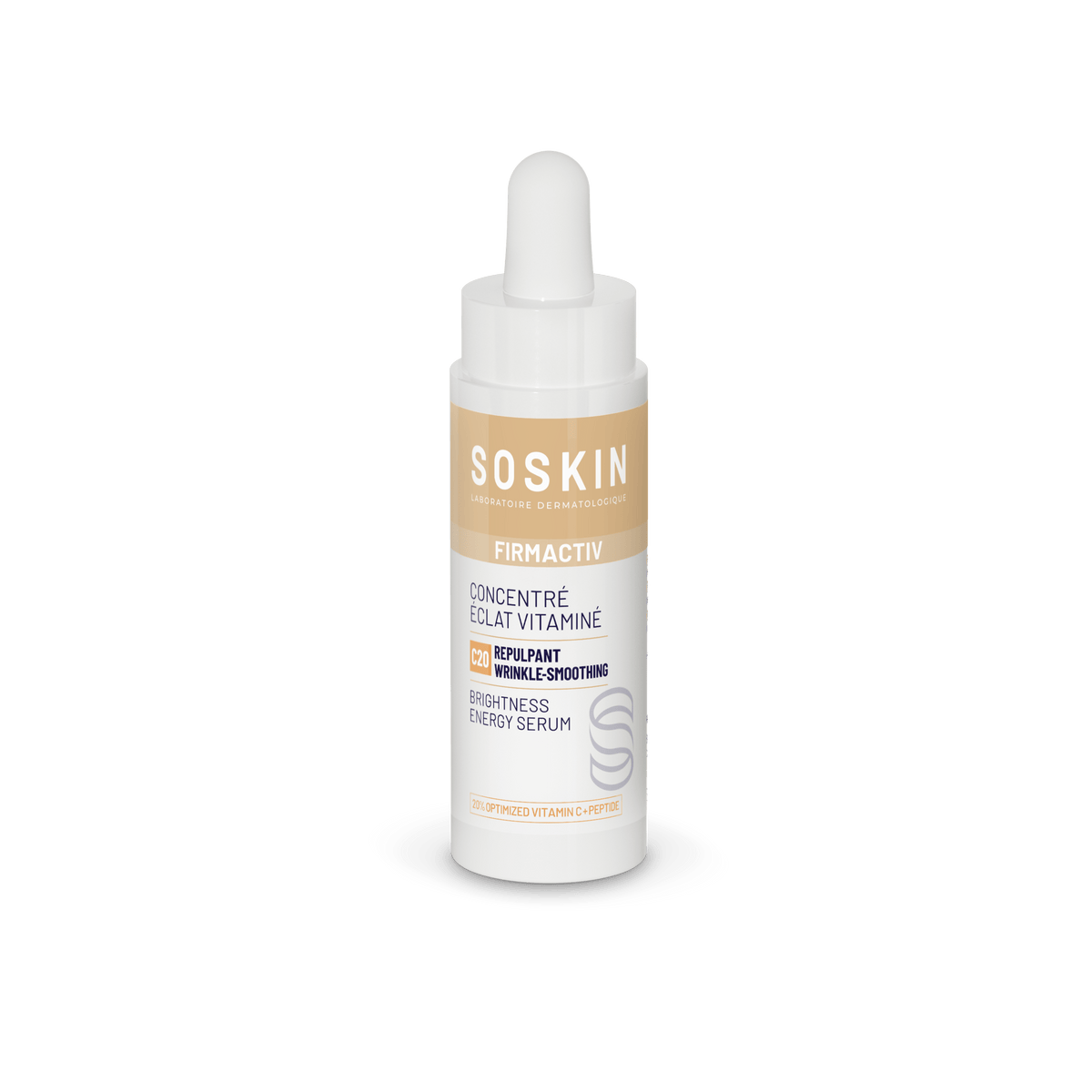
Vitamin C stimulates collagen synthesis while vitamin E Protects against oxidative stress. Carnosine traps sugar before it reacts with skin proteins. Zinc supports skin regeneration and neutralizes free radicals. Green tea polyphenols reduce sugar-related damage.
Adopt a protective lifestyle
Physical activity improves insulin sensitivity and stabilizes blood sugar levels. Avoid smoking which increases skin glycation. Limit alcohol whose byproducts promote glycation. Constant hydration helps eliminate glycating compounds.
Glycation accelerates skin aging, but you can slow this process effectively. We showed you how sugars stiffen collagen and cause wrinkles and sagging. In reality, your daily food choices largely determine the condition of your skin. Favor foods with a low glycemic index, gentle cooking and natural antioxidants. These simple adjustments protect your youthfulness over the long term without requiring expensive treatments.