

Black knee is a common cosmetic concern that affects many people. This hyperpigmentation occurs because the skin on the knees is naturally thicker and contains more melanin-rich cells. Additionally, the knees have fewer oil glands than the rest of the body, making them drier and vulnerable to darkening. Daily friction, lack of hydration and exposure to UV rays in particular aggravate this phenomenon. Fortunately, solutions exist. In this article, we explore the causes of dry, black knee, share effective natural remedies, and introduce professional dermatology treatments to answer the black knee question what to do.
The main causes of black knee
Daily friction and hyperkeratosis: Repeated contact with clothing is one of the main causes of black knee. Every movement we make creates friction between our knees and our jeans, pants or tights. This constant pressure stimulates the production of additional skin cells as a natural protective mechanism. When we kneel to pray, clean, garden, or play certain sports, we exert pressure that causes the skin to thicken. This phenomenon is called hyperkeratosis, an excessive proliferation of keratinocytes in the superficial layer of the epidermis. The skin thus thickens to protect itself from repeated mechanical attacks.
Lack of natural hydration: The knees do not have enough sebaceous glands compared to the rest of the body. These glands normally produce sebum which forms the skin's protective hydrolipidic film. Without this natural protection, knees dry out quickly and become vulnerable to dehydration. Dry skin appears duller and takes on a darker appearance. Furthermore, dehydrated skin accumulates more dead cells, which worsens the darkened appearance of the area.
The accumulation of dead cells: As joints, the knees have thick skin that forms folds. These folds create cracks where impurities and dead cells loaded with melanin accumulate. Every time we bend our knees, we stimulate the production of new skin cells. These cells gradually pile up and form a dull layer that darkens the appearance of the skin.
Sun exposure and hyperpigmentation: Ultraviolet rays stimulate the production of melanin as a skin defense mechanism. We often forget to apply sun protection on our knees during exhibitions. This neglect leads to progressive hyperpigmentation, especially in people who spend a lot of time outdoors. UV rays promote irregular production of melanin, which causes the appearance of browned areas.
Genetic factors and skin type: The tendency to develop black knee may be hereditary. If our parents or family members have dark knees, we are more likely to develop this phenomenon. People with naturally dark skin produce more melanin and are at increased risk of hyperpigmentation. Certain conditions like eczema and psoriasis also contribute to this phenomenon through post-inflammatory inflammation.
Natural Remedies to Lighten Black Knees
Exfoliation with sugar and olive oil: We can prepare an effective scrub by mixing one tablespoon of olive oil with two tablespoons of sugar. This combination helps exfoliate the skin while deeply nourishing it. Let's apply this mixture to damp knees using circular movements, paying particular attention to rough areas. Sugar removes dead cells while olive oil MOISTURISES and Protects against external aggression. Repeat this exfoliation once or twice a week for visible results.
Lemon as a lightening agent: Lemon contains citric acid which acts as a natural lightening agent. Let's apply the juice of half a lemon on our knees for 20 minutes before rinsing. However, this citrus fruit presents risks: its acidity can cause irritation and tightness. Furthermore, lemon is photosensitizing and can cause adverse effects if we apply it before sun exposure. Let's dilute it with an equal amount of water to limit irritation, and use it only in the evening.
Baking soda for thick skin: Baking soda exfoliates and lightens the epidermis. Let's mix a tablespoon of baking soda with milk to form a paste. Let's massage the area in circular motions for 2-3 minutes, then rinse with lukewarm water. However, this product can strip and dry out the skin. Better to abstain if we have sensitive skin. Repeat this treatment every other day maximum.
Natural oils for hydration: Let's heat some olive or coconut oil and apply it on our knees in the evening before bed. These oils penetrate deep into the epidermis and restore the natural protective barrier. Let's repeat this application three times a week to obtain more supple and uniform skin.
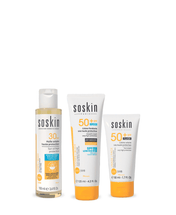
Daily sun protection: Let's apply broad-spectrum sun protection with an SPF of at least 30 on our knees daily. UV rays worsen hyperpigmentation and stimulate irregular melanin production. This protection remains necessary even on cloudy days to prevent the appearance of new brown spots.
Dermatological treatments for black knees
Lactic acid and urea: When natural methods are not enough to treat black knee, we can turn to proven dermatological active ingredients. Lactic acid and urea are among the solutions most recommended by dermatologists. A treatment based on 12% lactic acid or urea cream applied for 3 to 6 months is at least partially effective in reducing pigmentation. Lactic acid has a larger molecule than other acids, giving it slow penetration and high tolerance. Unlike other acids, it maintains hydration while exfoliating. These substances soften thickened, dark skin, promoting a smoother texture Smooths and an even complexion.
Alpha-hydroxy acids (AHA): AHAs, notably glycolic acid, eliminate dead cells loaded with melanin. They penetrate the stratum corneum and promote desquamation, revealing lighter skin. Glycolic acid has the smallest molecules among AHAs, which allows it to penetrate deep into the epidermis. However, dermatologists recommend starting with low concentrations because AHAs increase sensitivity to the sun.
Professional lightening active ingredients: Dermatologists also recommend retinol to renew skin cells and deeply hydrate it. Polyhydroxy acids (PHAs) stimulate skin renewal and remove dead cells.
Intensive hydration with ceramides: Let's apply a ceramide-based moisturizer 3 to 4 times a week on our knees. Ceramides reduce hyperpigmentation in the long term and promote cell renewal. They strengthen the skin barrier, which remains fundamental for treating dry, black knees in the long term.

Meladerm® SOSKIN range
Our range specially designed to illuminate and even out the complexion. Gentle and effective products to reveal the natural radiance of your skin. Composed of carefully selected ingredients for a luminous and even complexion, while respecting the most sensitive skin.
👉 Discover
Complete routine to prevent and treat dry, black knees
Establish a regular exfoliation routine: Let's exfoliate our knees once or twice a week to eliminate dead cells loaded with melanin. Let's choose a gentle exfoliating treatment containing lactic or salicylic acid. Let's carry out this exfoliation in the shower with lukewarm water, limiting the duration to 10 minutes maximum. Prolonged hot showers dehydrate the skin and worsen dryness.
Apply appropriate moisturizers: Let's apply a moisturizer daily containing ceramides, hyaluronic acid and glycerin. These humectants attract moisture to the surface of the skin. Let's reapply our moisturizer several times a day, especially during the winter months. In the evening, layer on an occlusive ointment to seal in hydration. Always apply our cream to slightly damp skin after a shower for better effectiveness.
Protect your knees from friction: Wear protective clothing during cold months to avoid exposure to dry conditions. Choose soft, breathable fabrics that do not irritate the skin. Let's apply broad-spectrum sun protection with an SPF of at least 30 on our knees, because exfoliating products are photosensitizing.
Maintain consistency in care: Results appear after several weeks of constant use. Regularity remains the key to improving the appearance of our dry, black knees.
Sensitive areas, persistent stains: the SOSKIN solution
Armpits, groin, thighs, elbows, knees... these areas of friction are often neglected, even though they are particularly prone to pigment spots linked to friction, shaving or hair removal. The Lightening body milk of SOSKIN has been specifically formulated for these delicate areas: its non-greasy and high tolerance texture soothes, MOISTURISES lastingly and evens out the complexion, while blurring existing spots and limiting their reappearance.
Result: comfortable, even skin, even in the areas most exposed to irritation.
👉 Discover SOSKIN Lightening Body Milk — 29€ | 150ml
Black knee represents a common aesthetic concern, but solutions exist. We now have accessible natural remedies and proven dermatological treatments to lighten this area. The key to success lies in consistency: a routine combining gentle exfoliation, daily hydration and sun protection gives visible results after several weeks. Let's choose the methods adapted to our skin type and remain patient to find uniform and radiant knees.